

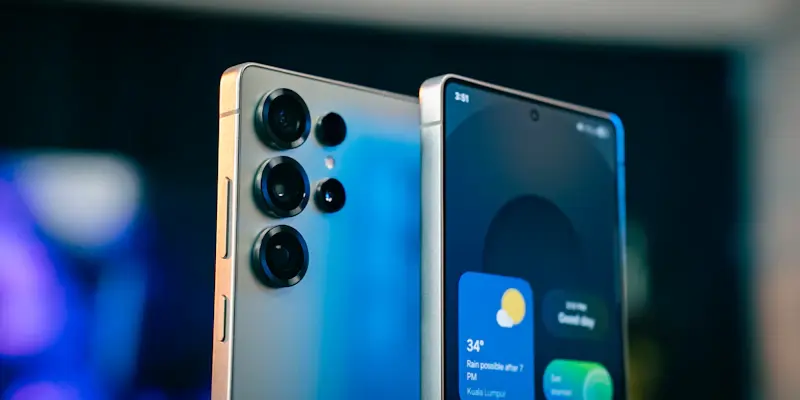
Samsung continues to push the boundaries of mobile photography with its upcoming Galaxy S26 Ultra, anticipated to bring significant camera upgrades to the flagship smartphone series. Over the years, Samsung has consistently introduced new camera sensors to each iteration of the Galaxy S Ultra, improving its devices’ imaging capabilities with every release. Known for its commitment to enhancing camera technology, Samsung aims to provide users with superior imaging performance, further bolstering its position in the high-end smartphone market.
Anticipated Changes in Camera Technology
A major highlight of the Galaxy S26 Ultra is the potential replacement of the 10 MP, 3x telephoto camera that has been a staple since the Galaxy S22 Ultra. This change, as hinted by leaker PandaFlashPro, could allow room for a new, unspecified sensor to elevate the device’s camera capabilities further. Historically, Samsung has demonstrated a pattern of iterative enhancements to its camera systems, such as replacing the 12 MP ultra-wide-angle camera in the Galaxy S25 Ultra with a 50 MP sensor. This consistent upgrade strategy underscores Samsung’s dedication to innovation in mobile photography. The rumored inclusion of the ISOCELL JN5 sensor, showcased by Samsung previously, points towards its potential use in the Galaxy S26 Ultra. The ISOCELL JN5 has been recognized for its versatility in ultra-wide-angle or telephoto configurations. If adopted, this sensor could offer enhanced performance, reinforcing Samsung’s pursuit of camera excellence. The expected continuity of the 200 MP primary and 50 MP 5x telephoto cameras further emphasizes Samsung’s focus on maintaining high-quality imaging standards across its flagship models.
Impact on the High-End Smartphone Market
Samsung is set to redefine mobile photography with the launch of its upcoming Galaxy S26 Ultra. This highly anticipated release is expected to introduce significant enhancements to the camera system, continuing Samsung’s tradition of elevating the photography experiences of its devices. Historically, each new model in the Galaxy S Ultra series has boasted improved camera sensors and capabilities, and the S26 Ultra appears to be no exception. Samsung’s unwavering commitment to advancing camera technology ensures users receive top-notch imaging performance. This dedication to innovation solidifies Samsung’s stronghold in the premium smartphone market. The Galaxy S26 Ultra is expected to feature cutting-edge camera advancements that will appeal to both photography enthusiasts and everyday users seeking superior image quality.
By continuously pushing the boundaries of what smartphone cameras can achieve, Samsung not only meets but often exceeds the high expectations of its customer base. The Galaxy S26 Ultra promises to be another milestone in Samsung’s ongoing quest to lead in smartphone photography.