

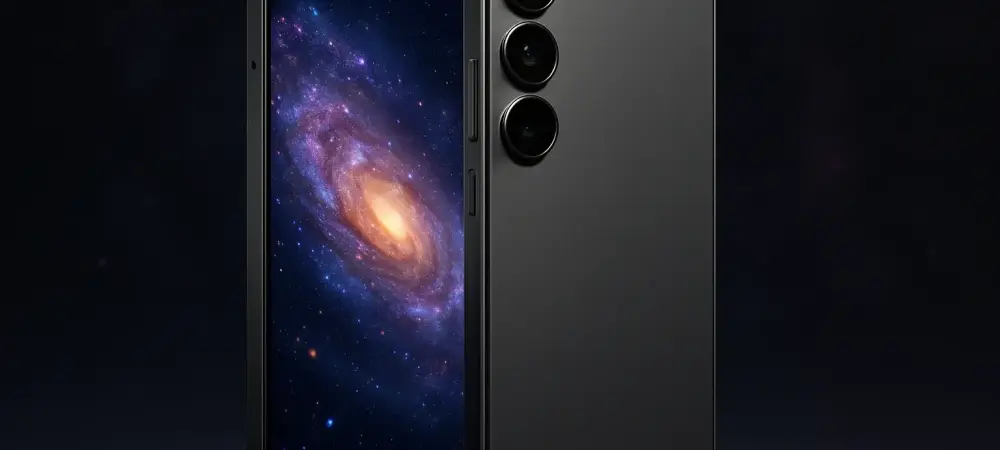
In a smartphone market where raw power and cutting-edge technology define the winners, Samsung is poised to make a seismic impact with its Galaxy S26 series, a device that doesn’t just keep up with industry giants like Apple and Qualcomm but surges ahead with unprecedented speed and AI capabilities. Leaks and insider buzz point to the Exynos 2600 chipset as the heart of this revolution, promising to redefine what a flagship phone can achieve. Tech enthusiasts are already abuzz, and the stakes couldn’t be higher for Samsung to deliver a game-changer.
The importance of this development lies in Samsung’s bold bid to reclaim its edge in a fiercely competitive landscape. For years, the company has toggled between its in-house Exynos chips and Qualcomm’s Snapdragon processors, often facing criticism for inconsistent performance. With the Galaxy S26 series, the rumored Exynos 2600 isn’t just a new chip; it’s a declaration of intent to challenge the status quo. This series could mark a turning point, blending innovation with strategic market moves to captivate consumers worldwide.
Why the Exynos 2600 Is Creating Waves for the Galaxy S26 Lineup
The tech community is electric with anticipation over the Exynos 2600, set to power the Galaxy S26 series. Rumors suggest this chipset could outstrip competitors with staggering performance metrics, including a Neural Processing Unit (NPU) reportedly six times faster than Apple’s A19 Pro and 30% quicker than Qualcomm’s Snapdragon 8 Elite Gen 5. If these leaks hold true, Samsung might be on the verge of setting a new benchmark for smartphone capabilities.
Beyond raw numbers, the excitement stems from what this chip could mean for everyday users. Enhanced AI processing could transform features like real-time language translation or on-device photo editing, while superior graphics power might elevate mobile gaming to console-like levels. Industry insiders are already hinting at a paradigm shift, with leaker Ice Universe calling it “a monumental step” for Samsung’s chipset legacy.
This buzz isn’t just hype; it’s rooted in Samsung’s need to prove itself. After years of mixed reviews on Exynos performance compared to Snapdragon, the company appears ready to silence doubters. The Galaxy S26 series, potentially equipped with this powerhouse across multiple models, could be the catalyst for a redefined perception of Samsung’s technological prowess.
Samsung’s Chipset Strategy: A High-Stakes Return to Dominance
Samsung’s approach to chipsets for the Galaxy S26 series reflects a critical moment in its ongoing rivalry with Apple and Qualcomm. Historically, the balance between Exynos and Snapdragon processors has been a point of contention, with some markets receiving devices perceived as less powerful due to chipset variations. Now, the Exynos 2600 signals an aggressive push to level the playing field and assert leadership.
This move is particularly significant given the annual advancements from competitors. Apple’s consistent strides in silicon design and Qualcomm’s dominance in premium Android devices have kept Samsung on its toes. By introducing a chip rumored to boast a 14% boost in multi-core CPU performance and GPU speeds up to 75% faster than Apple’s flagship, Samsung aims to not just compete but dominate the conversation around performance.
The stakes extend beyond tech specs to consumer trust. A successful rollout of the Exynos 2600 could restore confidence in Samsung’s in-house technology, especially in regions where Exynos has lagged in perception. This chipset strategy is less about incremental gains and more about a bold statement that Samsung is back in the driver’s seat of innovation.
Unpacking the Exynos 2600: Specs and Regional Deployment Details
Diving into the specifics, the Exynos 2600 is shaping up to be a technical marvel for the Galaxy S26 series. Leaked data from sources like @Jukanlosreve highlights jaw-dropping potential: alongside the NPU and GPU advantages, multi-core CPU performance could outpace rivals by a notable margin. These figures suggest a chip designed to handle everything from intensive multitasking to next-gen augmented reality applications.
Samsung’s rollout plan adds another layer of intrigue. Reports indicate a 50/50 split between Exynos and Snapdragon chips across global markets, with the US, China, and Japan likely receiving Snapdragon 8 Elite Gen 5 variants, while Korea and Europe are slated for the Exynos 2600. This dual strategy ensures broad appeal, balancing proven reliability with cutting-edge innovation based on regional preferences.
Manufacturing also plays a pivotal role. Samsung’s foundries are set to produce both chipsets using a state-of-the-art 2nm process, meaning even Snapdragon-powered devices might bear Samsung’s production signature. Meanwhile, model names like S26, S26+, and S26 Ultra remain fluid, reflecting internal deliberations as the launch nears. This dynamic approach underscores Samsung’s adaptability in crafting a lineup tailored for diverse audiences.
Expert Insights on the Exynos 2600’s Potential Impact
Voices from the tech sphere are amplifying the hype around the Exynos 2600. Renowned leaker Ice Universe has labeled it “a significant leap,” particularly for AI-driven tasks and graphics rendering, hinting at a chip that could rival or exceed industry standards. Other analysts speculate that Samsung is positioning itself to close long-standing gaps with competitors through this ambitious release.
These early opinions carry weight when viewed alongside Samsung’s chipset history. Past Exynos iterations faced criticism for thermal management and efficiency compared to Snapdragon counterparts, but the rumored advancements in the 2600 suggest a focused effort to address such concerns. If successful, this could translate to smoother user experiences, from faster app launches to lag-free video editing on the go.
The consensus among insiders points to calculated risk-taking. While concrete data remains under wraps until official benchmarks emerge, the narrative is clear: Samsung is betting big on the Exynos 2600 to redefine its flagship identity. This alignment with past strategic rollouts indicates a thoughtful push toward innovation that could resonate deeply with tech-savvy consumers.
Regional Chipset Choices: What Galaxy S26 Buyers Need to Know
For potential buyers, Samsung’s dual-chip strategy with the Galaxy S26 series introduces key considerations. Those in Snapdragon markets like the US can expect Qualcomm’s trusted performance, ideal for users prioritizing consistency. Conversely, in Exynos regions such as Europe and Korea, the 2600 promises groundbreaking AI and graphics capabilities that could elevate daily smartphone interactions.
Navigating this split requires attention to regional availability as the launch approaches. Checking Samsung’s official announcements or local carrier details will clarify which chipset powers devices in specific markets. For enthusiasts eager to compare, early post-launch benchmarks will be crucial in assessing whether the Exynos 2600 truly delivers on its rumored superiority over Snapdragon variants.
Model naming adds another variable, with terms like S26 Pro potentially shifting to simpler designations. Staying updated on official reveals will help ensure buyers target the right device in this lineup. Whether prioritizing raw power or proven stability, understanding these regional and model nuances will guide informed purchasing decisions as Samsung rolls out its latest flagship series.
Reflecting on a Bold Chapter for Samsung
Looking back, Samsung’s journey with the Galaxy S26 series and the Exynos 2600 marks a daring chapter in its pursuit of technological leadership. The chipset’s rumored capabilities have sparked intense curiosity, setting a high bar for what flagship devices could achieve. The strategic balance of Exynos and Snapdragon across regions showcases a nuanced approach to meeting global demands.
As discussions unfold, it becomes evident that Samsung aims to address past critiques while pushing boundaries in AI and performance. For those who follow the rollout, the next steps are clear: monitor real-world performance reviews to validate the hype. Comparing user feedback across chipset variants offers a practical way to gauge the series’ impact.
Moving forward, the legacy of this release prompts a broader consideration of innovation in the smartphone arena. Samsung’s efforts encourage a closer look at how regional strategies and manufacturing advancements could shape future devices. Keeping an eye on the company’s evolving chipset plans remains essential for anyone invested in the cutting edge of mobile technology.