

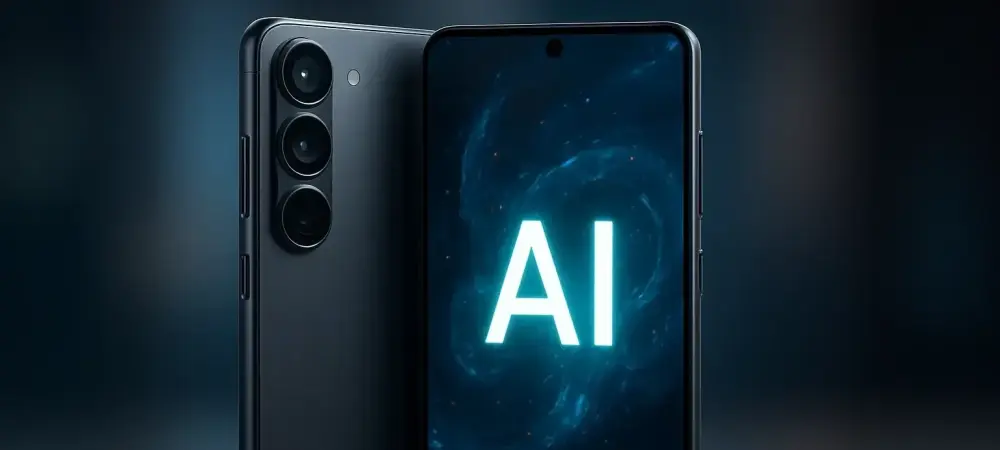
As the smartphone industry continues to evolve at a breakneck pace, Samsung is gearing up to make a bold statement with its next flagship lineup, set to debut in early 2026, generating significant buzz not just for its anticipated hardware advancements but for a strategic pivot toward artificial intelligence as a core feature. Rumors and official hints suggest that the Galaxy Unpacked event, slated for February 25, 2026, will serve as the stage for unveiling the Galaxy S26, S26+, and S26 Ultra models. This event is expected to mark a turning point for Samsung, emphasizing AI-driven innovations that could redefine how users interact with their devices. Beyond the cutting-edge specs, the choice of venue and timing reflects a deliberate effort to position Samsung at the forefront of tech trends. With AI becoming a cornerstone of modern technology, anticipation is building around how these devices might integrate intelligent features to enhance functionality and user experience.
A Strategic Event in a Tech Hub
The decision to host the Galaxy Unpacked event in San Francisco on February 25, 2026, speaks volumes about Samsung’s intentions for the S26 series. This city, widely recognized as a global hub for technological innovation, particularly in artificial intelligence, provides an ideal backdrop for showcasing what could be a transformative lineup of smartphones. Hosting a major event in this location for the first time in three years underscores Samsung’s focus on aligning with the AI revolution. A company official described the city as the perfect setting to highlight advancements in this field, hinting at groundbreaking features that may debut with these devices. This move also signals to competitors and consumers alike that Samsung is serious about leading the charge in integrating sophisticated AI capabilities into everyday technology, potentially setting a new standard for what smartphones can achieve in terms of personalization and efficiency.
Beyond the symbolic choice of location, preparations for the event reveal a meticulously planned rollout. Samsung has reportedly been working on this launch for months, ensuring that every detail aligns with its vision of blending cutting-edge hardware with intelligent software solutions. The shift in timing from the typical late January or early February window to late February suggests adjustments in the product lineup and a desire to perfect the integration of new technologies. Speculation points to features like an AI-enabled privacy screen on the S26 Ultra, which could offer users unprecedented control over their device’s visibility. Such innovations, if realized, would not only enhance security but also demonstrate how AI can be woven into practical, user-focused applications. As the event approaches, the tech community is keenly watching to see how Samsung balances these ambitious goals with the high expectations of its global audience.
Cutting-Edge Hardware on the Horizon
Turning to the technical prowess of the Galaxy S26 series, expectations are sky-high for what Samsung will deliver in terms of hardware. The lineup, comprising the S26, S26+, and S26 Ultra, is anticipated to be powered by either the proprietary Exynos 2600 chip, built on a 2nm process, or Qualcomm’s 3nm Snapdragon 8 Elite Gen 5 SoC, depending on regional markets. This dual-chip strategy highlights Samsung’s commitment to optimizing performance across diverse user bases. The S26 Ultra, in particular, is rumored to boast a 6.9-inch Quad HD M14 OLED display, paired with a robust 5,400mAh battery for extended usage. Its quad-camera system is expected to feature a 200-megapixel primary sensor, an advanced ultrawide lens, a 50-megapixel telephoto with 5X optical zoom, and a secondary telephoto option ranging between 12 and 50 megapixels, promising unparalleled photographic capabilities for flagship enthusiasts.
Meanwhile, the standard S26 and S26+ models are not to be overlooked, with specs that cater to a wide range of consumers. The S26 is slated to feature a 6.3-inch Quad HD M14 OLED display, while the S26+ will offer a slightly larger 6.7-inch screen of the same quality. Both devices are expected to come equipped with triple-camera setups, including a 50-megapixel main sensor, a 50-megapixel ultrawide, and a 12-megapixel 3X telephoto lens, ensuring high-quality imaging across various scenarios. Battery capacities are also impressive, with the S26 housing a 4,300mAh unit and the S26+ stepping up to 4,900mAh, designed to support heavy usage without frequent recharges. These specifications suggest that Samsung is not merely iterating on past designs but pushing boundaries to deliver devices that meet the demands of modern users, from casual smartphone owners to tech-savvy professionals seeking top-tier performance.
AI as the Future of Smartphones
Samsung’s emphasis on artificial intelligence with the S26 series aligns with a broader industry trend toward enhancing user experiences through smart, adaptive features. The decision to spotlight AI at the 2026 Galaxy Unpacked event reflects a recognition that consumers increasingly value devices that anticipate needs and streamline interactions. While specific details remain under wraps, rumors of AI-driven functionalities—such as advanced privacy controls and personalized user interfaces—hint at a future where smartphones are not just tools but intuitive companions. This focus could position Samsung as a frontrunner in a competitive market where differentiation through software innovation is becoming as critical as hardware advancements. The choice of San Francisco as the launch venue further reinforces this narrative, tying the S26 series to the epicenter of AI development and signaling a bold step into uncharted territory for mobile technology.
Additionally, Samsung’s strategic decisions surrounding the S26 lineup reveal a pragmatic approach to market dynamics. Reports indicate that earlier plans to rebrand models, such as introducing an S26 Pro or S26 Edge, were scrapped following lackluster sales of similar variants in previous releases. This adaptability showcases a willingness to pivot based on consumer feedback, ensuring that the focus remains on delivering value through meaningful innovation rather than unnecessary fragmentation. As AI becomes a defining feature of the S26 series, it will be fascinating to see how Samsung balances these intelligent enhancements with the powerful hardware that has long been a hallmark of its flagship devices. The tech world awaits to witness whether this blend of AI and cutting-edge specs will resonate with users, potentially setting a new benchmark for what smartphones can achieve in enhancing daily life.
Reflecting on a Milestone Moment
Looking back, the launch of the Galaxy S26 series in February 2026 emerged as a defining moment for Samsung, blending hardware excellence with a visionary embrace of artificial intelligence. The event in San Francisco captured global attention, not just for the impressive specifications of the S26, S26+, and S26 Ultra, but for the bold steps taken to integrate AI into the core of smartphone functionality. As the dust settled, it became clear that Samsung had aimed to reshape user expectations, offering a glimpse into a future where technology seamlessly adapted to individual needs. Moving forward, the challenge lies in sustaining this momentum—ensuring that future iterations build on these AI foundations while addressing evolving consumer demands. Industry watchers are encouraged to keep an eye on how Samsung refines these innovations, potentially collaborating with AI pioneers to further enhance device capabilities, setting the stage for even more transformative advancements in the years ahead.