

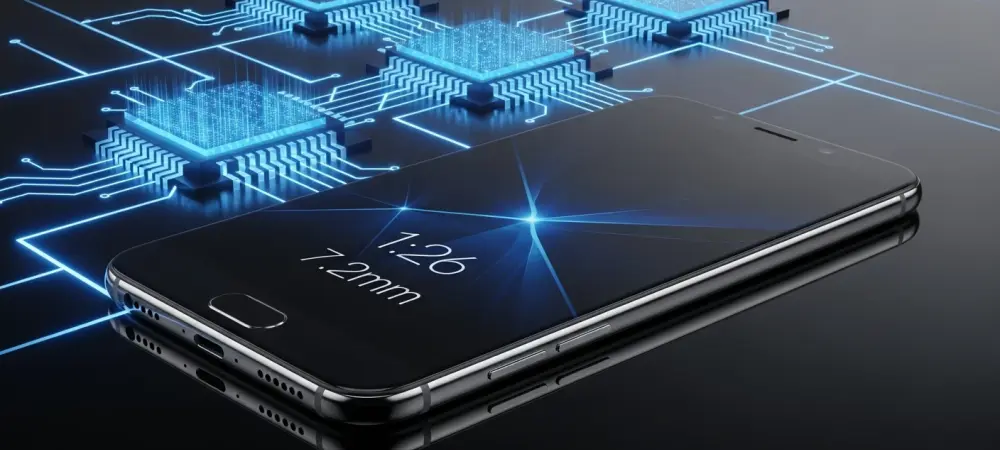
The recent unveiling of the Samsung Galaxy S26 at the Galaxy Unpacked event marks a definitive shift toward prioritizing high-density efficiency within the increasingly competitive compact smartphone market. This model signifies a strategic move to satisfy users who demand professional-grade power without the ergonomic burden of oversized hardware. By refining the internal layout, the manufacturer has managed to bridge the gap between portable convenience and performance.
Evolution of the Compact Flagship: Samsung’s Strategic Pivot
The S26 serves as a direct response to a market saturated with large devices that often alienate users seeking portability. This pivot emphasizes that true innovation lies in miniaturizing complex components while maintaining high standards. It acknowledges that mobility is as vital as raw speed in the modern landscape.
Hardware Refinements and Internal Architecture
Next-Generation Processing Power: Exynos 2600 and Snapdragon 8 Elite Gen 5
The dual-chipset strategy utilizes a 3nm architecture to optimize thermal management and processing speed. This approach ensures the device handles intensive tasks efficiently, preventing the overheating issues common in smaller frames. Moreover, the architecture allows for a more responsive user experience during multitasking.
High-Density Battery Integration and Daily Endurance
Engineers integrated a 4,300 mAh battery, a 7.5% capacity increase, into a chassis only 7.2 mm thick. This achievement demonstrates a sophisticated mastery of internal volume. It allows for significantly longer usage windows without increasing the physical footprint or weight of the phone.
Latest Developments in Mobile Energy Management
Recent energy certifications highlight a 36% increase in battery life, driven by smarter power regulation. The industry is clearly shifting focus away from incremental hardware boosts toward maximizing immediate device uptime. This trend reflects a deeper understanding of how modern software consumes resources throughout the day.
Real-World Applications for Modern Mobile Users
The 167-gram weight provides a massive advantage for mobile journalism and remote productivity. A lighter device reduces physical strain during long sessions, making it an ideal tool for professionals on the move. Its slim profile ensures that it remains unobtrusive while still providing a flagship-level interface.
Technical Hurdles and Sustainability Challenges
Despite these gains, the reduction in charge cycles from 2,000 to 1,200 presents a significant hurdle for long-term durability. Balancing rapid daily performance with chemical longevity remains a primary challenge. This trade-off suggests that while the device is more capable daily, its total lifespan might be shorter than predecessors.
The Future of the Galaxy Ecosystem
Samsung is likely moving toward solid-state technology or even more advanced AI-driven power optimization in the coming years. Such developments will eventually dictate how the entire smartphone industry approaches the intersection of battery health and device thickness. Efficiency will likely remain the primary metric for success.
Final Assessment of the Samsung Galaxy S26
The S26 successfully redefined the expectations for compact devices by proving that size does not have to limit endurance. It positioned the brand as a leader in ergonomic design while the market adjusted to new standards of hardware longevity. Ultimately, the device provided a compelling blueprint for the next generation of portable technology.