

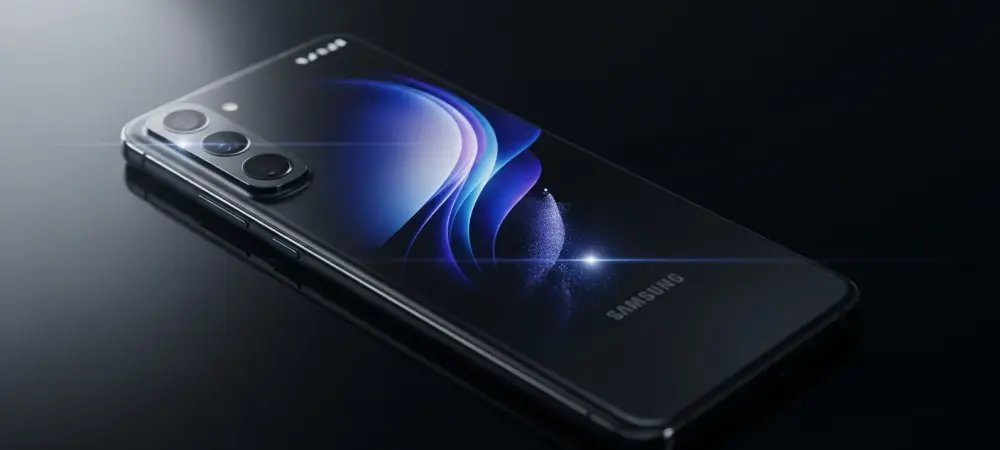
The sheer velocity of the mobile industry has reached a fever pitch as Samsung pulls the curtain back on a flagship lineup that feels less like an iteration and more like a definitive manifesto for the next decade of personal computing. This launch arrives at a crossroads where hardware limits are being tested by the insatiable demands of artificial intelligence and consumer expectations for “ultra” experiences. As the market reacts to these new benchmarks, it becomes clear that the distinction between a mere phone and a sophisticated digital companion has never been more pronounced.
Industry observers note that this specific release serves as a litmus test for brand loyalty in an environment where Google and OnePlus are making aggressive land grabs. The S26 series is not just fighting for shelf space; it is defending a legacy of premium dominance against rivals that have finally found their footing in the high-end segment. By integrating advanced privacy tech and generative tools, Samsung is attempting to redefine the value of a flagship beyond the traditional metrics of screen size and camera megapixels.
The Dawn of a New Flagship ErSetting the Stage for 2026
The current mobile landscape is defined by a shift toward specialized hardware that prioritizes user intent over raw specifications. As Samsung unveils its latest high-end devices, the emphasis has moved toward how a phone anticipates needs through integrated AI rather than just how fast it can process tasks. This strategic pivot marks a significant moment for the industry, as it forces competitors to either match Samsung’s software depth or double down on extreme hardware advantages. This particular launch represents a pivotal turning point because it addresses the growing fatigue among consumers who have grown weary of incremental annual updates. By introducing features like the ALoP periscope lens and privacy-centric displays, Samsung is signaling that the era of “good enough” is over. This move reshapes the power dynamics between major players, as Google and OnePlus must now justify their own premium pricing in a year where the bar for entry into the elite tier has been raised substantially.
Deciphering the Impact of the S26 Series on Global Consumer Trends
The Ultra Supremacy and the Surge in Premium Pre-Order Momentum
A remarkable 25% increase in U.S. pre-orders for the S26 series suggests that the appetite for elite-tier hardware is far from saturated. Consumers are increasingly willing to invest in the “Ultra” moniker, viewing it as a long-term tool rather than a disposable gadget. This surge is largely driven by the appeal of specialized tools like Generative Editing, which allows users to manipulate reality with professional precision, and the Privacy Display that protects sensitive data from prying eyes in public spaces.
Samsung’s promotional strategy has also evolved to match these shifting habits, moving away from simple storage bumps toward more flexible incentives. By offering significant gift card values for retailers like Amazon, the company is acknowledging that today’s buyer values ecosystem flexibility. This shift helps maintain the perceived value of the hardware while providing immediate utility to the consumer, a move that has proven highly effective in securing early adoption numbers.
Engineering a Multi-Tiered Portfolio: Internal Rivalries and Hardware Disparities
The internal hierarchy of the S26 family highlights a growing hardware gap that creates a complex decision-making process for the buyer. While the Ultra remains a 200MP powerhouse with exclusive charging and display technologies, the S26+ occupies a challenging middle ground. Critics have pointed out that the lack of the “Ultra” feature set on a thousand-dollar device creates a tension that Samsung must navigate to avoid cannibalizing its own sales or driving users toward more specialized competitors.
In contrast, the standard S26 has seen a meaningful repositioning to better compete with the iPhone 17. The transition to a 256GB base storage and the inclusion of a larger 4,300mAh battery address long-standing complaints about the entry-level flagship’s longevity. These updates make the base model a more credible threat in the compact market, though the debate over price-to-performance ratios for the mid-tier S26+ continues to linger in tech circles.
The Value Equation: Exploring Legacy Hardware and Fan Edition Alternatives
For the budget-conscious enthusiast, the previous year’s S25+ remains a formidable alternative that challenges the necessity of the newest upgrade. With the technical gap between the Snapdragon 8 Elite Gen 5 and its predecessor being relatively narrow for daily tasks, the substantial cost savings make the older model a logical choice. This creates an interesting dynamic where Samsung’s own legacy hardware acts as the primary competitor for its mid-range sales.
The S25 FE further complicates this value equation by capturing the mid-range market with a price tag that is nearly half that of the new flagships. Despite relying on the Exynos 2400 chipset, it provides a “good enough” experience for the vast majority of users who do not require cutting-edge AI processing. Comparing these marginal gains against steep discounts reveals that for many, the prestige of the S26 launch is less attractive than the proven reliability of existing, discounted hardware.
External Disruptors: Google’s Pro-Small Strategy and OnePlus’s Battery Dominance
Google has executed a tactical masterstroke by offering “Pro” camera hardware in a smaller, more ergonomic chassis, a strategy that directly exploits Samsung’s tendency to gate-keep its best tech. The Pixel 10 Pro provides high-resolution telephoto and ultra-wide sensors in a frame that is much easier to handle than the massive Ultra. This approach appeals to a demographic that wants elite photography without the physical bulk of a traditional “max” sized device.
Meanwhile, OnePlus is challenging industry standards by focusing on sheer endurance and power. The OnePlus 15’s massive 7,300mAh battery dwarfs the capacities of its rivals, addressing the number one pain point for modern users: battery anxiety. When combined with superior 80W charging speeds and a more generous 16GB RAM standard, OnePlus positions itself as the choice for those who prioritize raw hardware capabilities over the refined software ecosystems of Samsung or Google.
Navigating the 2026 Upgrade Cycle: Strategic Takeaways for Consumers
Choosing a device in this hyper-competitive environment requires a careful balancing act between immediate hardware satisfaction and long-term software depth. Innovations like the ALoP periscope lens offer tangible benefits for mobile photography, but they come at a premium that might not be justifiable for everyone. Buyers should prioritize their specific daily needs—whether that is the ergonomic comfort of a Pixel or the relentless battery life of a OnePlus—rather than chasing the highest benchmark scores.
Actionable advice for the current cycle involves looking beyond the marketing hype to identify where the most impactful value resides. For those heavily invested in the Samsung ecosystem, the Ultra remains the definitive choice for longevity, but the base S26 has finally become a viable “no-compromise” small phone. Identifying the best entry point depends on how much one values the new AI-driven software features, which are increasingly becoming the primary reason to choose one brand over another.
Future-Proofing the Mobile Experience in a Changing Economy
The Samsung Galaxy S26 launch confirmed that software intelligence has officially overtaken raw hardware specs as the primary differentiator in the smartphone race. While processors and cameras continue to improve, the way a device manages data, protects privacy, and assists in creative tasks now defines the user experience. This shift forced a massive rethink of how mobile utility is measured, placing a premium on silicon that can handle complex on-device AI models without sacrificing battery life.
Aggressive hardware pushes from competitors ensured that Samsung could not remain stagnant, leading to a more diverse and capable market for everyone. The industry moved toward a future where “pro” features are no longer synonymous with “large,” and where battery technology finally began to catch up with the power demands of modern software. Ultimately, this cycle served as a catalyst for a more competitive decade, where the true winner was the consumer who gained access to unprecedented mobile power and utility.