

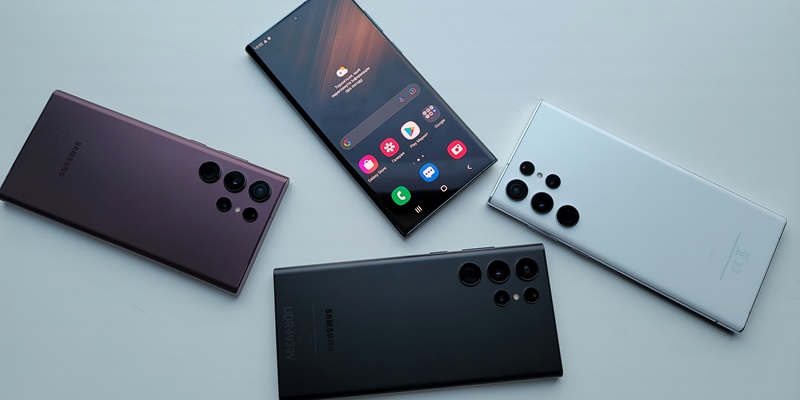
The highly anticipated Samsung Galaxy S25 Ultra, expected to succeed the Galaxy S24 Ultra, is shaping up to be a groundbreaking flagship smartphone, featuring notable enhancements that are likely to set it apart from its competitors. Based on information leaked by the reputable source Ice Universe, the Galaxy S25 Ultra promises substantial hardware upgrades and design improvements that position it strongly against upcoming devices like the Apple iPhone 16 Pro Max and the Google Pixel 9 Pro XL.
Significant Design Overhaul
A major highlight of the Galaxy S25 Ultra is its significant design overhaul, particularly its larger 6.86-inch display—an increase of 0.7 inches over its predecessor. Despite this bigger screen, the device is expected to be thinner and lighter than both the forthcoming iPhone 16 Pro Max and the Pixel 9 Pro XL. Reports suggest that the Galaxy S25 Ultra will weigh less than the Galaxy S24 Ultra and other premium competing devices, with a weight reduction of around 5% or more. Additionally, the S25 Ultra will be slimmer, potentially measuring less than 8.3 mm in thickness, marking a reduction of approximately 0.3 to 0.4 mm compared to the Galaxy S24 Ultra.
Industry Trends and User Experience
The overarching trend in the flagship smartphone industry focuses on refined, user-friendly designs. Samsung appears committed not only to enhancing the display but also to improving the overall usability by reducing the device’s bulkiness. This commitment aligns with a broader industry goal of creating powerful yet comfortable-to-handle premium devices. By balancing advanced features with optimal physical ergonomics, Samsung aims to set its Ultra brand apart through material engineering and innovative design.
Strategic Market Positioning
The expected January 2025 launch of the Galaxy S25 series—including the base S25 and the S25 Plus variants—highlights Samsung’s intent to establish a strong market presence early in the year. This strategic timing allows Samsung to capture consumer interest and gain a competitive advantage in the flagship smartphone market. By introducing the Galaxy S25 Ultra early, Samsung is likely aiming to influence the purchasing decisions of consumers who are eagerly anticipating new smartphone releases.
Conclusion
The eagerly awaited Samsung Galaxy S25 Ultra is poised to succeed the Galaxy S24 Ultra and is shaping up to be a groundbreaking flagship smartphone. Notable for its significant enhancements, this device is expected to distinguish itself from its competitors. Leaks from the reputable source Ice Universe indicate that the Galaxy S25 Ultra will feature substantial hardware upgrades and design improvements that will give it a competitive edge. These advancements position the S25 Ultra strongly against other high-end devices such as the Apple iPhone 16 Pro Max and the Google Pixel 9 Pro XL.
In addition to upgraded hardware, the Galaxy S25 Ultra is rumored to introduce new software features that enhance user experience and functionality. The camera system is expected to see major improvements, possibly featuring higher-resolution sensors and advanced AI capabilities, ensuring users can capture stunning photos and videos in any condition.
Moreover, advancements in battery technology could lead to longer battery life, equipping users to go through their day without needing frequent recharges. With these anticipated enhancements, the Samsung Galaxy S25 Ultra aims to set a new standard for flagship smartphones, making it a serious contender in the high-end market.