

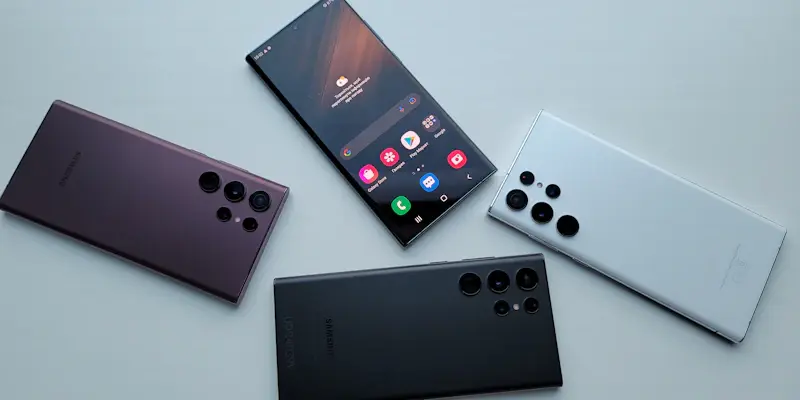
The Samsung Galaxy S25 Slim is stirring discussions across the tech community as speculation arises about its potential exclusion from the US market upon its anticipated launch. The leaks suggest that the S25 Slim will be available in around 39 international markets but will bypass the US, the third-largest smartphone market globally, after India and China. This notable exclusion, if materialized, hints at strategic decisions taken by Samsung influenced by economic and geopolitical factors. Sources such as the reliable tipster Evan Blass, along with corroboration from historically accurate reports cited by Phone Arena, underline this unexpected turn of events.
The Samsung Galaxy S25 Slim exclusion from the US market would follow a pattern seen with previous launches, such as the Samsung Galaxy Z Fold 6 Slim. The Z Fold 6 Slim, which was later branded as the Z Fold 6 SE, was also confined to the South Korean and Chinese markets. This selective market targeting approach suggests a cautious yet strategic move by Samsung. In light of these exclusions, one plausible reason presented is that potential US tariffs, which could be resulting from policies under President Trump’s administration, may make it economically unfeasible for Samsung to release the device in the US initially. This calculated hesitation indicates how manufacturers are modifying their market strategies to adapt to the ever-changing economic and geopolitical landscapes.
Impact of Tariffs and Economic Factors
The impending US policies and their resultant tariffs on goods manufactured in China or other specified regions might be a critical factor influencing Samsung’s decision concerning the Galaxy S25 Slim. If most of the S25 Slim’s production is based in areas facing new tariffs, launching the device in the US could become financially impractical. The overarching trend points out that manufacturers, including Samsung, are increasingly wary of geopolitical tensions and economic constraints, which significantly shape their marketing and distribution strategies. This preemptive caution could be seen as an overarching trend of manufacturers adjusting market strategies in response to the global economic climate.
Furthermore, as speculated by industry analysts, Samsung might be opting for a selective launch to gauge market reception and mitigate potential financial risks. This approach not only reflects a responsive strategy to current economic conditions but also underscores the broader uncertainty prevalent in the global market. The economic contingencies, largely shaped by tariff regulations and trade policies, appear to play a pivotal role in the market dynamics affecting the availability of high-end technology products. Therefore, the potential exclusion of the Galaxy S25 Slim from one of the most important tech markets underscores the influence of macroeconomic factors on company strategies.
Rebranding Strategy and Market Positioning
Another intriguing aspect of the topic is the potential rebranding strategy that Samsung might employ with the Galaxy S25 Slim. Drawing parallels from previous practices, Samsung might adopt a rebranding approach to align the product with broader market expectations. For instance, the Z Fold 6 Slim, which later emerged as the Z Fold 6 SE, demonstrated Samsung’s intent to convey a more powerful image, potentially equipped with superior hardware. Such tactics could be seen as a way to boost market positioning and differentiate the product from its predecessors.
In connection with this potential rebranding, rumor mills suggest the Galaxy S25 Slim might feature significant hardware upgrades, such as a leap from a 50MP to a 200MP main camera. These enhancements, aimed at adding value beyond just a slim design, could redefine consumer expectations and amplify Samsung’s competitive edge in the market. However, despite these promising upgrades, the anticipated absence of the S25 Slim from the US market might temper consumer excitement. Without a clear indication from Samsung regarding changes to its current release strategy, US consumers might need to adjust their expectations in terms of accessing the latest offerings.
Industry experts believe that Samsung’s selective approach in terms of product launch and potential rebranding is a strategic maneuver designed to mitigate market risks. This selective releasing pattern, when combined with economic and political considerations, provides a comprehensive narrative on how companies like Samsung navigate complex global markets. Ultimately, while the Samsung Galaxy S25 Slim promises an array of high-end features, its release strategy indicates a cautious, well-calculated move amid broader economic and political uncertainties.
Conclusion: Future Market Strategies
The Samsung Galaxy S25 Slim is generating buzz in the tech world with speculation that it might not hit the US market upon launch. Leaks indicate the S25 Slim will be sold in around 39 international markets but will skip the US, the world’s third-largest smartphone market after India and China. This exclusion, if confirmed, suggests strategic decisions by Samsung driven by economic and geopolitical considerations. Trusted sources like tipster Evan Blass and historically accurate reports from Phone Arena underscore this surprising development.
This exclusion mirrors previous launches, such as the Samsung Galaxy Z Fold 6 Slim. The Z Fold 6 Slim, renamed the Z Fold 6 SE, was only available in South Korea and China. Such selective targeting hints at strategic planning by Samsung. A plausible reason for the S25 Slim’s exclusion is potential US tariffs, likely stemming from policies during President Trump’s administration, making it financially impractical for Samsung to release the device in the US initially. This careful hesitation highlights how manufacturers are adjusting their market strategies in response to the evolving economic and geopolitical environment.