

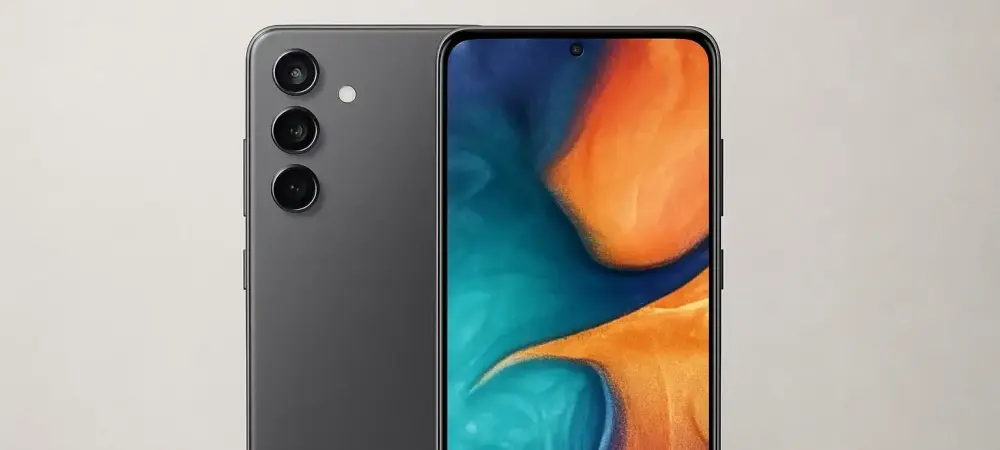
I’m thrilled to sit down with Dominic Jainy, an IT professional with deep expertise in cutting-edge technologies like artificial intelligence, machine learning, and blockchain. With his keen interest in how tech innovations shape industries, Dominic is the perfect person to dive into the latest leaks and rumors surrounding the Samsung Galaxy S25 FE. Today, we’ll explore everything from its anticipated launch timeline and pricing to its design, specs, and how it fits into the competitive smartphone landscape.
What can you tell us about the rumored launch date for the Samsung Galaxy S25 FE in South Korea?
I’ve come across reports pointing to September 19 as the expected launch date in South Korea. While I can’t confirm this directly as it’s still a leak, it aligns with Samsung’s typical timeline for Fan Edition releases. Compared to the Galaxy S24 FE, which debuted around the same time in 2024, this date suggests Samsung is sticking to a predictable schedule for its home market. If there’s any shift, I’d expect it to be minor, as they’ve been consistent with these fall launches.
How do you interpret Samsung’s statement about an earlier global release for the Galaxy S25 FE?
Samsung’s mention of an ‘earlier’ global rollout compared to the S24 FE is intriguing. The S24 FE hit global markets shortly after its South Korean debut, so ‘earlier’ could mean a near-simultaneous release across regions, possibly before the end of 2024. I’d speculate that key markets like the US and Europe might see it first, given their importance to Samsung’s sales strategy. This move could be about capturing holiday season demand or outpacing competitors.
There’s talk of the phone being priced under KRW 1 million in South Korea, roughly $750 USD. How realistic does this seem to you?
That price point of under KRW 1 million feels plausible for a Fan Edition device, as Samsung often positions these models as more affordable alternatives to their flagships. Translating to other markets, I’d expect a slight bump due to taxes and regional pricing strategies—perhaps around $800-$850 in the US or a bit higher in Europe. Compared to mid-range competitors like Google’s Pixel A-series or OnePlus, this could be competitive if the specs hold up, especially with Samsung’s brand pull.
Let’s dive into the design. Leaks suggest color options like Light Blue, Dark Blue, Black, and White. What’s your take on this lineup?
Those colors—Light Blue, Dark Blue, Black, and White—seem consistent with Samsung’s aesthetic for the FE series, offering a mix of safe and trendy choices. I don’t have insider info on additional colors or special editions, but Samsung often experiments with limited-run shades for buzz. Compared to the S24 FE’s palette, which leaned on bolder tones, this selection feels a tad more understated, possibly to appeal to a broader audience looking for versatility.
The rumored specs include 8GB RAM with 128GB and 256GB storage options. How do you think this meets the needs of today’s smartphone users?
For most users, 8GB of RAM paired with 128GB or 256GB of storage is adequate for everyday tasks like streaming, social media, and light gaming. However, power users or those into heavy multitasking might find 8GB limiting compared to flagships offering 12GB or more. I haven’t heard of higher configurations for the S25 FE, but Samsung could introduce them later. Against competitors in this price bracket, like Xiaomi or Realme, which sometimes offer more RAM, Samsung’s optimization with One UI might still give it an edge.
Speaking of performance, the Galaxy S25 FE is said to feature an Exynos 2400 processor. What can you share about its capabilities?
The Exynos 2400 is a solid chipset, likely a step up from the Exynos 2400e in the S24 FE, with improvements in power efficiency and processing speed. While I don’t have benchmark numbers yet, I’d expect it to handle demanding tasks like gaming and multitasking quite well, especially with Samsung’s focus on thermal management. It might not match top-tier Snapdragon chips, but for the FE’s target audience, it should deliver a smooth experience without breaking the bank.
There’s buzz about the phone shipping with Android 16 and One UI 8. What potential upgrades or enhancements might users look forward to with this software?
While I can’t confirm if Android 16 with One UI 8 is locked in, it would be a significant selling point if true. One UI 8 could bring refined customization options, better integration with Samsung’s ecosystem, and enhanced AI-driven features like smarter battery management or camera optimizations. Compared to earlier versions, expect a more polished interface and possibly new productivity tools. This would elevate the user experience, making the device feel more future-proof right out of the box.
Looking at the bigger picture, how do you see the Galaxy S25 FE positioning itself in the current smartphone market?
I think the Galaxy S25 FE is shaping up to be a strong contender in the upper mid-range segment. With a competitive price, solid specs like the Exynos 2400, and Samsung’s reputation for reliable software support, it could appeal to users who want flagship-like features without the premium cost. It’ll face stiff competition from brands pushing aggressive pricing and specs, but Samsung’s brand loyalty and ecosystem perks—like seamless integration with wearables—could give it an edge.
What’s your forecast for the Galaxy S25 FE’s impact on Samsung’s Fan Edition lineup and the broader market?
I’m optimistic about the S25 FE’s potential to reinforce Samsung’s Fan Edition as a go-to choice for value-driven buyers. If the leaks hold true—especially the pricing and early global release—it could set a new standard for accessible premium devices, pushing competitors to rethink their strategies. I foresee it carving out a significant share in markets sensitive to price-performance balance, potentially boosting Samsung’s foothold against rivals in the mid-range space. It might even inspire more brands to experiment with ‘lite’ flagship models.