

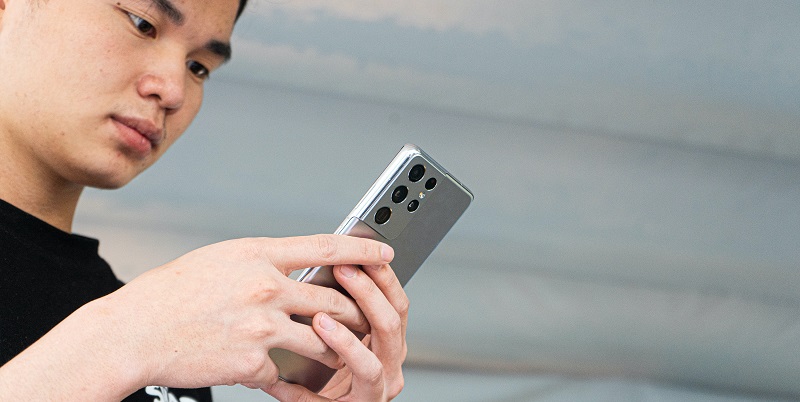
The Samsung Galaxy S24 Ultra, one of the most anticipated flagship smartphones of the upcoming year, is rumored to undergo a significant design change. Reliable leaker Ice Universe recently revealed that the device might abandon the curved display, opting for a flat screen instead. This revelation has ignited a debate among smartphone enthusiasts. Let’s delve deeper into the implications and potential impact of this alleged shift.
The Shift to a Flat Display
The decision to transition from a curved display to a flat one is a departure from Samsung’s recent design choices. While the edge curve has gained popularity among users, the flat screen option in the Galaxy S24 Ultra is aimed at attracting S Pen users and those who prefer a more traditional display. However, not everyone will embrace this change, as loyalists of the curved design might feel disappointed with the rumored switch.
Expected Features of the Galaxy S24 Ultra
Beyond the display alteration, the Galaxy S24 Ultra is rumored to pack impressive features. According to Ice Universe, the smartphone might boast a whopping 200MP primary camera, ensuring breathtaking photography capabilities. Additionally, a 50MP telephoto camera is expected to offer enhanced zooming capabilities. In terms of processing power, users will likely have the choice between the high-performing Qualcomm Snapdragon 8 Gen 3 and Samsung Exynos 2400 processors.
Comparison with the Galaxy S23 Ultra
The alleged transition to a flat display on the Galaxy S24 Ultra marks a notable divergence from its predecessor, the Galaxy S23 Ultra. The S23 Ultra featured a slightly curved display, although its curvature was significantly tamer compared to the Edge devices of earlier years. The move to a completely flat screen reflects Samsung’s commitment to exploring diverse design options and accommodating varying user preferences.
Reliability of the Information
Ice Universe, the source of this recent revelation, has earned a reputation for providing accurate insider information about upcoming devices. Nonetheless, it’s important to exercise caution when considering these details, as specifications and features are subject to change during the development process. While the information seems credible, it’s prudent to wait for official announcements before drawing definitive conclusions.
The Significance of the Width Measurement
One crucial detail that hints at the lack of a curved display is the width measurement of the rumored Galaxy S24 Ultra. Reports suggest a width of 79mm, which would align with a flat screen design. This dimension may serve as a “smoking gun” for those skeptical of the curved display rumor. However, until official confirmation or additional leaks surface, this remains speculative.
Positive Reception of the Flat Screen Change
The transition to a flat screen is likely to be well received by users who heavily utilize the S Pen. The S Pen, known for its precision and control, tends to be more effective on a flat surface. Furthermore, there are some users who simply never warmed up to the edge curve, finding it a source of accidental touches and added fragility. For these individuals, the shift to a flat display will come as a welcome change.
Processor Options
Samsung is known for offering different processor variants for its flagship devices, and the Galaxy S24 Ultra is no exception. While some variants will feature the Qualcomm Snapdragon 8 Gen 3 processor, renowned for its processing power and energy efficiency, others will come equipped with Samsung’s very own Exynos 2400 processor. This variety provides users with choices based on regional availability and individual preferences.
The rumored transition of the Samsung Galaxy S24 Ultra to a flat display has sparked both excitement and skepticism among smartphone enthusiasts. The alleged change aims to cater to S Pen users and address concerns of accidental touches associated with the edge curve. As we eagerly await official confirmation and detailed specifications, it is crucial to remember that this information could still undergo modifications. Whether the flat display proves to be a hit or a miss, the Galaxy S24 Ultra promises to deliver an excellent smartphone experience with cutting-edge features and innovative technology.