

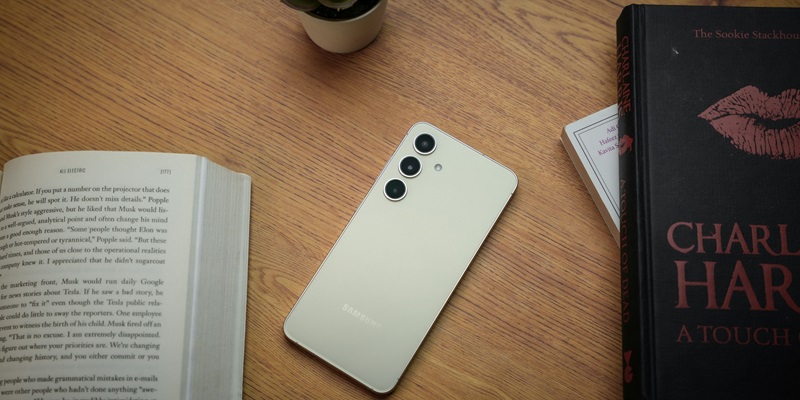
In a thrilling turn of events for tech enthusiasts and gadget aficionados, the upcoming Samsung Galaxy S24 FE is poised to hit the market sooner than anyone expected. Shifting from its purported late 2024 launch, rumors now suggest a potential summer release that has the tech community abuzz with anticipation. This early arrival could be a strategic maneuver by Samsung to stake its claim in the market well before the rush of autumn new arrivals from industry rivals. Encouraging these speculations, recent activity on the Geekbench platform has revealed the international version of the Galaxy S24 FE, signaling that development is nearing its final stages. With this buzzworthy news in the air, Samsung’s fresh contender is ready to make waves in the mid-range smartphone arena.
A Power-House in Performance
Leading the charge for the Samsung Galaxy S24 FE is the robust Exynos 2400 chipset. Housing a 10-core processor, including a Cortex-X4 core at an impressive 3.1GHz clock speed alongside Cortex-A720 and Cortex-A520 cores, the device promises to deliver raw power and exceptional performance. This sophisticated assembly alludes to the Galaxy S24 FE’s capability to handle demanding tasks with ease, offering users a smooth and responsive experience. The standard memory configuration starts strong with 8GB of RAM, but murmurings of a higher-end variant boasting 12GB RAM seem to be on the horizon, coupled with the convenience of either 128GB or 256GB storage options. These specifications not only highlight the phone’s competence but also indicate Samsung’s intention to leave no stone unturned in satisfying the various needs of their consumer base.
With performance at its core, the Galaxy S24 FE stands out as a formidable player in the competitive smartphone market. Despite Samsung’s previous Exynos chips facing mixed reviews, especially when compared to Qualcomm’s Snapdragon processors, the Exynos 2400 aims to shift the narrative. Backed by its promising specifications, this chipset could spearhead a new era of performance standards for Samsung’s Fan Edition range. Although concerns over Exynos’s consistency linger, the Galaxy S24 FE is still poised to be a highly anticipated device for those seeking top-tier performance without breaking the bank.
Gearing Up for Launch
Tech enthusiasts have reason to celebrate as the Samsung Galaxy S24 FE is set to launch much earlier than expected, stirring excitement across the gadget community. Initially slated for a late 2024 debut, the buzz is that summer could welcome this hotly-anticipated device. This shift in timing seems to be Samsung’s tactical play to establish a strong presence in the competitive market before the usual autumn tech frenzy kicks off. Fueling such speculation, the international version of the Galaxy S24 FE made an appearance on the Geekbench benchmarking site, hinting that the product is on the cusp of completion. With eager chatter growing louder, Samsung’s upcoming release is poised to take the mid-range smartphone segment by storm, offering fans a fresh and exciting option in a sea of familiar devices. As the launch draws near, Samsung is set to give its competitors a run for their money by introducing its contender amid less crowded skies.