

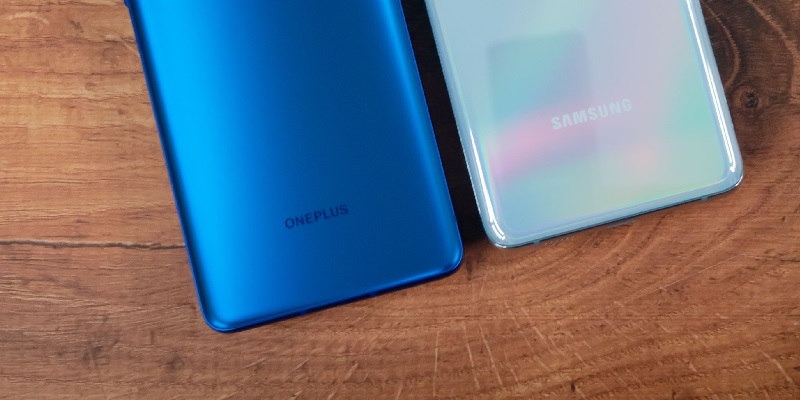
In this rapidly evolving era of smartphones, staying ahead of the curve is crucial. The Samsung Galaxy S23 Ultra and OnePlus 11 are two devices that have set new standards in the realm of mobile technology, offering top-of-the-line features and cutting-edge advancements. Let’s delve into a detailed comparison to see how these powerhouses stack up against each other.
Display
The display is undeniably one of the most important aspects of any smartphone. The Samsung Galaxy S23 Ultra boasts a striking 6.8-inch Dynamic AMOLED 2X display. With its Quad HD+ resolution of 3088 x 1440 pixels, every image and video displayed on this screen is a visual treat. On the other hand, the OnePlus 11 flaunts a 6.7-inch Super Fluid AMOLED display with LTPO tech, offering an impressive QHD+ resolution of 3216 x 1440 pixels. Both devices provide immersive and vibrant viewing experiences, making it challenging to choose a clear winner.
Processor and Performance
Under the hood, the Samsung Galaxy S23 Ultra packs a punch with its Octa-Core processor, clocked at varying speeds to optimize performance. This powerhouse handles multitasking, gaming, and demanding applications with ease. On the other hand, the OnePlus 11 is equipped with the Qualcomm Snapdragon 8 Gen 2 Mobile Platform. Paired with options for 8GB or 16GB of LPDDR5X RAM and 128GB or 256GB of UFS storage, the OnePlus 11 ensures smooth and efficient performance even during heavy usage.
Camera setup
Photography enthusiasts are in for a treat with these devices. The Samsung Galaxy S23 Ultra boasts an impressive quad-camera setup, headlined by a whopping 200MP main sensor. This sensor captures every intricate detail with remarkable clarity. On the other hand, the OnePlus 11 features a capable camera setup, including a 50MP main sensor, 48MP ultrawide sensor, 32MP monochrome sensor, and 16MP depth sensor. With the OnePlus 11, you can expect stunning photos from multiple perspectives.
Battery and Charging
Both devices come equipped with a robust 5,000 mAh battery, ensuring prolonged usage without the need for constant recharging. The Samsung Galaxy S23 Ultra utilizes Dual-cell technology to optimize battery performance. However, the real excitement lies in the OnePlus 11’s SUPERVOOC 100W fast charging capability. With this feature, your battery can go from zero to full in no time, keeping you seamlessly connected throughout the day.
Software and Operating System
Software plays a crucial role in enhancing user experience. The Samsung Galaxy S23 Ultra runs on OxygenOS 13.0, which is based on the latest Android 13 operating system. This combination promises a smooth and intuitive interface, along with access to a myriad of apps and features. The OnePlus 11 also operates on OxygenOS 13.0, based on Android 13, providing a similar user experience.
The Samsung Galaxy S23 Ultra and OnePlus 11 have raised the bar in terms of smartphone technology. Their top-of-the-line features and cutting-edge advancements make them strong contenders in the smartphone market. Whether it’s the stunning display, powerful performance, impressive camera setup, long battery life, or user-friendly software, both devices excel in their own right. Ultimately, the choice between these two tech powerhouses will depend on individual preferences and priorities. Regardless of your decision, both the Samsung Galaxy S23 Ultra and OnePlus 11 are bound to exceed your expectations and provide a stellar smartphone experience.