

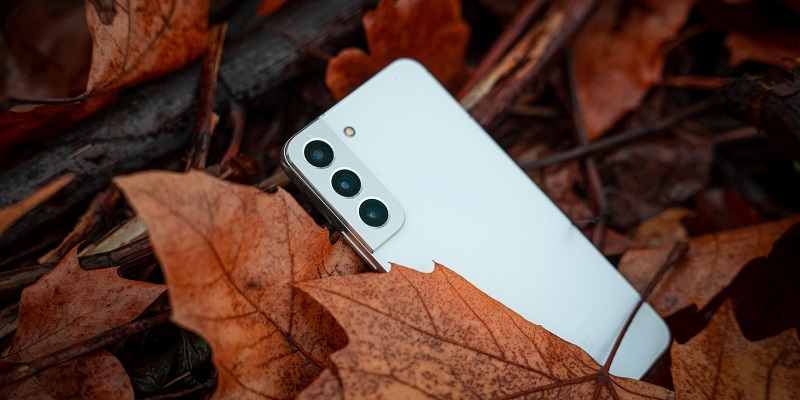
Samsung recently unveiled the Galaxy S22 FE, a more affordable version of its flagship smartphone. However, rumors are already swirling about the next model in the FE lineup, the Galaxy S23 FE, which is set to include some significant camera upgrades.
Rumor of a 50MP primary camera
Last month, reports began circulating that the Galaxy S23 FE would feature a remarkable 50MP primary camera, an upgrade from the 12MP unit found on the regular Galaxy S23. This would be a sizable jump in camera quality, making the S23 FE a standout smartphone in the mid-range market.
Confirmation from GalaxyClub
Now, those rumors have been corroborated by the folks at GalaxyClub, a reliable source for Samsung leaks in the past. According to the latest report, the Galaxy S23 FE will indeed have a 50MP camera after all.
Possible Usage of the Same 50MP Camera Unit
It is believed that the 50MP unit could be the same one used on the current flagship models, the Galaxy S21 and S22. If this is the case, it suggests that Samsung is committed to giving its mid-range phones the same cutting-edge camera technology as its premium products.
Unknown number of rear cameras
Although we now know that the Galaxy S23 FE will have a high-quality primary camera, there is still no concrete information on how many cameras it will have on its rear panel. The Galaxy S22 and S23 both had triple-camera setups, so it’s possible that the S23 FE will follow suit.
Selfie Camera Comparisons
In terms of selfie cameras, the Galaxy S21 FE came with a 32MP unit, while the Galaxy S22 and S23 both featured 10MP and 12MP units, respectively. It will be interesting to see if Samsung continues this trend with the S23 FE or opts for an even higher resolution camera.
Other rumored specs
Aside from the camera, the Samsung Galaxy S23 FE is rumored to feature an Exynos 2200 SoC, which will likely offer improved performance compared to the Exynos 2100 chipset found in the S21 FE. The phone is also expected to have a 4,500mAh battery, which is slightly larger than the S21 FE’s 4,000mAh battery. Two storage options, 6GB or 8GB of RAM, are also rumored to be available.
The Galaxy S23 FE is expected to be unveiled months after the Galaxy Z Fold5 and Galaxy Z Flip5 are introduced in late July. This means we could hear more concrete details about the S23 FE by the end of the year or early 2023. However, it’s important to note that release schedules can change at any time, so this is subject to change.
At this time, the report from GalaxyClub does not reveal any other details about the Galaxy S23 FE. We don’t know what the phone will look like, how much it will cost, or when it will be available for purchase. However, based on the rumored specs and camera upgrades, the Galaxy S23 FE is shaping up to be an impressive mid-range smartphone that’s worth keeping an eye on.