

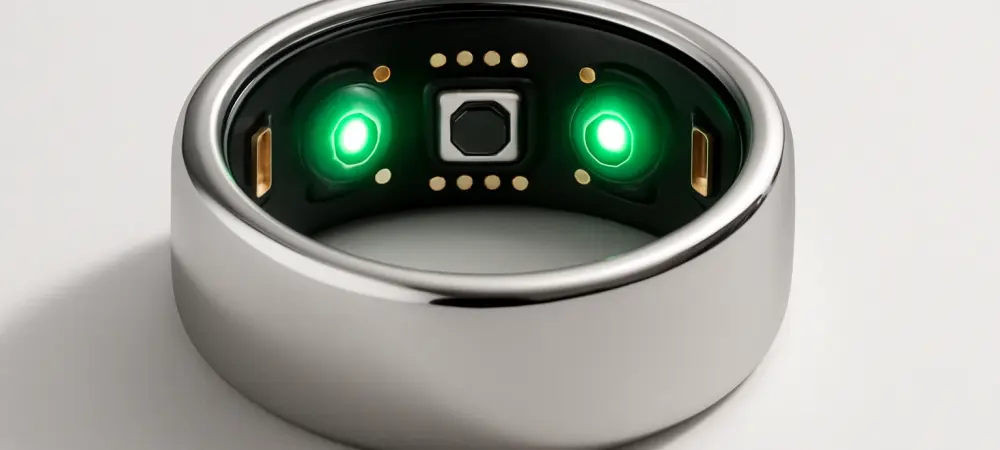
Imagine a world where health tracking seamlessly blends into daily life, unnoticed yet incredibly powerful, without the bulk of a smartwatch weighing down the wrist, and this is the reality brought forth by a revolutionary device in the wearable technology space, capturing attention for its sleek design and robust functionality. Tailored for Android users, especially those within the Samsung ecosystem, this smart ring has redefined expectations for discreet fitness and wellness monitoring, setting a new benchmark for what wearables can achieve.
Unveiling a Discreet Powerhouse
The wearable tech market has seen a surge in demand for minimalist devices that don’t compromise on performance. Enter a cutting-edge smart ring that offers a stylish alternative to traditional smartwatches, catering to users who prioritize both aesthetics and utility. With a recent price drop to $299.99 from an original $399.99 on Amazon, this device has become an attractive option for tech enthusiasts looking to invest in premium health tracking at a more accessible cost.
This smart ring stands out as a lightweight solution, designed to be worn effortlessly throughout the day and night. Its emergence reflects a growing trend toward unobtrusive wearables that integrate smoothly into various lifestyles. The significant discount marks a pivotal moment, broadening its appeal and positioning it as a must-have for those seeking advanced features without the heft of conventional gadgets.
In-Depth Analysis of Features and Performance
Advanced Health and Fitness Tracking
At the core of this smart ring’s appeal lies its sophisticated health and fitness monitoring capabilities. Users gain access to detailed insights into sleep patterns and physical activity, empowering them to make informed decisions about their wellness routines. The integration with the Samsung Health app enhances this experience, leveraging AI-driven tools to present data in an intuitive format that simplifies tracking progress.
Beyond basic metrics, the device offers nuanced analyses, such as sleep stage breakdowns and energy level assessments, catering to both casual users and dedicated fitness buffs. This level of detail ensures that individuals can tailor their habits based on precise feedback, a feature that has resonated strongly with the Android community. The seamless syncing with Samsung devices further amplifies its value, creating a cohesive ecosystem for health management.
Exceptional Battery Life and Ergonomic Design
One of the standout attributes of this smart ring is its remarkable battery life, lasting up to seven days on a single charge. This longevity addresses a common pain point with wearables, eliminating the need for frequent recharging and allowing uninterrupted use during extended periods. Such endurance makes it an ideal companion for travel or busy schedules where access to chargers might be limited.
Equally impressive is the ring’s ergonomic design, crafted to ensure comfort even during prolonged wear. Its lightweight build and subtle form factor mean it can be worn in any setting, from workouts to formal occasions, without drawing attention. This balance of practicality and style underscores its appeal as a versatile accessory for modern lifestyles, setting it apart from bulkier alternatives.
Market Reception and User Feedback
Feedback from users and critics alike has been overwhelmingly positive, with early impressions describing the device as astonishingly effective after just 24 hours of use. Long-term evaluations have cemented its status as the premier choice for Samsung loyalists, earning accolades for its seamless integration and comprehensive features. A 4.5-star rating reflects its dominance among the top smart rings currently available, highlighting its widespread acclaim.
The primary critique, centered on its initial high price point, has been largely mitigated by the recent discount. This adjustment has made the device more accessible, addressing concerns about affordability while maintaining its premium positioning. As a result, it has attracted a broader audience, eager to experience its capabilities without the earlier financial barrier.
Market trends indicate a growing preference for smart rings over traditional wearables, and this device has capitalized on that shift. Its discreet nature offers a distinct advantage in professional or social environments where a smartwatch might feel out of place. This adaptability has further fueled its popularity, reinforcing its reputation as a leader in the category.
Practical Applications in Daily Life
For fitness enthusiasts, this smart ring provides a discreet way to monitor workouts and recovery, delivering actionable data without the distraction of a larger device. Its ability to track metrics during exercise sessions makes it a valuable tool for optimizing performance, whether at the gym or on a run. The unobtrusive design ensures it never interferes with movement, blending seamlessly into active routines.
Beyond fitness, the ring proves invaluable for individuals focused on improving sleep quality, offering insights that help refine bedtime habits. Its compatibility with Samsung phones enhances this functionality, ensuring a unified experience across devices within the same ecosystem. This synergy is particularly beneficial for users already invested in Samsung technology, creating a streamlined approach to wellness.
In professional settings, the ring’s subtle appearance offers a significant edge, allowing users to maintain a polished look while still accessing critical health data. Unlike bulkier smartwatches, it doesn’t clash with formal attire, making it suitable for meetings or events. This versatility underscores its role as a practical solution for diverse scenarios, catering to a wide range of user needs.
Addressing Challenges and Limitations
Despite its many strengths, the smart ring faced initial criticism for its cost, which deterred some potential buyers before the price reduction. The current discount to $299.99 has effectively tackled this issue, opening the door to a larger demographic of tech-savvy consumers. This shift has been pivotal in enhancing its market penetration and overall appeal. A notable limitation remains its lack of compatibility with Apple devices, directing iOS users toward alternatives like the Apple Watch. Additionally, those seeking sports-specific features across multiple platforms might consider Garmin options for broader ecosystem support. These constraints highlight the device’s targeted focus on the Android and Samsung user base, a deliberate design choice that prioritizes depth over universal compatibility.
Competition in the wearable tech space continues to intensify, requiring ongoing innovation to sustain a leading position. While this smart ring currently holds a strong stance, the need for future updates and feature expansions is evident to stay ahead of rivals. Addressing these challenges will be crucial for maintaining its edge in an evolving market landscape.
Future Trends in Smart Ring Technology
Looking ahead, the potential for this smart ring to evolve with new features or expanded compatibility remains promising. Enhancements in areas like real-time health alerts or integration with additional platforms could further solidify its standing over the next few years, from now through 2027. Such developments would cater to an even wider audience, pushing the boundaries of what smart rings can achieve.
The broader trend of smart rings gaining traction in wearable tech points to a shift toward minimalist yet powerful solutions. As consumers increasingly seek devices that balance functionality with discretion, smart rings are poised to play a central role in shaping preferences. This device’s success serves as a catalyst, likely influencing competitors to refine their offerings in response to changing demands.
Samsung’s influence in this emerging market cannot be understated, with the potential to set standards for design and innovation. The focus on user-centric features and ecosystem integration could inspire a wave of similar products, driving the category forward. This trajectory suggests a dynamic future where smart rings become a staple in personal health management, redefining wearable technology norms.
Reflecting on a Wearable Revolution
Looking back, the journey of this smart ring revealed a transformative approach to health and fitness tracking, blending cutting-edge technology with unparalleled comfort. Its impact was evident in how it reshaped user expectations, offering a discreet yet powerful alternative to traditional wearables. The discounted price proved to be a turning point, making premium features accessible to a wider audience. For those considering a step into the world of smart rings, exploring this device presented a compelling starting point, especially for Android and Samsung users. Investigating its integration within personal tech ecosystems was a practical next step, ensuring alignment with individual needs. Additionally, keeping an eye on upcoming updates or competing products offered a way to stay informed about evolving options.
As the wearable market continued to grow, the legacy of this smart ring served as a reminder of innovation’s role in meeting modern demands. For users and manufacturers alike, the focus shifted toward anticipating future enhancements that could further refine the balance of style and functionality. This ongoing dialogue promised to drive the next wave of advancements, ensuring wearables remained at the forefront of personal technology.