

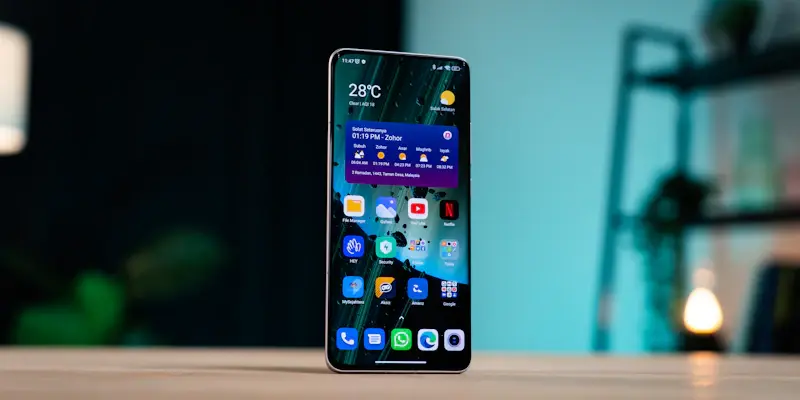
Recent sightings of the Samsung Galaxy M16 5G and Galaxy F16 5G on the Bureau of Indian Standards (BIS) website indicate that the launch of these budget-friendly smartphones in India is just around the corner, sparking interest among potential buyers. Previously, these models appeared on various certification sites, hinting at their impending release. The Galaxy M16 5G, identified by model number SM-M166P/DS, along with the Galaxy F16 5G, tagged as model number SM-E166P/DS, are expected to be successors to the Galaxy M15 5G and Galaxy F15 5G, respectively.
Imminent Availability in the Indian Market
The BIS listings suggest that these smartphones might hit the Indian market soon. Even though the listings do not provide in-depth details about the specifications, it is believed that these devices will support dual-band Wi-Fi, featuring both 2.4GHz and 5GHz frequencies. Additionally, they are expected to run on Android 14-based One UI 6, offering users a seamless and updated interface.
Benchmark Scores and Chipset Details
In related news, the Samsung Galaxy M16 5G was reportedly seen on Geekbench, achieving scores of 552 for single-core and 1,611 for multi-core tests. The benchmark details indicate that it might be powered by the MediaTek Dimensity 6300 SoC. This chipset has also been used in the Galaxy A16 5G, which launched in India in October, adding credibility to these reports.
Galaxy A16 5G Features and Pricing
The Galaxy A16 5G, which offers a glimpse into what might be expected from the upcoming Galaxy M16 5G and Galaxy F16 5G, boasts a 6.7-inch 90Hz full-HD+ AMOLED display. The device features a sleek 7.9mm profile and a robust camera setup, including a 50-megapixel primary sensor, a 5-megapixel ultra-wide-angle camera, and a 2-megapixel macro shooter. It also has a 13-megapixel front camera for selfies. The device is powered by a 5,000mAh battery that supports 25W charging and is priced starting at Rs. 18,999 for the 8GB + 128GB variant.
Expansion of Samsung’s Budget Smartphone Lineup
Following the successful releases of their predecessors, Samsung aims to attract budget-conscious consumers who still want the latest in 5G technology. Key features of the upcoming models are expected to include improved cameras, better battery life, and enhanced performance, aligning with the current trends for cost-effective but feature-rich smartphones. Additionally, their release marks Samsung’s continued commitment to remaining competitive in India’s ever-growing smartphone market by offering affordable 5G options to a broader audience.