

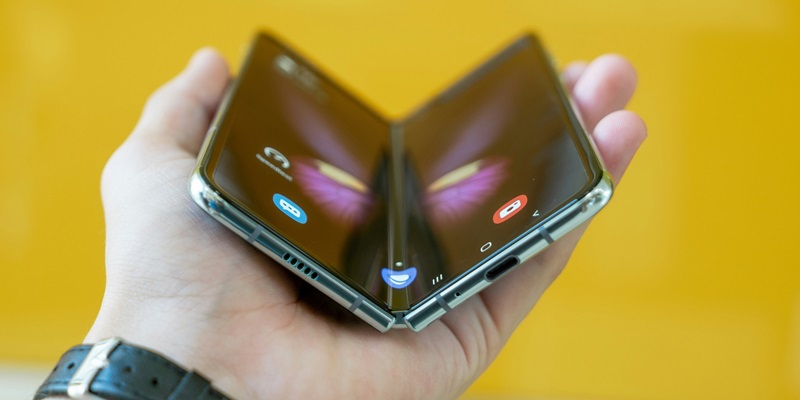
In the fast-evolving world of smartphones, where innovation meets consumer expectations, Samsung prepares to redefine the foldable device landscape with the upcoming Galaxy Fold 6. A transformative iteration of the Fold series, the new model brings a sleeker design and enhanced features to the table, aiming to wrestle back market attention from competitors who are forging their paths in the foldable market. With its inception, the Fold 6 is not simply a technological upgrade over the Fold 5; it is a strategic move by Samsung to showcase its dominance in the realm of high-tech smartphones.
Redefining Design and Usability
Samsung’s Galaxy Fold 6 is on the horizon, and it brings with it an array of enhancements that set a new benchmark for what foldable technology can offer. From a wider external screen to symmetrical bezels, every detail of the Fold 6 has been meticulously engineered to provide a seamless user experience. The device features sharper angles, giving it a modern and sophisticated aesthetic appeal. Moving forward from the Fold 5, the Fold 6 introduces updated camera modules, gearing up for improved visual engagement.
Furthermore, the Galaxy Fold 6 addresses one of the more persistent issues concerning foldable phones—the visible crease. By delivering a less noticeable crease on the internal display, Samsung illustrates its dedication to providing immersive and flawless screen continuity. Adding to the allure, the device aims for a svelte profile, shedding weight and girth. These modifications contribute not just to the visual and tactile appeal but also significantly enhance the portability, decisively refining the user’s everyday interaction with the device.
Performance and Market Impact
In the dynamic landscape of smartphone technology, Samsung stands at the precipice of innovation with its soon-to-be-unveiled Galaxy Fold 6. This latest addition to the Fold series isn’t just a notch above its predecessor; it is Samsung’s bold statement in the competitive arena of foldable devices. With the Galaxy Fold 6, Samsung aims to reclaim the spotlight and captivate users who crave next-level technology. Featuring a more refined aesthetic and upgraded capabilities, the Fold 6 is poised to challenge the advances of rivals who are also carving their niche in the foldable segment. More than a mere enhancement from the Fold 5, this iteration asserts Samsung’s supremacy in the high-stakes game of cutting-edge smartphone creation, signaling its commitment to leading the foldable trend. Samsung’s strategy with the Fold 6 is clear: it’s not just about staying ahead, but defining the future of smartphones.