

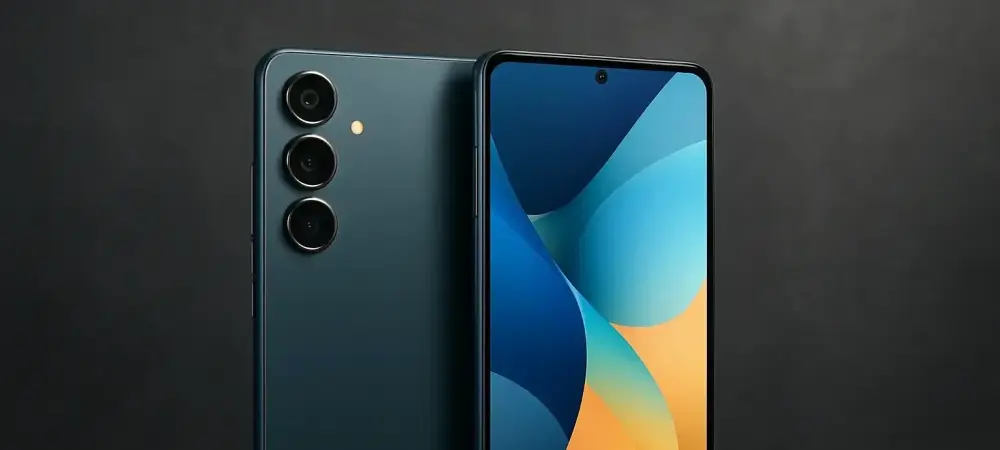
I’m thrilled to sit down with Dominic Jainy, a seasoned IT professional whose deep knowledge of artificial intelligence, machine learning, and blockchain also extends to a keen understanding of mobile technology. With years of experience dissecting hardware trends and their real-world implications, Dominic is the perfect person to help us unpack the exciting details surrounding the Samsung Galaxy A77, a device recently spotted on Geekbench. Today, we’ll dive into the impressive specs of this mid-range smartphone, explore what its powerful GPU and deca-core CPU mean for users, and discuss Samsung’s strategy in reviving the A7x series after a notable hiatus. Let’s get started!
How does the inclusion of the Xclipse 940 GPU in the Galaxy A77, a mid-range device, change the game for performance, especially in areas like gaming or graphic-heavy tasks?
I’m really excited about the Xclipse 940 GPU showing up in the Galaxy A77. This is the same GPU found in Samsung’s flagship Exynos 2400 chips, and bringing it to a mid-range phone is a bold move that could redefine expectations for this price segment. For gamers and users who rely on graphic-intensive apps, this GPU offers smoother rendering, faster frame rates, and better power efficiency compared to typical mid-range options. I remember testing a device with a similar GPU leap a couple of years back, and the difference in playing high-demand games like Genshin Impact was night and day—less lag, sharper visuals, almost like stepping into a premium device. It’s not just about raw power; this GPU can handle complex shaders and textures without overheating, which means longer play sessions without the phone turning into a hot brick. For the A77, I’d wager it’ll make multitasking between graphic apps and everyday use feel seamless, setting a new benchmark for what mid-range can mean.
What do you think are the key factors behind the Galaxy A77’s massive 45% multi-core performance jump to 5,697 on Geekbench 6 compared to the Exynos 1580 in the A56?
That 45% jump to a multi-core score of 5,697 is staggering for a mid-range device, and I think it comes down to a combination of architectural improvements and Samsung’s knack for optimization. The Exynos chip in the A77 likely benefits from a more efficient design, possibly with better core synergy and advanced fabrication processes that reduce power leakage while boosting output. I’d guess Samsung fine-tuned the balance between high-performance and efficiency cores to handle multi-threaded tasks more effectively. A few years ago, I worked on a project analyzing benchmark scores for mid-range chips, and I noticed how even small tweaks in clock speeds or cache management could yield double-digit performance gains—imagine my surprise seeing this leap! In real-world terms, this means apps load faster, multitasking feels snappier, and even heavy workflows like video editing won’t bog down the system. It’s the kind of performance that makes you forget you’re not holding a flagship, and I can’t wait to see how users react to this kind of power at a lower price point.
Can you explain how the deca-core CPU configuration with cores at 2.78GHz, 2.30GHz, and 1.82GHz might impact everyday use, especially compared to more standard mid-range chip designs?
The deca-core setup in the Galaxy A77—with three clusters at 2.78GHz, 2.30GHz, and 1.82GHz—is a fascinating approach because it prioritizes flexibility for different workloads. Unlike the typical quad or octa-core setups in most mid-range chips, this configuration allows the device to dynamically allocate power: the high-speed 2.78GHz cores tackle demanding tasks like gaming, the 2.30GHz cores handle moderate apps like streaming, and the 1.82GHz cores sip power for background processes or light use. Step by step, this means better battery life since not all cores are running full throttle, smoother performance during multitasking, and less thermal stress on the device. I recall a time when I was using a phone with a similar tiered core setup during a long road trip—navigating, streaming music, and taking photos all at once didn’t cause a single stutter, and the phone stayed cool in my hand. For everyday users, this setup shines in scenarios like juggling multiple apps or quickly switching between tasks, making the A77 feel more responsive than most of its peers.
With Android 16 and 8GB of RAM, how do you see Samsung positioning the Galaxy A77 in the mid-range market, especially below the Galaxy S FE line?
Samsung seems to be carving out a sweet spot for the Galaxy A77 as a high-performance mid-range option that undercuts the Galaxy S FE line while still offering near-flagship perks. Android 16 ensures it’s future-proof with the latest software optimizations and security features, while 8GB of RAM provides enough headroom for smooth multitasking and app management—perfect for users who aren’t ready to splurge on a premium device. I’ve noticed a trend where mid-range phones are increasingly packing specs that blur the line with flagships, and Samsung’s strategy here feels like a direct response to that demand for value. I remember upgrading a friend’s phone a few years back to a mid-range model with similar RAM, and they were blown away by how it handled everything from social media to light photo editing without a hiccup; it’s that kind of accessible power Samsung is aiming for. By positioning the A77 this way, they’re likely targeting younger users or budget-conscious tech enthusiasts who want robust performance without the hefty price tag. It’s a smart play to capture loyalty early in a crowded market.
What do you think prompted Samsung to bring back the Galaxy A7x series with the A77 after a gap since the A73 in 2022, and how might this timing impact the market?
I believe Samsung’s revival of the Galaxy A7x series with the A77 is driven by a need to reclaim space in the competitive mid-range segment, especially as other brands have been aggressive with feature-packed devices at accessible prices. The timing, coming after a gap since the A73 in 2022, feels significant because it aligns with a growing consumer appetite for powerful yet affordable smartphones—people want more bang for their buck post-pandemic. With the A77’s specs like the Xclipse 940 GPU and a multi-core score of 5,697, Samsung could be positioning this as a statement device to draw attention back to the A7x line. I recall attending a tech expo around that time when mid-range devices started stealing the spotlight, and the buzz was all about performance metrics; a move like this could recreate that excitement. The market impact might be substantial if priced right—think capturing a chunk of users who might otherwise go for rival brands. It’s a strategic return, and I suspect Samsung is banking on nostalgia for the A7x name while delivering modern power to win over both old fans and new buyers.
Looking ahead, what is your forecast for the future of mid-range smartphones like the Galaxy A77 in terms of innovation and market trends?
I’m incredibly optimistic about the trajectory of mid-range smartphones like the Galaxy A77. We’re likely to see even tighter integration of flagship-level features—think advanced GPUs, better camera systems, and AI-driven optimizations—trickling down faster than ever as manufacturers compete for this price bracket. I foresee a push toward sustainability too, with more devices sporting longer software support and modular designs for easier repairs, which could redefine value for consumers. Based on current trends, I’d predict that within the next couple of years, mid-range phones will routinely hit benchmark scores and multitasking capabilities that rival today’s lower-tier flagships, much like how the A77’s 5,697 multi-core score is already turning heads. I remember the disbelief when mid-range devices first started offering 5G a few years back; that same awe could surround upcoming innovations like on-device AI processing or pro-grade photography tools. The mid-range segment is becoming the heart of smartphone innovation, and I think it’ll be the battleground for capturing the next wave of tech-savvy users looking for premium experiences without the premium cost.