

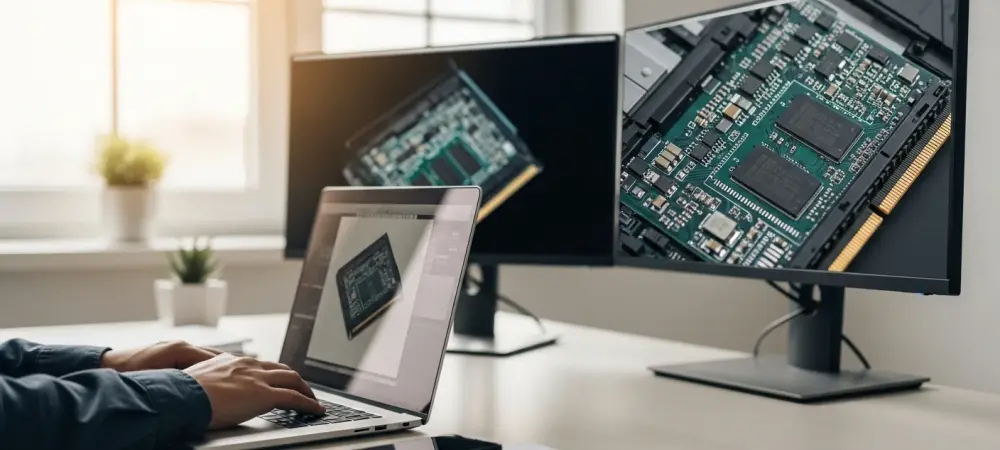
The rapid evolution of generative artificial intelligence has necessitated a fundamental shift in how mobile hardware handles massive data sets, moving beyond the cloud into the palm of the user’s hand. This transition requires more than just faster processors; it demands a complete overhaul of the memory hierarchy to prevent the “memory wall” from stifling innovation. At the International Solid-State Circuits Conference (ISSCC) 2026, the unveiling of functional LPDDR6 implementations by Samsung and SK Hynix marked a decisive turning point for the industry. These organizations have successfully translated theoretical JEDEC standards into physical silicon that addresses the extreme bandwidth and low-latency requirements of 2026-era applications. As high-end smartphones and portable workstations attempt to process complex large language models locally, the limitations of previous memory generations have become increasingly apparent. LPDDR6 is not merely an incremental update but a structural reimagining designed to sustain the next decade of on-device intelligence. By providing the necessary throughput for real-time AI interactions, these chips are set to redefine the user experience across the entire consumer electronics spectrum. The memory subsystem has emerged as a critical performance bottleneck as software developers push the boundaries of what local silicon can achieve. LPDDR6 is designed specifically to break this barrier, offering a combination of high bandwidth and granular efficiency that was previously impossible to attain in a mobile power envelope. By reimagining how data is stored and accessed at the circuit level, these new chips provide the foundation for a more intelligent and responsive generation of devices. This development is not just about raw speed; it is about creating a balanced architecture that can handle the unpredictable and fragmented data requests common in neural network processing. The move toward LPDDR6 represents a holistic approach to system design, where the memory and the processor work in closer harmony to minimize energy waste and maximize computational throughput. This shift is essential for maintaining the momentum of AI integration without compromising the battery life and thermal stability that consumers expect from their mobile hardware.
Redefining Memory Architecture
A Generational Leap: The Shift to a 24-Bit Bus
The most significant structural change introduced in the LPDDR6 standard is the transition from a traditional 16-bit channel to a wider 24-bit architecture. This expansion represents a departure from decades of binary-aligned bus widths, and it allows for a massive increase in total bandwidth across the memory interface. By adopting a 24-bit bus, manufacturers can provide significantly more data per clock cycle, which is vital for the memory-hungry operations of modern large language models and real-time image generation. However, this shift requires a complete redesign of the memory controllers within system-on-chip (SoC) architectures to handle the non-standard bus width effectively. Engineers must now account for different data mapping and interleaving strategies to ensure that the increased bandwidth does not come at the cost of excessive complexity or latency. This architectural evolution ensures that next-generation processors can maintain a steady flow of data to AI engines, effectively eliminating the starvation periods that often slowed down previous mobile platforms.
Furthermore, the implementation of a 24-bit bus width allows for more flexible memory configurations in high-end devices, enabling OEMs to scale performance based on the specific needs of the product. This flexibility is particularly useful for professional-grade laptops and specialized AI workstations that require maximum throughput without the physical footprint of desktop-class DIMMs. The 24-bit structure essentially provides a middle ground that captures the benefits of wider interfaces while maintaining the power efficiency required for mobile form factors. As developers create more sophisticated AI agents that run in the background, this wider highway for data becomes a prerequisite rather than a luxury. The engineering feat of stabilizing such an interface at the high frequencies required for LPDDR6 cannot be overstated, as it involves overcoming significant signal integrity and electromagnetic interference challenges. By standardizing this wider bus, the industry is signaling that the era of “good enough” mobile memory has passed, replaced by a need for high-performance infrastructure.
Access Granularity: Optimizing Data Retrieval for AI
Along with the wider bus, LPDDR6 introduces a refined 32-byte access granularity, which is a significant 50% reduction from the previous 64-byte standard used in LPDDR5X. This smaller “fetch” size is specifically tailored to the behavior of modern artificial intelligence models, which often generate irregular and fragmented data requests during inference. When a processor requests a specific piece of information, older memory standards would retrieve a large 64-byte block regardless of how much of that data was actually needed, leading to wasted bandwidth and unnecessary power consumption. By moving to a 32-byte granularity, LPDDR6 allows the system to retrieve only what is necessary, which improves the effective speed of random access tasks and reduces energy waste. This optimization is particularly effective for sparse neural networks, where data points are often scattered throughout the memory array. The ability to target smaller chunks of data means the memory interface remains less congested, allowing for higher overall system responsiveness. This shift in granularity also has profound implications for the thermal management of mobile devices, as it reduces the amount of “busy work” the memory chips must perform. Every byte of data moved across the bus consumes energy and generates heat, so by eliminating the transfer of unnecessary data, LPDDR6 helps maintain a cooler operating temperature during intense AI workloads. This is crucial for maintaining peak performance over long periods, as it prevents the thermal throttling that often plagues current-generation smartphones. Additionally, the improved efficiency of 32-byte access allows for better power scaling, enabling devices to operate more conservatively when performing light tasks while still having the headroom for demanding applications. The refined access pattern also benefits multi-tasking scenarios, where several different applications may be competing for memory resources simultaneously. By making each access more efficient, LPDDR6 ensures that the system can juggle these demands without the stuttering or lag that occurs when the memory bus is saturated with oversized data fetches.
Strategic Divergence of Industry Titans
SK Hynix: Maximizing Throughput for Flagship Devices
SK Hynix has strategically positioned its initial LPDDR6 rollout to satisfy the aggressive requirements of the high-performance market, targeting a peak data rate of 14.4 Gbps. This performance-first approach is realized through their advanced 1cnm process node, which allows for higher transistor density and improved electrical characteristics. Their 16Gb chip is designed to deliver a sustainable bandwidth that far exceeds the capabilities of the aging LPDDR5X standard, making it an ideal candidate for flagship AI smartphones and professional-grade mobile workstations. By pushing the data rate to these new heights, SK Hynix is catering to a niche of “power users” and developers who require the absolute maximum throughput for complex simulations and on-device training tasks. This focus on raw performance ensures that their hardware remains at the forefront of the premium segment, where speed is often the primary differentiator for consumers and enterprise clients alike. To manage the significant thermal output associated with such high data rates, SK Hynix has implemented a sophisticated dual-voltage rail system. This design separates the high-speed data transmission circuitry from the peripheral processing tasks, allowing each component to operate at its optimal voltage level. This separation not only maintains system stability under heavy load but also helps in curbing excess heat that could otherwise damage the delicate internal components of a smartphone. Furthermore, their mirror sub-channel technology is a key innovation that allows the memory to enter ultra-low power states when the full bandwidth is not required. This intelligent power management ensures that the device does not drain its battery unnecessarily during idle periods, providing a balance between extreme performance and practical usability. The combination of the 1cnm process and these innovative power-saving techniques demonstrates a commitment to pushing the envelope of what mobile memory can achieve without ignoring the physical constraints of the hardware.
Samsung: Balancing Performance and Power Conservation
In contrast to the performance-centric strategy of its competitor, Samsung has optimized its LPDDR6 implementation for a harmonious balance of speed and power efficiency, focusing on a 12.8 Gbps data rate. This strategic choice is aimed at the broader mobile market, where battery life and thermal stability are often prioritized over marginal gains in peak throughput. Samsung’s approach has yielded impressive results in testing, showing a significant reduction in the energy required for both read and write operations compared to previous generations. This emphasis on energy conservation makes Samsung’s chips an attractive option for a wide range of devices, from mid-range smartphones to ultra-portable laptops that need to last through a full day of use. By targeting a slightly more conservative clock speed, Samsung is able to achieve a higher yield during manufacturing, which could lead to more competitive pricing and wider adoption across various industry segments. Samsung’s design also places a heavy emphasis on deterministic security, featuring a dedicated hardware activation counter integrated directly within the memory array. This feature tracks access patterns at a word-by-word level to detect and mitigate potential security threats, such as Rowhammer attacks, before they can compromise the integrity of the system. This level of protection is becoming increasingly important as mobile devices are used for more sensitive tasks, including edge computing and automotive applications where safety and security are paramount. By baking these defenses into the silicon itself, Samsung provides a robust layer of security that does not rely on software patches or operating system interventions. This focus on “secure-by-design” memory aligns with the growing industry demand for hardware that can protect user data in an increasingly hostile cyber environment. Samsung’s LPDDR6 implementation thus serves as both a performance upgrade and a security enhancement, positioning it as a versatile solution for the next generation of connected devices.
Broad Industry Implications
Strengthening Data Integrity with Integrated ECC
The move to LPDDR6 makes several critical data integrity features mandatory that were previously considered optional in earlier mobile memory generations. One of the most important additions is the integration of on-chip Error Correction Code (ECC), which handles internal data integrity at the hardware level. As manufacturing processes continue to shrink towards the 1nm range, memory cells become more susceptible to random bit flips caused by cosmic rays or electrical interference. On-chip ECC allows the memory to detect and correct these errors silently, ensuring that the data being processed by the AI engine remains accurate and reliable. This feature is particularly vital for long-running AI tasks, where a single bit error could cascade into a significant failure or produce an incorrect result. By making ECC a standard component of the LPDDR6 architecture, the industry is ensuring that mobile devices maintain the same level of reliability that was once reserved for enterprise servers and high-end workstations. In addition to ECC, LPDDR6 introduces Per Row Activation Counting (PRAC), a hardware-level shield designed to defend against sophisticated cyber-attacks like Rowhammer. Rowhammer attacks exploit the physical proximity of memory cells to induce bit flips in adjacent rows through rapid activation, potentially allowing an attacker to gain unauthorized access to the system. PRAC works by monitoring the frequency of row activations and intervening if a suspicious pattern is detected, effectively neutralizing the threat at its source. This proactive approach to hardware security is essential as chip components continue to shrink and the potential for interference grows. These integrated safeguards provide a foundation of trust for users who rely on their devices for financial transactions, private communications, and sensitive work tasks. The transition to LPDDR6 thus represents a major step forward in creating a more resilient and secure hardware ecosystem that can withstand the evolving challenges of the digital age.
Preparing the Ecosystem for Next-Generation Intelligence
The arrival of LPDDR6 marks a definitive shift toward “intelligent memory” that actively manages its own performance, security, and efficiency to meet the demands of the AI era. For software developers and device manufacturers, this transition requires immediate action to optimize their platforms for the new 24-bit architecture and refined access granularity. To fully leverage the capabilities of these new chips, operating system kernels and AI frameworks must be updated to communicate more effectively with the memory controller. Organizations that prioritize this integration early will be able to offer significantly more responsive and capable AI features, giving them a competitive edge in a crowded market. The focus should be on developing lean, efficient models that take advantage of the 32-byte access pattern, as this will result in the best possible balance of speed and power consumption. This shift also opens up new possibilities for edge computing, where devices can perform complex data processing locally without needing to rely on a constant cloud connection.
The competing yet complementary strategies of Samsung and SK Hynix have provided the industry with a diverse set of tools to tackle the challenges of the coming years. Whether a project requires the raw throughput of a 14.4 Gbps interface or the balanced efficiency and hardware-level security of a 12.8 Gbps solution, LPDDR6 has established a new baseline for mobile excellence. This technological leap ensured that the transition to on-device AI was supported by a robust and scalable infrastructure. As the first wave of LPDDR6-equipped devices entered the market, the performance gap between mobile and desktop computing continued to narrow, enabling a new class of applications that were once thought impossible for portable form factors. The successful implementation of these standards by industry leaders demonstrated a remarkable ability to adapt to the changing needs of the global tech landscape. Moving forward, the focus will likely shift toward further refining these architectures and exploring even more advanced ways to integrate memory and logic for the next frontier of computing.