

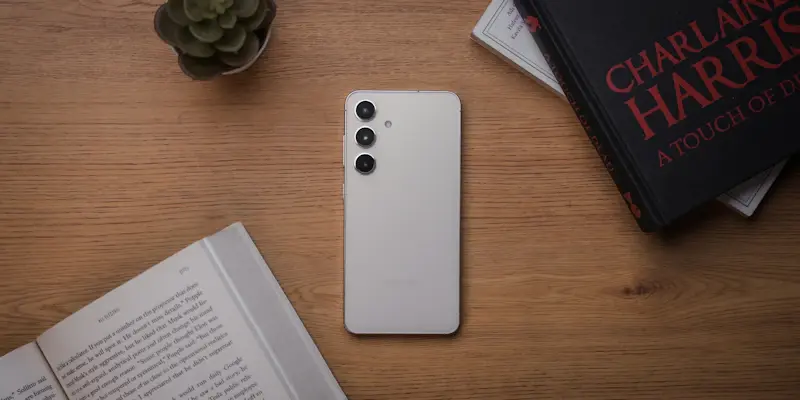
In a move that continues its commitment to delivering high-quality refurbished devices, Samsung has added the Galaxy S24 series to its Certified Re-Newed program. This program, which has been running for several years, ensures a like-new experience for consumers by assembling devices with brand-new batteries and 100% genuine parts, supported by a manufacturer’s warranty. The addition of the Galaxy S24 series, including the Galaxy S24, Galaxy S24 Plus, and Galaxy S24 Ultra, not only bolsters Samsung’s portfolio of re-newed devices but also emphasizes its focus on sustainability and long-lasting technology.
Expansion of the Certified Re-Newed Program
Samsung’s Certified Re-Newed program has consistently provided consumers with reliable, premium refurbished smartphones. By incorporating brand-new batteries and genuine parts, Samsung ensures that these devices perform very much like new models. Each smartphone in this program comes with a one-year manufacturer warranty and an optional subscription to the Samsung Care+ service, which offers extended protection and support. The addition of the Galaxy S24 series reflects Samsung’s strategy of extending the lifecycle of its devices, making advanced technology more accessible at lower prices.
The newly added Galaxy S24 series provides an attractive option for consumers. Even though these devices are only available in one color option—Onyx Black for the Galaxy S24 and Galaxy S24 Plus, and Titanium Black for the Galaxy S24 Ultra—they still offer the premium features and performance that the Galaxy S series is known for. This inclusion marks a significant step in the program by adding devices that, until recently, have been top-of-the-line models, ensuring continued value for users who prefer a more affordable option without compromising quality.
Pricing and Consumer Choices
Offering competitive pricing, the re-newed Galaxy S24 series caters to a wide range of consumer needs. For instance, the Galaxy S24 is available at $619.99 for the 128GB model and $669.99 for the 256GB model. The Galaxy S24 Plus is priced at $799.00 for the 128GB variant and $919.99 for the 512GB option. The Galaxy S24 Ultra, which features even more advanced specifications, is offered at $1019.99 for the 256GB model and $1,139.99 for the 512GB model. These prices make the re-newed series an appealing choice for budget-conscious consumers who still want to enjoy high-end features.
However, some consumers might consider newer alternatives like the Galaxy S25 series, especially when the budget is a major consideration. For instance, the Galaxy S25 Plus with 256GB of storage is available for $879.98, presenting a competitive alternative to the re-newed S24 series. Despite this competition, the re-newed models remain a strong option due to their affordability and reliable performance, thanks to the refurbishment process that includes new batteries and genuine parts. Overall, the addition of these devices to Samsung’s Certified Re-Newed program highlights the company’s dedication to providing high-quality, sustainable technology options.
Future Considerations and Consumer Impact
In a move that reaffirms its dedication to offering high-quality refurbished devices, Samsung has now included the Galaxy S24 series in its Certified Re-Newed program. This initiative, which has been in operation for several years, guarantees a like-new experience for consumers. By assembling these devices with brand-new batteries and 100% authentic parts, Samsung supports them with a manufacturer’s warranty. The Galaxy S24 series addition—comprising the Galaxy S24, Galaxy S24 Plus, and Galaxy S24 Ultra—not only expands Samsung’s lineup of re-newed devices but also highlights the company’s strong focus on sustainability and enduring technology. Through this program, Samsung aims to provide consumers with reliable, cost-effective options that rival new devices in performance and longevity. Additionally, the program underlines Samsung’s commitment to reducing electronic waste and promoting environmentally responsible practices. By choosing Certified Re-Newed devices, consumers can enjoy top-notch technology while also making a positive environmental impact.