

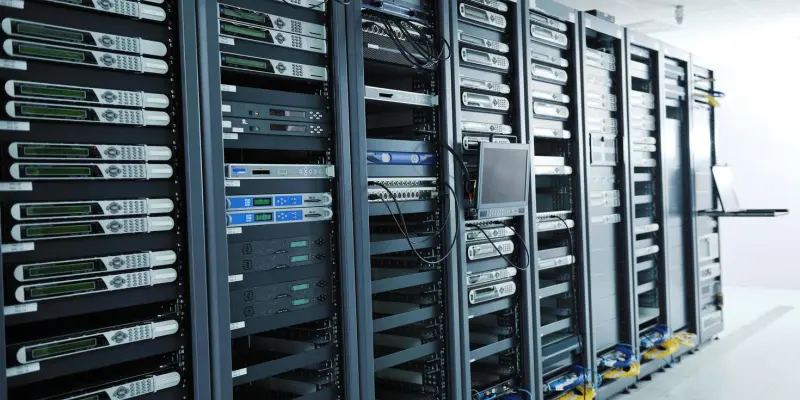
The pursuit of technological advancement often clashes with societal and environmental considerations, a phenomenon well-illustrated in the case of Avaio’s data center project in County Mayo, Ireland. Initially granted conditional approval by Mayo County Council in late April, the project has encountered significant resistance from local residents, including the acclaimed author Sally Rooney. This conflict highlights the delicate balance between development and environmental responsibility that characterizes similar projects worldwide. The council now stands amid a democratic appeal procedure, obligated to reassess the viability of the proposed infrastructure. An Bord Pleanála, Ireland’s planning body, must evaluate the implications of this project within a strict 18-week timeline, promising a comprehensive analysis of pressing environmental concerns and power grid implications that have come to define this case.
The Environmental Concerns
Local Voices Against Potential Hazards
Led by prominent local figures and environmental advocates such as Colin Doyle, the appeal against the Mayo data center reflects deep apprehensions over potential environmental hazards. Skeptics question the reliability of Ireland’s Environmental Impact Assessment Report, which underpins the council’s original approval decision. The concern is not without precedent; similar anxieties have surfaced in response to other projects across the nation, highlighting an expanding dialogue around the sustainability of Ireland’s data center growth. Critics propose that unchecked expansion could exacerbate Ireland’s infrastructural burdens at a time when energy efficiency should be prioritized. They assert that public awareness and engagement are essential in addressing potential discrepancies in environmental evaluations. Doyle’s opposition resonates with a wider community seeking transparency and accountability in the management of natural resources amid accelerating technological expansion.
Broader Implications for Ireland’s Energy Strategy
The broader context in which this opposition has emerged cannot be ignored. A 2024 report from the International Energy Agency predicts dire consequences for Ireland’s power grid, anticipating that data centers might consume up to 32 percent of the national energy supply by 2026. Consequently, the dialogue around Avaio’s project echoes wider environmental concerns that have already led to a moratorium on new data center projects in Dublin, effective until 2028. This decision highlights the potential consequences of overwhelming the nation’s power grid, underscoring a need for sustainable development practices in such infrastructure ventures. Observers now perceive Avaio’s Mayo project as a case study in strategic management; whether these concerns will lead to effective policymaking or merely temporary halts to growth remains to be seen. This scenario underscores the heightened importance of striking a harmonious balance between economic objectives and environmental protection.
Avaio Capital’s Business Interests
Investment Focus in Sustainable Infrastructure
Avaio Capital, the key player behind the ongoing deliberations, is an investment firm with ambitions in sustainable data center development across Europe and the Americas. Having secured the Mayo site early last year, Avaio’s continued interest in expanding its portfolio reflects its confidence in meeting sustainability targets amid heightened scrutiny. Their projects are emblematic of a trend where firms increasingly aim to align economic interests with environmental accountability. For Avaio, this includes ventures such as two 300 MW data center campuses in Virginia. The firm seeks to position itself as a leader in sustainable infrastructure, investing in opportunities where technological innovation can coexist with ecological stewardship. Avaio’s intentions continue to reflect broader industry transformations geared towards integrating sustainable practices across different sectors.
Economic Development versus Environmental Responsibility
The narrative surrounding Avaio’s endeavors illuminates an ongoing dialogue between economic growth and environmental responsibility. The challenges facing Avaio in County Mayo are symbolic of global tensions where data center expansions often ignite debates around sustainability. This discourse has brought fundamental questions to the fore regarding the reporting, transparency, and management of resources involved in such large-scale projects. Avaio’s experience amid this contention serves as an important reminder of the dynamic interplay between professional ambitions and societal expectations. The need for technological advancements cannot overshadow the responsibility firms carry towards preserving the environment. As industry leaders navigate complex intersections between competing interests, Avaio’s strategy may well determine future directions in data center developments both in Ireland and beyond.
The Path Forward for Ireland’s Data Centers
Reevaluating Strategic Approaches
Ireland faces crucial decisions in navigating pressing environmental challenges associated with its growing tech infrastructure. For many stakeholders, dialogue around Avaio’s project has brought renewed attention to implementing sustainable practices throughout the industry. Addressing the implications of resource consumption and power grid impact is vital for mitigating potential environmental stress. A clear regulatory framework could serve as an effective means to manage growing energy demands while ensuring ecological stability. Strategic flexibility offers opportunities to harness technology’s potential without compromising future prosperity. As Ireland continues to reassess its approach towards data center developments, insights offered through cases like Avaio provide essential groundwork for pioneering solutions that align sustainable practices with technological advancements.
Harmonizing Economic and Ecological Goals
While the appeal against Avaio’s data center highlights significant concerns, it has also sparked deeper conversations about harmonizing economic and ecological objectives effectively. Encouraging collaboration between industry leaders, policymakers, and communities may be instrumental in achieving this delicate balance. Ireland’s example contributes a valuable perspective to ongoing discussions globally about integrating sustainable principles within technological growth. The current challenges provide an opportunity for effective solutions to emerge that prioritize both economic growth and environmental stewardship. As dialogues evolve surrounding sustainability within the sector, Ireland’s experiences furnish crucial insights for future strategies, enriching broader industry endeavors in reconciling disparate priorities.