

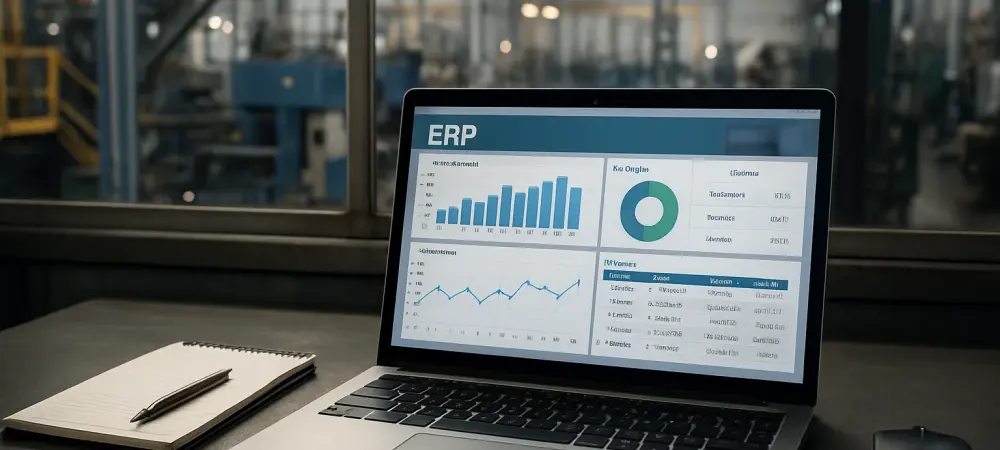
I’m thrilled to sit down with Dominic Jainy, an IT professional with a wealth of knowledge in artificial intelligence, machine learning, and blockchain, who brings a unique perspective to the world of enterprise resource planning (ERP) software. Today, we’re diving into the recent strategic moves by RUX Software, a rising star in ERP solutions for industrial equipment and commercial field services. Dominic offers deep insights into RUX’s acquisition of two major players in the Microsoft Dynamics community, the innovative strides they’re making with tailored solutions, and how these developments are set to reshape customer experiences and industry standards. Our conversation explores the motivations behind RUX’s launch, the intricacies of blending expertise from acquired companies, the push for specialized product offerings, and the vision driving their growth.
How did the vision for RUX Software come about, especially with its focus on industrial equipment and commercial field services?
The vision for RUX Software was born out of a clear gap in the market for ERP solutions that truly cater to the unique needs of industrial equipment and commercial field services. These industries deal with complex operations—think heavy machinery maintenance, field service scheduling, and intricate supply chains—that generic ERP systems often struggle to handle. The founders saw an opportunity to build a platform that not only addresses these pain points but also leverages cutting-edge technology like Microsoft Dynamics 365 Business Central to deliver seamless, industry-specific functionality. It’s about empowering businesses to operate with precision and reliability, which is critical in sectors where downtime can cost millions.
What sets these industries apart when it comes to needing specialized ERP solutions compared to other sectors?
Industrial equipment and commercial field services have distinct challenges that set them apart. For one, they often require real-time visibility into assets spread across multiple locations, whether it’s a piece of machinery on a factory floor or a technician in the field. There’s also a heavy emphasis on compliance, safety standards, and predictive maintenance to avoid costly breakdowns. Unlike retail or finance, where transactions might be the core focus, these industries need systems that integrate inventory, service management, and operational data into a single, cohesive workflow. That level of specificity demands ERP solutions engineered with their exact processes in mind, rather than a one-size-fits-all approach.
What led RUX to choose the two companies it recently acquired, and how did they stand out as the right fit?
RUX was looking for partners who not only had a strong foothold in the Microsoft Dynamics ecosystem but also shared their commitment to customer-centric, industry-focused solutions. The first company brought over 30 years of global ERP expertise, with a presence across North America, Europe, and APAC, and a reputation for customized, client-first implementations. The second offered a game-changing productivity suite with over 30 apps designed to enhance Dynamics 365 Business Central. Both had loyal client bases and proven track records, which aligned perfectly with RUX’s goal of building a robust, innovative platform. It was a strategic match—expertise and technology that could immediately elevate RUX’s market position.
Can you share some insights into how the acquisition process played out with these two firms?
The acquisition process was a deliberate, collaborative effort. It started with extensive due diligence to understand each company’s strengths, client relationships, and cultural fit with RUX’s vision. Negotiations focused on ensuring that the transition would preserve the trust both firms had built with their customers while aligning their teams under RUX’s broader strategy. There were detailed discussions about integrating their technologies and expertise into a unified offering. It wasn’t just about acquiring assets; it was about creating a stronger whole by blending their capabilities with RUX’s innovative drive. The process took time, but the emphasis on alignment made it a smooth integration.
How does combining the expertise and teams from these acquisitions strengthen RUX’s position in the market?
Bringing these teams together under RUX creates a powerhouse of talent and resources. You’ve got decades of ERP implementation experience from one side, paired with cutting-edge app development from the other, all built on the Microsoft Dynamics platform. This means RUX can now offer a more comprehensive suite of solutions—think tailored ERP systems enhanced by productivity tools that streamline day-to-day operations. It also expands their global reach, with teams already established in key regions. For customers, this translates to faster innovation, better support, and a partner that understands their industry inside and out. It’s a significant leap toward becoming a market leader.
What does the idea of ‘verticalized solutions’ mean for RUX, and how does it benefit customers in practical terms?
Verticalized solutions, in simple terms, are ERP systems and applications designed specifically for a particular industry’s needs, rather than a generic setup that tries to fit everyone. For RUX, this means building tools and workflows that directly address the challenges of industrial equipment and commercial field services—like managing field technicians, tracking equipment lifecycles, or automating maintenance schedules. For customers, this is a game-changer because they’re not wrestling with irrelevant features or clunky workarounds. Instead, they get a system that feels like it was built just for them, saving time, reducing errors, and boosting efficiency.
How will RUX ensure that the high service standards and trusted relationships of the acquired companies are maintained during this transition?
RUX is deeply committed to preserving the trust that clients have in the acquired companies. They’re taking a hands-on approach by keeping key team members from both firms involved in client-facing roles, ensuring continuity in relationships. There’s also a focus on transparent communication—clients are being kept in the loop about changes, timelines, and what they can expect. RUX is investing in training to align everyone with their service standards while maintaining the personalized touch that made these companies stand out. It’s about blending the best of both worlds without disrupting the customer experience.
What can customers look forward to in terms of new features or innovations from RUX in the coming months?
Customers can expect some exciting developments as RUX integrates the strengths of its acquisitions. There’s a push toward enhancing productivity tools, building on the app suite from one of the acquired companies, to make Dynamics 365 Business Central even more intuitive and powerful. Think features like advanced automation for field service tasks, deeper analytics for equipment management, and tighter integration across operations. RUX is also focusing on user-friendly interfaces to reduce training time. These innovations aim to tackle real pain points, making daily workflows smoother and more data-driven for their clients.
What’s your forecast for the future of ERP solutions in industrial equipment and commercial field services over the next few years?
I see ERP solutions in these industries becoming increasingly intelligent and interconnected. With advancements in AI and IoT, we’re moving toward systems that not only manage data but predict issues before they happen—think machinery alerting you to maintenance needs based on real-time sensor data. Cloud-based platforms like Microsoft Dynamics 365 Business Central will continue to dominate, offering scalability and remote access, which is critical for field services. I also expect a stronger focus on sustainability, with ERPs helping companies track and reduce their environmental footprint. For RUX and similar providers, the challenge will be staying ahead of these trends while keeping solutions accessible and tailored to specific industry needs.