

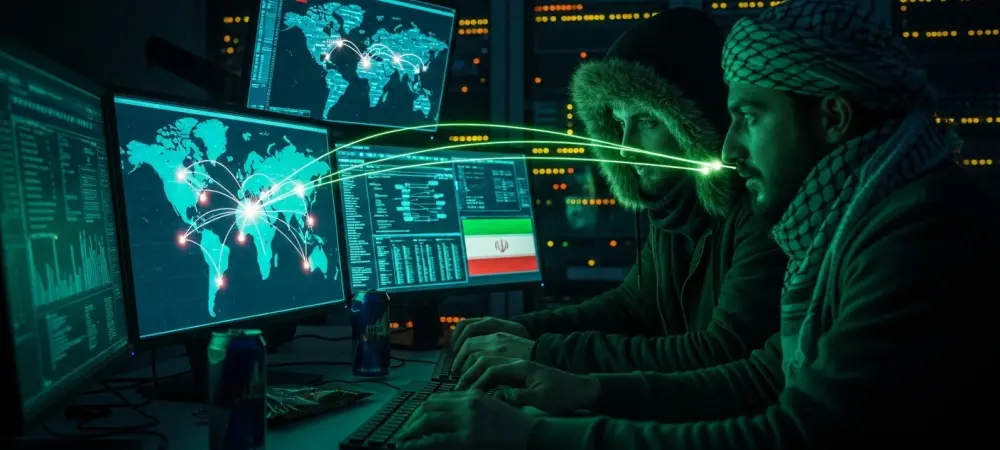
The increasing convergence of geopolitical tensions and digital warfare has forged an unprecedented and dangerous alliance between pro-Russian threat actors and Iranian-linked hacking collectives. This strategic but loose coalition has surfaced as a direct retaliatory response to military operations involving the United States and Israel, marking a new chapter in coordinated cyber aggression. Operating under the #OpIsrael banner, these synchronized groups prioritize striking critical infrastructure while simultaneously exfiltrating sensitive data to maximize psychological impact through public leaks. Unlike previous years when these actors operated in silos, the current landscape reveals a sophisticated level of synchronization that bypasses traditional defense mechanisms. By combining ideological fervor with technical expertise, these groups seek to destabilize Western interests and provoke uncertainty. This shift suggests that the boundaries between state-sponsored espionage and hacktivism are blurring, creating a volatile environment where digital strikes serve as extensions of physical maneuvers.
Mechanisms of the Modern Digital Alliance
Collaborative Assaults on National Infrastructure
A primary theme in this development is the unprecedented level of coordination between specific groups that previously shared little in common regarding their operational methodology. For example, the Cyber Islamic Resistance has joined forces with the prominent Russian group NoName057(16) to launch large-scale Distributed Denial of Service (DDoS) attacks against Israeli defense contractors and municipal governments. This partnership allows Iranian actors to tap into the massive botnet resources controlled by Russian entities, effectively amplifying the disruption caused by their campaigns. By saturating the networks of military suppliers, these groups attempt to disrupt the logistical chain and psychological morale of their adversaries. This synergy illustrates how ideological alignment can bridge the gap between different threat landscapes, creating a unified front that is far more capable than individual components. The sharing of attack tools and target lists represents a maturing strategy designed to overwhelm even well-defended networks.
The implications of such collaborations extend beyond simple network outages, as they signal a more permanent shift in how non-state actors engage in international conflict. When Russian expertise in service disruption meets Iranian state-linked strategic goals, the result is a persistent threat that can pivot quickly between different high-value targets. These coordinated efforts are not merely symbolic; they are designed to inflict real economic and operational costs on the targeted organizations. Defense contractors, in particular, face a dual threat where their public-facing services are crippled while internal systems are probed for vulnerabilities during the chaos. This distraction technique is a hallmark of the new coalition, where DDoS attacks serve as a smokescreen for more invasive procedures. Security analysts have noted that the frequency of these joint operations has increased significantly, suggesting that the logistical framework for this cooperation is becoming more institutionalized, allowing for rapid deployment.
Expansion of Geographic Proximity and Reach
Furthermore, the FAD Team has expanded the geographical scope of these operations by utilizing SQL injection attacks to compromise organizations globally, including educational institutions in France and India. This expansion indicates that while the primary motivation stems from the Middle Eastern conflict, the digital fallout is reaching various Western and international entities regardless of their direct involvement. By targeting educational sectors, these actors seek to exfiltrate intellectual property and personal data, which can be leveraged for future social engineering or sold on underground markets. The choice of targets in France and India demonstrates a willingness to strike any nation that maintains perceived ties or strategic partnerships with Western powers. This global reach is a concerning development for international security, as it suggests that no sector is entirely safe from the collateral damage of these regional disputes. The use of SQL injection remains a persistent and effective method for breaching dated databases.
Even local governments are not immune to these targeted strikes, as evidenced by a successful breach of a small municipal government in Pennsylvania. This specific incident highlights the vulnerability of local infrastructure that may not have the same level of cybersecurity investment as federal or corporate entities. By compromising a municipal network, hackers can gain access to sensitive citizen data, financial records, and even control systems for essential services. This serves a dual purpose: it causes immediate localized disruption and feeds the narrative of a globalized digital resistance. The FAD Team’s ability to pivot from academic targets in Europe to local government systems in North America showcases a high degree of versatility and opportunistic planning. This trend suggests that the coalition is actively scanning for vulnerabilities across a wide array of public and private sectors, waiting for the most impactful moment to strike. Such incidents serve as a wake-up call for entities.
Evolutionary Tactics in Hostile Environments
Leveraging Russian Cybercrime Ecosystems
A significant trend identified by researchers is the reliance on the Russian cybercrime ecosystem to bypass domestic Iranian limitations caused by infrastructure challenges. Currently, Iran is suffering from a severe internet blackout, with connectivity reportedly dropping to less than four percent of its normal capacity due to internal disruptions. To maintain an operational tempo despite these hurdles, Iranian proxies are allegedly purchasing compromised access from initial access brokers on prominent Russian forums such as XSS and Exploit. This allows Iranian state-linked actors to outsource the entry phase of a hack, enabling them to conduct opportunistic attacks despite their local connectivity issues. By utilizing pre-compromised credentials or backdoors established by Russian cybercriminals, Iranian hackers can launch attacks from within the target’s own geographic region or via infrastructure that is already trusted. This hybrid model of state-sponsored activity and commercial cybercrime creates a highly resilient threat.
This outsourcing model represents a pragmatic evolution in Iranian cyber strategy, moving away from a purely domestic infrastructure to a more distributed and clandestine network. By participating in the Russian underground economy, these actors gain access to high-quality exploits and stolen data that would otherwise require months of reconnaissance to obtain. This relationship is mutually beneficial; Russian brokers receive financial compensation, while Iranian groups gain the ability to strike global targets without being hindered by their own nation’s digital isolation. The fusion of Russian cybercrime resources and Iranian geopolitical motivations creates a volatile environment for global critical infrastructure. Experts warn that this collaboration could lead to more frequent and sophisticated attacks, as the barriers to entry for state-aligned actors are lowered by the availability of high-end cybercrime tools. The reliance on these forums indicates a shift toward a more agile and interconnected threat landscape.
Vulnerabilities in Targeted Domestic Sectors
The consensus among cybersecurity experts from firms like Unit 42 and Check Point Software is that while the technical impact has remained relatively limited, the trend is escalating. A major concern for United States national security is the vulnerability of soft targets within critical infrastructure that often lack robust defense budgets. Experts warn that smaller organizations, such as local water systems or healthcare providers, are particularly at risk because they frequently operate on legacy software and lack dedicated security teams. These entities are essential for daily life but are often the least prepared to fend off state-aligned actors who have the time and resources to exploit minor weaknesses. While groups like Health-ISAC report no specific, credible sector-wide warnings at this time, the historical capability of Iranian-linked groups to target infrastructure suggests that the potential for a high-visibility success remains a significant and ongoing risk for these sectors.
The psychological impact of targeting these essential services is often more significant than the actual technical damage, as it undermines public confidence in the safety of basic utilities. Hackers understand that disrupting a local water supply or encrypting healthcare records generates far more media attention and social anxiety than a standard data breach at a private corporation. This makes soft targets ideal for groups looking to maximize their perceived influence with minimal technical effort. Furthermore, as the coalition of Russian and Iranian actors matures, the likelihood of more sophisticated multi-stage attacks on these sectors increases. Security professionals recommend that these smaller organizations begin prioritizing basic security hygiene, such as multi-factor authentication and regular patch management, to mitigate the risks posed by these opportunistic threat actors. The current environment necessitates a proactive approach to defense that extends beyond the traditional boundaries of federal and corporate security protocols.
Strategic Responses to Coordinated Threats
To mitigate the risks posed by this evolving digital alliance, organizations had to move beyond reactive security measures and adopt a proactive stance centered on threat intelligence sharing and hardened defense architectures. One of the most effective steps was the implementation of zero-trust security models, which ensured that every access request was strictly verified regardless of its origin. This proved particularly useful in defending against initial access brokers who sold stolen credentials on Russian forums. Additionally, municipal governments and healthcare providers began forming regional cybersecurity cooperatives to pool resources and share information about emerging threats in real-time. By investing in automated threat detection and response systems, these entities reduced the window of opportunity for hackers to exploit SQL injection or DDoS vulnerabilities. Strengthening international cooperation between law enforcement agencies also helped in tracking the financial transactions on cybercrime forums, making it more difficult for Iranian actors to purchase access. These combined efforts were essential for maintaining the resilience of critical infrastructure against a unified and aggressive adversary.