

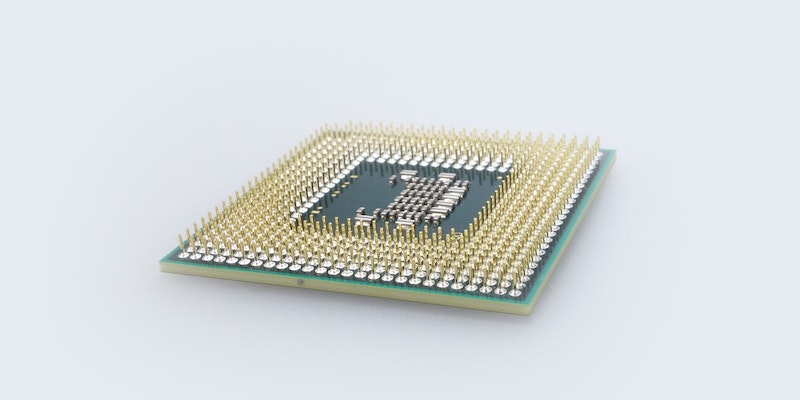
As the summer months approach, rumors from a reliable source in China indicate that things may seem quiet for CPU and GPU enthusiasts, but anticipation is building for the latter part of the year. An intriguing rumor has emerged, hinting at Intel’s plans to launch its highly anticipated Raptor Lake refresh in October. This rumored refresh is expected to bring substantial upgrades compared to its predecessors, promising an exciting lineup for tech enthusiasts and professionals alike.
Intel’s Raptor Lake Refresh
According to the rumor mill, Intel is set to unveil its Raptor Lake refresh in October. This refresh, rather than merely offering marginal clock speed improvements, is anticipated to introduce a notable boost in core count for at least one CPU within Intel’s lineup. This move demonstrates Intel’s commitment to enhancing performance and catering to the ever-increasing demands of modern computing.
Promising Core Count Boost
Sources familiar with the matter suggest that the Core i7-13700K, a popular model, will undergo significant upgrades. Enthusiast Citizen, a notable authority in the tech community, suggests that the forthcoming 14th Gen version of the Core i7-13700K will feature an enhanced configuration. While the existing model boasts eight performance and eight efficiency cores, the refreshed version is expected to incorporate four additional E-cores, resulting in an impressive 8+12 configuration. This upgrade will bring the core count to 28, compared to the current 24.
Launch Timeline and Confirmation
The aforementioned reliable source from China points to “week 42” as the target launch window for Intel’s Raptor Lake refresh, corresponding to October 16-22. While Intel has not officially confirmed this launch timeframe, the source’s track record adds weight to the rumor. Additionally, Intel’s operations in China have reportedly acknowledged the upcoming refresh, further fueling excitement among tech enthusiasts worldwide.
No High-End Surprises from AMD
In contrast to Intel’s rumored Raptor Lake refresh, there are currently no whispers about AMD launching any new products this year, particularly in the high-end segment. While AMD’s existing lineup remains strong and competitive, the absence of new releases suggests that they may be focusing on refining their current offerings rather than introducing new flagship CPUs.
BIOS Updates for Revamped i7 Chip
Interestingly, the rumor suggests that only the revamped Core i7 chip will require an updated BIOS from motherboard manufacturers, making it a slight departure from the drop-in upgrade approach expected for the rest of Intel’s lineup. This implies that enthusiasts seeking enhanced performance with the Core i7-13700K may need to ensure that their motherboards are compatible with the updated BIOS before embarking on any upgrades.
Future Socket and Chipset
It is worth noting that Intel will continue to utilize its LGA 1700 socket for the Raptor Lake refresh. However, whispers in the industry suggest that Intel has plans for an all-new socket and chipset in 2023, codenamed Arrow Lake, which will serve as the official replacement for the current socket. This potential transition highlights Intel’s commitment to consistently evolving and pushing boundaries to meet the needs of the ever-advancing technology landscape.
Anticipation Builds
While these rumors pique the interest of tech enthusiasts and professionals, it is important to remember that they are not yet confirmed. However, Intel’s acknowledgement of a Raptor Lake refresh lends credibility to the rumors, adding to the excitement surrounding potential upgrades to their CPU lineup. As we eagerly anticipate more details and developments, it is clear that the latter part of the year holds promise for an exhilarating future in the CPU market.
As we approach summer, the CPU market seems relatively quiet, but whispers from a reliable source in China suggest that Intel is preparing to make a significant splash in October. With the rumored Raptor Lake refresh, Intel aims to deliver a lineup that goes beyond modest improvements, potentially featuring notable upgrades in core count. Although AMD has not hinted at any high-end releases this year, Intel’s rumored plans have sparked great anticipation among enthusiasts. While we await concrete confirmation and more details, one thing is certain—the latter part of the year holds the promise of an exciting era for CPUs.