

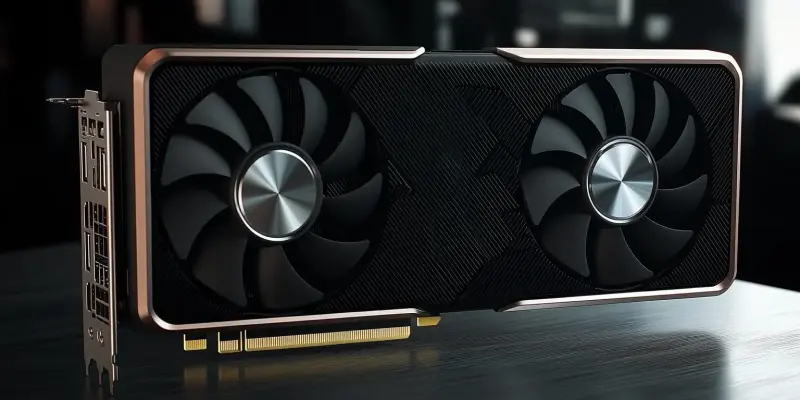
In an unexpected turn of events, Nvidia’s highly praised GeForce RTX 5090 graphics card is facing significant scrutiny following reports of power connector failures leading to melted connectors.This issue has surfaced through various user accounts, with one detailed case documented by a Reddit user named Roachard. Despite Nvidia’s assurances of improved resilience against heating issues compared to prior models,these incidents have cast doubt on those claims, particularly given the high cost and expected reliability of the RTX 5090.
User Experiences and Hardware Specifications
Reddit user Roachard shared a detailed account of the power connector failure on their RTX 5090, despite utilizing original manufacturer cables instead of custom alternatives.Extensive images provided by Roachard vividly displayed severe melting of the plastic surrounding the power connector, with visible damage apparent on both the GPU port and the PSU side. Their setup was comprised of premium components, including an AMD Ryzen 7 9800X3D CPU, an Asus ROG Strix B650E-I motherboard, and a Corsair SF1000L PSU, along with an MSI 5090 Gaming Trio OC graphics card.The quality of these components further highlights the unexpected nature of the hardware failure in such a high-end configuration.
The incident has sparked a broader conversation among the tech community about the reliability and safety of the RTX 5090’s power connectors. While Roachard’s case is one of the more detailed accounts, others have begun to report similar issues, raising concerns over whether this is an isolated problem or indicative of a larger, more systemic issue.The financial implications of such failures are substantial, given the premium price point of the RTX 5090, and the inconvenience caused by the need to revert to older hardware during repairs or replacements compounds the frustration for affected users.
Industry Reactions and Manufacturer Responses
Industry observers and tech enthusiasts express increasing concern about the implications of such failures in Nvidia’s flagship GPU. Given the high cost and the promised durability,the melting connectors are a significant letdown for consumers who have invested heavily in top-tier components. The backlash has prompted calls for Nvidia to address these issues transparently and swiftly, ensuring customer trust and satisfaction are maintained.Nvidia’s previous assertions that the RTX 5090 is more resilient to heating issues than earlier models are now under scrutiny. The company had marketed the GPU extensively based on its advanced thermal management and efficiency. However, incidents like these undermine those claims, causing skepticism among the user base and potential buyers.It poses a reputational risk for Nvidia, as continued reports of power connector failures could deter future purchases and shift loyalty to competitors offering seemingly more reliable alternatives.
The industry consensus is evolving, with some experts suggesting that manufacturing inconsistencies or design flaws could be at play. Others propose that improper installation or external factors might contribute, although cases like Roachard’s—using all original and recommended components—make this explanation less likely.Whatever the cause, the demand for a thorough investigation and a permanent resolution is growing stronger.
Future Considerations and Resolution
In a surprising development,Nvidia’s much-celebrated GeForce RTX 5090 graphics card is now under intense scrutiny after multiple reports surfaced detailing power connector failures that have resulted in melted connectors. These alarming accounts have been shared by various users, including one particularly detailed report by a Reddit user named Roachard. Nvidia had previously assured consumers that the RTX 5090 would feature enhanced resilience against heating problems, compared to its predecessors.However, the recent incidents are casting serious doubt on these assurances. Given the high price and the anticipated reliability of the RTX 5090, these power connector issues are particularly concerning.This situation is prompting users to question the quality and dependability of one of the most expensive graphics cards on the market. Nvidia will need to address these concerns promptly to maintain user trust and uphold its reputation in the competitive graphics card industry.