

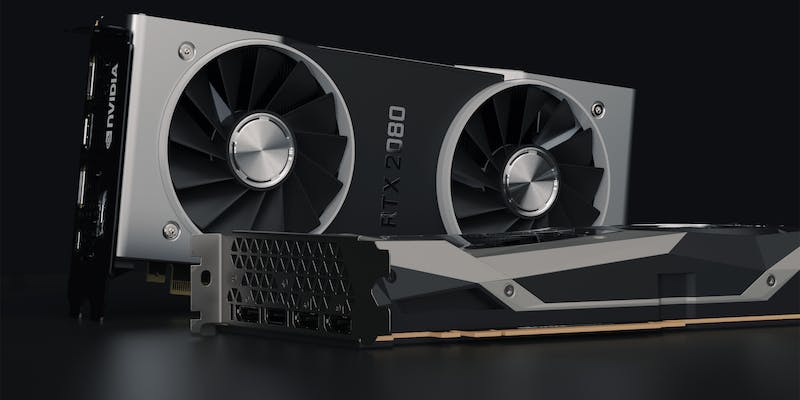
In the highly competitive world of graphics cards, the recent launch of the RTX 4070 Ti SUPER GPU has made waves in the market. Within its first week, this powerful GPU has emerged as the best-selling option among the entire RTX 40 family, surpassing the sales of the RTX 4060 Ti and garnering the attention of gamers worldwide. In this article, we will delve into the sales performance of both NVIDIA and AMD, comparing the success of the RTX 40 series with the AMD Radeon RX 7000 GPUs.
NVIDIA vs AMD: Sales Performance
Data from MindFactory, Germany’s largest retailer, reveals an interesting shift in sales. The NVIDIA GeForce RTX 40 GPUs have managed to outperform the AMD Radeon RX 7000 GPUs, indicating a significant preference for NVIDIA’s offerings. However, it is important to note that the RX 7800 XT still holds its ground as the best-selling GPU, with a commendable figure of 500 units sold throughout the week, compared to the 400 units sold for the RTX 4070 Ti SUPER.
Success of NVIDIA’s graphics cards
Aside from the impressive sales of the RTX 3070 Ti SUPER, the RTX 3060 Ti and RTX 3070 series have also garnered attention and achieved notable sales figures. This success can be partly attributed to price reductions offered by certain retailers, making these graphics cards more accessible to a wider range of users. The combination of competitive pricing and powerful specifications has contributed to NVIDIA’s dominance in the market.
Key features and reception of the RTX 4070 Ti SUPER
One of the defining features of the RTX 4070 Ti SUPER is its upgraded specifications, particularly the impressive 16GB VRAM. In our comprehensive review, we found that this addition brings significant performance benefits, enhancing gaming experiences and enabling smoother graphics rendering. The reception of the GPU has been overwhelmingly positive, with gamers appreciating the improved capabilities and the value it offers in comparison to its competitors.
Comparison with the RTX 4070 SUPER
Interestingly, the RTX 4070 Ti SUPER has received far better reception than its sibling, the RTX 4070 SUPER. This reinforces the notion that gamers are highly interested in the upgraded specifications and improved performance of the Ti variant. The distinctiveness of the Ti model and the enhancements it brings to the table have solidified its position as the preferred choice among consumers.
Top-selling status and popularity of the RTX 4070 Ti SUPER
The RTX 4070 Ti SUPER has managed to claim the top spots in the “Best Seller” GPUs list for several days since its launch. This is a testament to the strong demand from gamers eager to get their hands on this groundbreaking graphics card. The combination of superior performance and a competitive price has undoubtedly contributed to its popularity.
Weak Performance of AMD’s Radeon RX 7600 XT
Unfortunately, AMD’s Radeon RX 7600 XT hasn’t fared as well in terms of sales. Despite doubling the VRAM and hitting the market with a $329 price point, the GPU has struggled to gain traction among consumers. However, the graphics card is likely to benefit from price adjustments in the coming months, which may make it a more appealing option for those seeking a budget-friendly solution.
Future prospects for the RTX 4070 Ti SUPER and RX 7600 XT
With the market continuously evolving, it is expected that both the RTX 4070 Ti SUPER and RX 7600 XT will undergo price adjustments in the coming months. These adjustments have the potential to reshape the sales landscape and attract a wider customer base. As gamers become more aware of the value proposition offered by these GPUs, it is likely that their sales figures will improve and they will evolve to meet consumer demands.
As we reflect on the first week of GPU launches from NVIDIA and AMD, it is clear that the RTX 4070 Ti SUPER has emerged as a sales powerhouse. With its superior specifications and outstanding performance, it has captivated the attention of gamers and claimed the top spot in sales. While AMD’s Radeon RX 7600 XT may not have experienced the same level of success, there is still potential for improvement. With price adjustments in the pipeline, the GPU may become a more viable solution for budget-conscious consumers. As the market continues to evolve, it will be interesting to see if these sales figures persist or gradually slow down over time.