

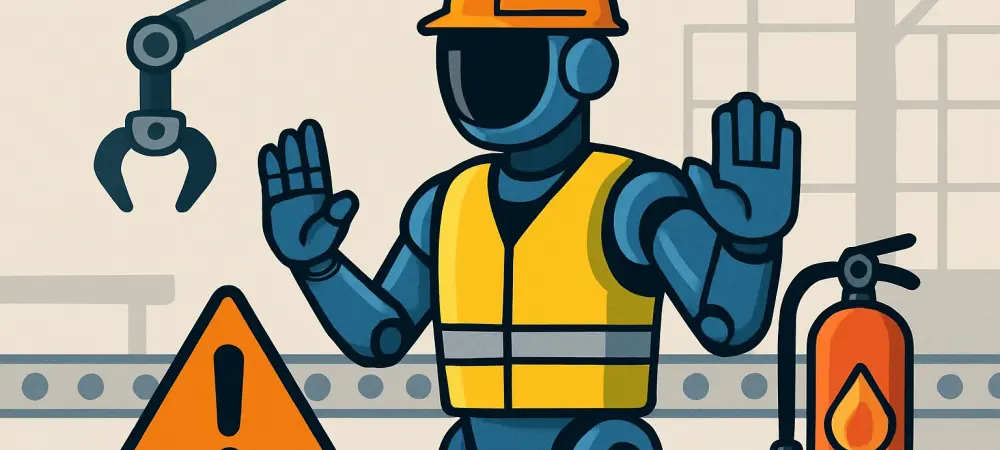
Imagine a bustling factory floor where robotic arms tirelessly assemble intricate components at lightning speed, revolutionizing efficiency in high-tech industries like automotive manufacturing, while also highlighting a critical concern. Beneath this marvel of automation lies a stark reality: a single malfunction can lead to catastrophic injuries for human workers, emphasizing the urgent need for robust safety measures. This scenario underscores the pressing need to evaluate the safety mechanisms embedded in robotic systems, a technology that promises innovation but demands rigorous oversight to protect those who operate alongside it.
Evolution of Robotics in Industrial Environments
Robotic systems have reshaped industrial landscapes by automating repetitive and hazardous tasks, significantly boosting productivity in sectors such as automotive production. Their precision and endurance allow for round-the-clock operations, minimizing human error and maximizing output. However, this transformation has introduced complex interactions between humans and machines, necessitating a deeper look into how safety keeps pace with technological advancements.
The reliance on robotics has surged, with many companies integrating these systems into core operations to stay competitive. This growing dependency highlights a critical gap: while efficiency soars, the potential for accidents looms large if safety protocols lag behind. Ensuring that automation does not come at the cost of human well-being remains a paramount concern for industry leaders.
Key Safety Features and Performance Analysis
De-Energization and Lockout/Tagout Mechanisms
A cornerstone of robotic safety lies in de-energization processes, designed to prevent unexpected machine activation during maintenance or repair activities. These procedures ensure that power sources are fully disconnected, mitigating risks of sudden movements that could endanger workers. Performance assessments reveal that when properly implemented, such measures drastically reduce incident rates in automated settings.
However, gaps in adherence to lockout/tagout protocols often surface as a primary cause of accidents. High-profile cases have exposed instances where failure to secure machinery led to severe consequences, pointing to inconsistent training and oversight. Addressing these shortcomings is essential to bolster the reliability of safety systems in dynamic factory environments.
Safeguards for Human-Machine Collaboration
Human-robot interaction safeguards, including advanced sensors and emergency stop functions, form another vital layer of protection. These technologies detect human presence and halt operations to avoid collisions, while physical barriers further isolate dangerous zones. Their role in minimizing injuries during collaborative tasks cannot be overstated, as they bridge the gap between automation and human safety.
Despite their importance, the effectiveness of these safeguards varies across real-world applications. Inadequate sensor calibration or delayed response times have occasionally undermined their protective capacity, resulting in preventable harm. Continuous refinement of these systems, alongside regular performance evaluations, is necessary to ensure they meet the demands of evolving workplace dynamics.
Emerging Trends and Innovations in Safety Practices
Recent advancements in robotic safety have introduced cutting-edge sensor technologies that enhance risk detection with unprecedented accuracy. These tools, paired with AI-driven risk assessment platforms, enable predictive identification of potential hazards before they escalate. Such innovations mark a significant step toward proactive rather than reactive safety management in automated industries.
Additionally, updated industry standards and heightened regulatory scrutiny reflect a shift in accountability following notable accidents. Companies now face stricter compliance requirements, pushing them to prioritize safety in design and operation phases. This evolving landscape suggests a growing recognition of the need to integrate robust protective measures from the ground up.
Corporate responsibility has also come under the spotlight, with public and legal pressures mounting after incidents in high-profile facilities. This trend indicates that manufacturers must not only adopt new technologies but also foster a culture of safety to maintain trust and operational integrity. The momentum toward comprehensive safety frameworks continues to build as a result.
Real-World Impact: Case Studies and Incidents
In automotive manufacturing, where robotic systems dominate production lines, safety lapses have led to significant repercussions. Factories deploying extensive automation often encounter unique challenges in ensuring worker protection during routine interactions with machinery. These environments serve as critical testing grounds for evaluating the practical effectiveness of safety protocols.
A notable incident at Tesla’s Fremont Factory on July 22, 2023, involved a worker, Peter Hinterdobler, who sustained severe injuries from a malfunctioning robotic arm during disassembly. This accident, attributed to improper de-energization, resulted in a $51 million lawsuit, spotlighting systemic flaws in safety execution and the high human cost of oversight failures. Another case at Tesla’s Gigafactory in Austin, Texas, in 2021, saw an employee pinned by a robot, further illustrating recurring risks in highly automated settings. These events underscore the urgency of addressing technical and procedural gaps to prevent similar occurrences. They also highlight the broader implications for industry practices when safety measures fall short.
Challenges Hindering Effective Safety Implementation
Technical issues, such as improper de-energization, remain a persistent obstacle in robotic workplace safety. Machinery that is not fully powered down poses immediate threats during maintenance, often due to rushed procedures or inadequate checks. Resolving these issues requires a meticulous approach to system design and operational discipline.
Beyond technical hurdles, insufficient training for workers exacerbates risks in automated environments. Many employees lack comprehensive instruction on interacting with complex robotic systems, leading to errors that could be avoided with proper education. Bridging this knowledge gap is crucial for fostering a safer workplace culture.
Systemic challenges, including regulatory inconsistencies and legal complexities, add another layer of difficulty. The $51 million lawsuit against Tesla exemplifies how safety failures can spiral into reputational and financial crises for companies. These broader consequences emphasize the need for cohesive policies that align with technological advancements to protect all stakeholders.
Looking Ahead: The Future of Robotic Safety
The horizon for robotic workplace safety holds promise with potential breakthroughs in predictive maintenance technologies. These systems aim to anticipate equipment failures before they occur, reducing the likelihood of accidents caused by unexpected malfunctions. Their integration could redefine how industries approach risk management over the coming years.
Stricter regulatory frameworks are also anticipated, driven by legal precedents and public demand for accountability. From the current year onward, policies are likely to evolve with a sharper focus on enforcing compliance and standardizing safety practices across sectors. This shift may compel manufacturers to prioritize worker protection as a core operational value.
Moreover, the long-term impact of high-profile incidents and lawsuits will likely shape corporate strategies in automation-heavy industries. Companies might invest more in safety innovations and training programs to mitigate risks and rebuild trust. This trajectory suggests a future where technology and human well-being are more harmoniously aligned.
Final Reflections and Path Forward
Looking back, the review of robotic workplace safety revealed a technology brimming with potential yet fraught with significant risks when safeguards faltered. Incidents like those at Tesla’s facilities exposed critical vulnerabilities, from technical oversights to training deficiencies, that demanded urgent attention. The analysis painted a clear picture of an industry at a crossroads between innovation and responsibility.
Moving forward, stakeholders must commit to actionable solutions, such as investing in advanced predictive tools and comprehensive worker education programs. Collaboration between regulators, manufacturers, and technology developers should be prioritized to establish universal safety benchmarks. By addressing these areas, the industry can pave the way for a safer integration of robotics, ensuring that progress does not come at the expense of human lives.