

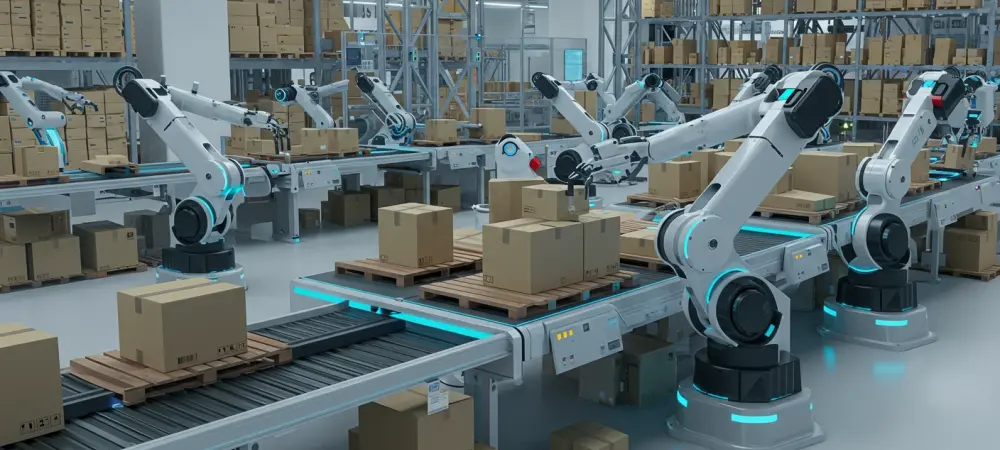
In an era where efficiency is paramount, businesses face the pressure to streamline operations without compromising quality or speed. The optimization of robotic fleets stands out as a breakthrough in logistics and automation, presenting an opportunity to bridge this gap. With robotics rapidly transforming industries by automating workflows and enhancing performance metrics, the question is: How is robotic fleet optimization reshaping today’s industrial landscape, and what future potential does it hold?
Understanding Robotic Fleet Optimization
At its core, robotic fleet optimization encompasses the strategic deployment and management of automated robots to perform tasks previously handled by humans. With the integration of artificial intelligence and machine learning, these robots are equipped with the ability to self-navigate and adapt to dynamic environments. Emerging against the backdrop of increased demand for faster and more reliable logistics solutions, this technology underscores a pivotal shift in managing supply chains and warehouses. The impact has been monumental, elevating the functional capabilities of automated systems and establishing a new norm in operational efficiency. As businesses seek ways to scale operations effectively, robotic fleet optimization has become increasingly relevant. By reducing human error and maximizing resource use, this technology enhances responsiveness and consistency across logistics platforms. This development plays a critical role in reinforcing production pipelines and ensuring timely deliveries, marking its significance in the expanding digital economy.
Key Features and Components
Intelligent Traffic Management Systems
One of the backbone components of robotic fleet optimization is the intelligent traffic management system. This system orchestrates the movements of robots within a facility, significantly boosting operational efficiency. By employing real-time data analytics, robots are guided to avoid collisions, reduce congestion, and optimize routes. This traffic coordination directly impacts operational throughput by minimizing downtime and facilitating a more streamlined and uninterrupted workflow.
Performance evaluation of these systems reveals their immense contribution to cost savings and operational precision. As more businesses adopt this technology, the emphasis on intelligent management within robotic fleets underscores their significance in today’s automated ecosystems. The findings point to a future where such systems form the foundation for robotic interactions in confined spaces.
Continuous Learning Algorithms
Continuous learning algorithms are transformative, offering robots the ability to learn from past interactions and improve their future operations. This adaptive aspect ensures that robotic fleets can autonomously enhance their readiness and problem-solving abilities over time. With every iteration, these algorithms refine their operational strategies, contributing to better decision-making and reducing reliance on human intervention. The practical implementation of these algorithms can be seen in environments that demand the utmost precision and adaptability. From warehouses that temporarily reconfigure layouts to handling unexpected demand spikes, these adaptive systems enable robotic fleets to maintain peak performance under varying conditions. Over time, such self-improving capabilities are set to redefine the potential of automated systems.
Latest Developments
Recent developments in robotic fleet optimization reflect a surge in innovations aimed at refining these technologies. The introduction of Amazon’s innovative DeepFleet model, a generative AI system, exemplifies the rising trend of integrating AI to elevate robotic fleet performance. Innovations like DeepFleet, designed to optimize robotic fleet movements by enhancing efficiency by 10%, underscore the synergy between AI and robotics. By leveraging advanced tools like Amazon SageMaker, these models play a significant role in enhancing travel efficiency and revolutionizing navigation strategies within fulfillment spaces.
Furthermore, market trends indicate a growing interest in implementing such technologies on a broader scale. Industry executives emphasize the need to move beyond traditional systems and integrate AI-driven solutions to meet the evolving demands of global consumers. This shift hints at an imminent transformation, with AI-enhanced robotics becoming predominant in various sectors, revolutionizing how logistics are managed.
Real-World Applications
Robotic fleet optimization finds applications across multiple industries, revolutionizing the way tasks are executed in logistics and beyond. In the e-commerce sector, companies like Amazon deploy these technologies to streamline operations, ensuring quick and efficient product deliveries. Robotic fleets operate within fulfillment centers, drastically reducing the time taken from order placement to dispatch.
Additionally, healthcare logistics benefit significantly as these optimized robotic fleets help transport medical equipment and supplies precisely and timely. Similarly, manufacturing industries find value in robotic fleets by aligning with production lines to automate routine tasks, minimizing risks, and maximizing output. This broad spectrum of applications accentuates the pivotal role played by robotic fleet optimization across industry verticals.
Challenges and Limitations
Despite its transformative potential, robotic fleet optimization is not without its challenges. One significant hurdle is the technological complexity involved in achieving seamless integration and operation. Optimizing these fleets often demands significant infrastructural changes, which can be expensive and daunting for companies with less flexible existing facilities. Moreover, as AI technology advances, privacy and data security issues become a growing concern. Ensuring the safe and effective deployment of fleets without infringing on privacy or risking data breaches remains paramount.
Market obstacles further complicate adoption, with regulatory considerations potentially impacting large-scale deployment. While the technology promises substantial benefits, companies must navigate compliance with safety standards and ensure that the robots operate within prescribed legal frameworks. Balancing these concerns with the need for innovation represents a significant challenge that this emerging technology must navigate.
Future Outlook
The trajectory of robotic fleet optimization indicates a promising future, with advancements poised to overcome existing limitations and unlock new potentials. Experts anticipate further integration of AI-driven solutions, broadening the capabilities of robotic fleets to undertake even more complex tasks. This evolution would pave the way for fully autonomous operations, fundamentally reshaping logistics and supply chain landscapes.
Moreover, technological breakthroughs are expected to enhance robot-human collaboration, creating hybrid systems where interaction between employees and robots is fluid and synergistic. As research and development continue to push boundaries, the possibility of fully resilient, adaptive robotic fleets becomes increasingly viable, holding transformative potential for industries globally.
Conclusion
In recent years, robotic fleet optimization has emerged as a transformative force within industrial landscapes, offering a blend of efficiency and reliability vital for modern economic demands. The convergence of AI and robotics has considerably heightened operational standards, driving unprecedented advancements in operational efficiency. While challenges persist, such as technological complexity and regulatory concerns, innovations like intelligent traffic systems and continuous learning algorithms indicate substantial progress. The era ahead holds great promise for continued evolution in robotic fleets. As the interplay between innovation and market needs intensifies, further developments will undeniably shape the future of automation, facilitating entirely new paradigms in logistics and beyond. This transformative journey will ultimately define the contours of industrial progress in the coming years.