

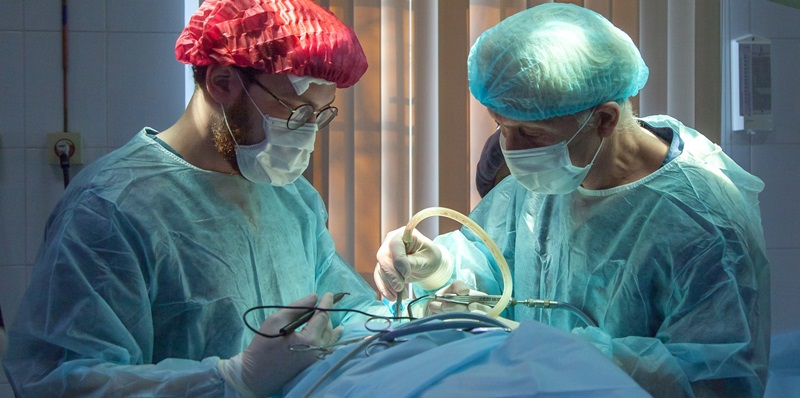
Crafted by a collaboration of physicians and engineers at Boston University, this device boasts shape-shifting capabilities, enabling it to navigate intricate anatomical structures within the heart while ensuring stability to achieve surgical goals. With the aim of improving cardiac surgeries, the researchers have developed a robotic catheter that holds significant potential for revolutionizing the field.
Potential benefits of the robotic catheter
The researchers showcased the robot’s efficacy in aiding two simulated cardiac procedures using animal tissue, positing that with continued refinement, this robotic catheter holds the potential to significantly enhance safety and reduce the strain of numerous routine heart surgeries. By using the robotic catheter, surgeons could achieve better surgical outcomes and improve overall patient care.
Focus on patient safety in design
Patient safety was carefully considered during the design phase of the robotic catheter. The integration of various robotic features allows the device to navigate the complex and risky environment of the heart. This creative approach ensures that the catheter can operate efficiently and securely, minimizing the potential risks associated with cardiac surgeries.
Limitations of Open-Heart Surgeries
In the United States, a considerable number of cardiac procedures performed today involve open-heart surgeries, providing surgeons with a high level of control. However, these surgeries come with extended recovery periods and may not be viable for high-risk patients. The development of the robotic catheter provides an alternative solution that can reduce the need for open-heart surgeries, especially for patients who may not be eligible candidates for such procedures.
Challenges with existing instruments
Existing instruments, designed to fit through peripheral veins, are easily displaced by the beating heart tissue due to their size and lack of necessary dexterity for precise targeting. The limitations of these instruments have led to the need for more advanced technologies, such as the robotic catheter developed by Professor Tommaso Ranzani and his team at Boston University.
The development of the robotic catheter
To address the challenges posed by existing instruments, Professor Tommaso Ranzani and his team at Boston University developed a robotic system with adaptive qualities. The researchers engaged in meticulous planning and design considerations to create a device capable of navigating the intricate structures of the heart while ensuring stability throughout the surgical procedure.
Features of the Robotic Catheter
The robotic catheter features a flexible, air pressure-operated tip that is thin enough to navigate veins but capable of inflating once inside the heart. This innovative design allows the catheter to adapt to the heart’s anatomy with ease. Moreover, an expandable ring deploys near the heart’s entrance, anchoring the catheter in place and enhancing stability during the procedure.
Functionality of the Robotic Catheter
With the inflatable tip and stabilizing mechanism, the researchers aimed to enable the catheter to exert sufficient force to penetrate beating heart tissue without being pushed back. This technology allows surgeons to navigate the intricacies of the heart with precision, making it possible to target specific areas for surgery. Subsequently, the catheter can retract both its stabilizer and tip for a smooth exit from the heart, further improving the safety and efficiency of the procedure.
Future plans and promising outcomes
Encouraged by the positive outcomes of their robotic catheter system, the researchers plan to advance the technology further by conducting live experiments on more complex procedures. Through continued development and refinement, they aim to reduce reliance on taxing open-heart surgeries. The promising results of the robotic catheter have sparked enthusiasm among physicians working in the field, with the potential for a wide range of applications for this innovative technology.
The development of the robotic catheter at Boston University marks a significant advancement in the field of cardiac surgery. By combining the expertise of physicians and engineers, this device offers shape-shifting capabilities and improved stability, ultimately enhancing surgical precision and patient safety. As the technology continues to progress, it holds the promise of reducing the need for open-heart surgeries and improving outcomes for patients worldwide.