

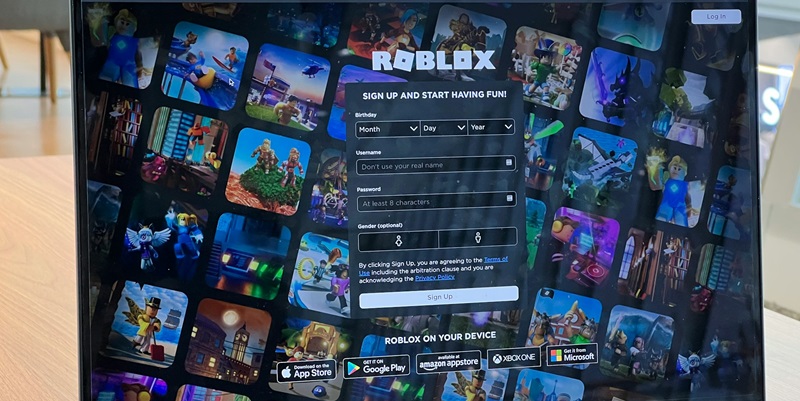
The digital realm is constantly evolving, and unfortunately, this includes a marked rise in cybercrime, especially within the gaming industry. Over the past three years, spanning from 2021 to 2023, the gaming space has felt the tremors of increased security breaches. These incidents have led to the exposure of a vast number of gaming accounts, propelling concerns for gamers and developers alike. A notable example of this worrying trend can be observed with the gaming platform Roblox, which experienced an alarming 231% spike in user account compromises. This stark increase serves as a testament to the growing threat that cybercriminal activities pose to the safety and integrity of online gaming environments. As these platforms continue to attract millions of users, the challenge of fortifying digital defenses against such incursions becomes increasingly paramount, highlighting the need for robust security measures to safeguard user data in the ever-shifting landscape of online gaming.
A Disturbing Trend
Account Compromises Escalate
In a worrying development for the online gaming world, Roblox user security breaches have soared, with compromised accounts hitting 34 million, up from 10 million over three years. This sharp increase is emblematic of a wider security crisis affecting the industry. Kaspersky’s findings highlight similar cyberattack surges on other big names like Twitch, Electronic Arts, and Sony PlayStation, with average victim numbers spiking 112%.
This alarming trend has set off warning bells regarding the need for tighter security protocols across gaming platforms. As cyber threats evolve, companies are pressed to adopt more sophisticated measures to protect user data. The specifics of how the breaches occurred are not detailed here, but the implications are clear: gaming platforms must urgently enhance their defenses to safeguard user information against the growing tide of cyber threats. Without prompt action, the trust and integrity of the gaming community are at serious risk.
Cybercriminals’ Tactics
Cybercriminals employ cunning tactics to trap users, often using cheat codes or hiding dangerous links in popular online content, like YouTube. These deceptions prey on the trust of young gamers, a demographic that frequently browses these channels. Their strategies aren’t just scattergun approaches; they target platforms where transactions involving real money are common, such as Steam, with the aim of financial theft. Roblox, despite not being centered around direct money trades, is still a hotbed for these criminals, who target the theft of in-game currency and valuable items. Kaspersky’s research underscores the ongoing necessity for vigilance – from both the gaming community and the platforms on which they play. It’s a reminder that in the virtual world of gaming, real-world risks are ever-present, and staying alert is crucial to ensure cyber safety.
Prevention and Protection
Empowering Users
To mitigate cyber threats, security experts insist on several essential measures. Strong, unique passwords for each online service are paramount, and using two-factor authentication adds an additional layer of security. Equally crucial is the use of trusted security software to safeguard digital assets.
As cybercriminals’ methods grow more complex, it’s imperative for individuals to proactively secure their online accounts. This responsibility includes being vigilant about safeguarding personal information and being aware of the risks associated with digital activities.
Understanding the importance of “digital hygiene”—regularly updating passwords, avoiding suspicious links or downloads, and monitoring account activity—is a critical line of defense against cyber intrusions. By adopting these practices, users can significantly reduce the likelihood of falling victim to account breaches. It’s a proactive strategy for ensuring one’s digital security in an ever-evolving threat landscape.
Platform Responsibilities
Online gaming platform owners share the responsibility for safeguarding users against cyber threats alongside the players themselves. Implementing strong security measures is not a luxury; it’s a necessity to maintain user confidence. Operators must continually scan for security breaches, seal potential vulnerabilities, and instruct their users on cybersecurity best practices. As digital threats evolve, staying up-to-date with security advancements is crucial for platforms to avoid becoming the weak link in user security. This bilateral strategy is vital for a secure, reliable online gaming experience. With millions entrusting their personal information to these platforms, proactive and rigorous security efforts are required to protect users from the growing number of cyber risks. In doing so, gaming platforms can ensure a safer space for users to engage without undue concern about the safety of their data.