

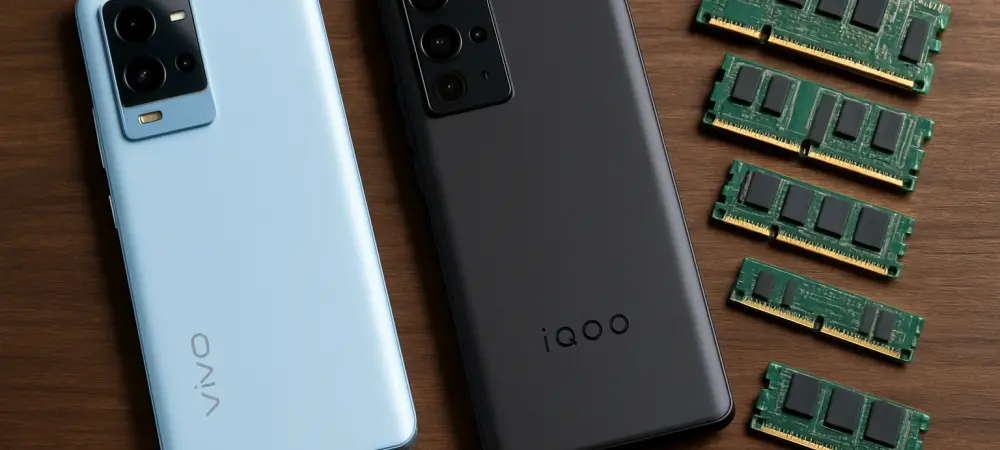
The delicate balance of the smartphone market is currently facing a significant disruption as the global supply chain for memory components undergoes a period of intense price volatility. Consumers who have been eyeing the latest mid-range offerings from major manufacturers are finding that the window of affordability is closing much faster than anticipated. This shift is not merely a localized issue but a reflection of how microchip availability dictates the final retail price for users across the globe.
This analysis aims to clarify the upcoming changes affecting Vivo and iQOO devices while exploring the specific models slated for price adjustments. By examining the tiered pricing strategies and the underlying economic drivers, readers will gain a better understanding of how hardware manufacturing overhead influences their purchasing power. As these changes take effect, staying informed about market fluctuations becomes essential for anyone planning a technology upgrade in the immediate future.
Key Questions Regarding the Upcoming Price Hikes
Which Specific Models Will See a Price Increase?
The upcoming price revisions are expected to impact several popular mid-range smartphones that have recently dominated the Indian market. Specifically, the Vivo T4 series, including the T4, T4R, and T4x models, along with their sister brand equivalents in the iQOO Z10 lineup, are at the center of this adjustment. These devices represent a significant portion of the value-conscious segment, making the price hike particularly noticeable for everyday shoppers. Industry insiders suggest that the iQOO Z10, Z10R, and Z10x are also part of this coordinated pricing shift. Because these two brands often share manufacturing resources and supply chains, the decision to raise prices simultaneously reflects a broader corporate strategy to offset rising production costs. This ensures that both brands maintain their profit margins without one gaining an unfair pricing advantage over the other during this volatile period.
How Much More Will Consumers Have to Pay?
The financial impact on consumers will vary depending on the specific model and storage configuration they choose. For the standard and “R” versions, such as the Vivo T4 and iQOO Z10R, a uniform increase of Rs. 2,000 is expected across all variants. For instance, a base model that previously retailed for Rs. 22,999 is set to jump to Rs. 24,999, effectively pushing these devices into a higher price bracket that might deter some budget-oriented buyers.
In contrast, the more affordable “x” variants follow a more complex, tiered pricing structure. The base 6GB+128GB configurations for the Vivo T4x and iQOO Z10x are likely to see a modest increase of Rs. 1,500. However, those opting for the 8GB RAM versions may face a steeper hike of Rs. 2,500. This disparity suggests that the cost of higher-capacity memory modules is rising more aggressively than lower-tier components, forcing manufacturers to pass those specific expenses directly to the user.
Why Is the Cost of Memory Affecting Phone Prices Now? The primary driver behind these sudden adjustments is the escalating cost of semiconductor components, specifically DRAM and NAND flash memory. As global demand for high-performance electronics continues to surge, the manufacturing capacity for these essential parts has struggled to keep pace. This supply-demand imbalance creates a ripple effect where manufacturers like Vivo and iQOO must pay more to secure the hardware necessary to build their devices.
Moreover, the current economic climate is characterized by increased logistics and raw material expenses, which further inflate the total bill of materials. While these brands have historically absorbed minor cost fluctuations to stay competitive, the scale of the recent memory price surge made a retail adjustment inevitable. This move serves as a defensive measure to ensure that the production of these popular series remains financially viable throughout the fiscal year.
Summary of Market Adjustments
The reported price changes signaled a significant shift in the mid-range smartphone landscape, marking the end of the previous pricing era for Vivo and iQOO. By raising the cost of the T4 and Z10 series by as much as Rs. 2,500, the manufacturers responded to the undeniable pressure of global component shortages. The data revealed that while entry-level models remained relatively accessible, higher RAM configurations bore the brunt of the hardware inflation, reflecting a strategic move to protect the bottom line.
Final Thoughts on Consumer Strategy
Potential buyers should evaluate their current needs and consider making a purchase before the new pricing takes full effect on March 1. If a mid-range upgrade was already on the horizon, securing a device at the current rates could save a significant amount of money that would otherwise be lost to market inflation. This situation highlights the importance of timing in the tech world, where external supply chain factors can change the value proposition of a smartphone overnight.
Looking ahead, it is worth considering whether this trend will spread to other manufacturers or higher-end flagship models. As memory costs remain unstable, the entire industry might move toward more flexible pricing models or more frequent updates to retail tags. Staying vigilant and monitoring official brand announcements will be the best way to navigate this evolving market and ensure that the next technology investment provides the best possible value for the money spent.