

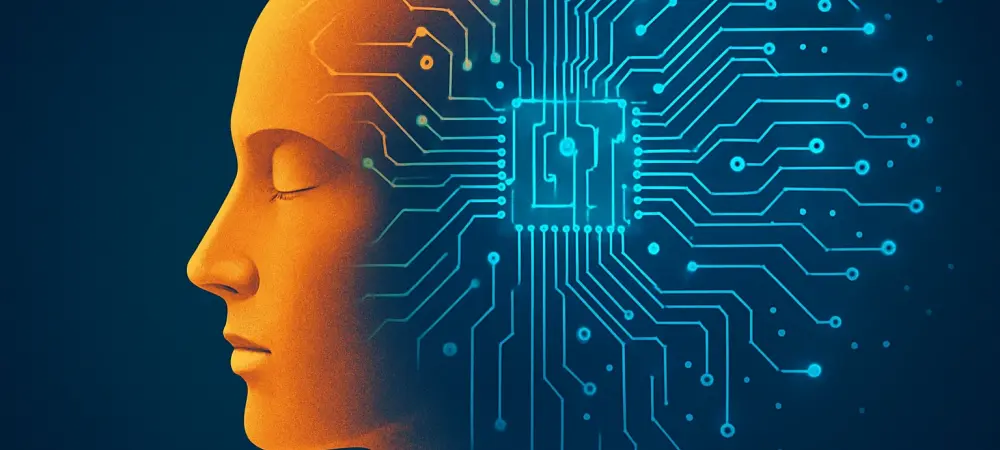
In an era where artificial intelligence shapes everything from daily tasks to complex industries, the ability to adapt mentally to this transformative technology has become a critical skill for professionals and individuals alike. The rapid integration of AI into workplaces and personal lives often sparks uncertainty, with many struggling to understand its implications and potential. A recently published book by a renowned expert offers a fresh perspective on this challenge, presenting a roadmap to rethink traditional approaches and harness AI as a powerful ally. This insightful guide emphasizes the need to shift mindsets, moving away from viewing technology as a threat and toward seeing it as a partner in innovation. By exploring historical parallels and practical strategies, the book provides a foundation for embracing AI with confidence. This discussion sets the stage for a deeper dive into how mental rewiring can unlock new opportunities in an AI-driven world, ensuring that technology serves as a tool for growth rather than an obstacle to overcome.
Shifting Mindsets for a Digital Age
The concept of adopting a growth mindset forms the cornerstone of adapting to AI technologies, urging individuals to move beyond rigid, outdated thinking patterns. This approach encourages viewing challenges as opportunities to learn rather than as insurmountable barriers. Historical shifts provide valuable context here, such as the transition from manual calculations to reliance on calculators and search engines. These earlier technological leaps required a similar mental adjustment, where society gradually accepted tools as extensions of human capability. The same principle applies to AI, where the technology is not meant to replace human intellect but to augment it. By reframing AI as a collaborative resource, individuals can begin to explore its potential in solving complex problems and enhancing creativity. This shift in perspective is not merely theoretical but a practical necessity in a landscape where AI tools are becoming ubiquitous across industries, demanding a proactive embrace of change over passive resistance.
Another critical aspect of this mental transformation is challenging the stigma that often surrounds AI usage, particularly the misconception that relying on such tools equates to a lack of skill or authenticity. This belief can hinder adoption and limit the benefits that AI offers in elevating performance. A balanced view recognizes that AI can transform novice efforts into expert-level outcomes when guided by human judgment. The emphasis here lies on the importance of human oversight, ensuring that AI-generated results align with intended goals and maintain quality. By understanding that technology serves as a scaffold for skill development, rather than a shortcut, individuals can build confidence in integrating AI into their workflows. This mindset not only dispels myths but also fosters a culture of continuous learning, where technology and human expertise work in tandem to achieve results that neither could accomplish alone, paving the way for innovative problem-solving.
Understanding AI’s Unique Nature
A fundamental step in embracing AI involves recognizing its distinct characteristics compared to traditional tools, particularly the difference between deterministic and probabilistic systems. Unlike calculators, where inputs consistently produce predictable outcomes, AI operates on a probabilistic basis, meaning identical prompts might yield varied responses. This unpredictability, often seen in phenomena like AI hallucinations, is not a flaw but a feature that fuels creativity and innovation. Such variability allows AI to generate novel ideas and solutions that rigid tools cannot replicate. For those new to this technology, understanding this distinction helps demystify its behavior and sets realistic expectations about its capabilities. By appreciating AI’s potential for creative output, users can leverage it in ways that complement human ingenuity, turning what might seem like uncertainty into a strength that drives forward-thinking approaches.
Delving deeper into AI’s nature reveals the importance of human involvement in refining its outputs to ensure relevance and accuracy. The concept of keeping a human in the loop underscores that while AI can produce impressive results, it lacks the nuanced judgment and contextual awareness that humans bring to the table. This partnership model ensures that technology amplifies rather than overrides human decision-making. For instance, in professional settings, AI might draft initial content or analyze data, but human oversight is crucial to tailor these outputs to specific needs or ethical standards. This collaborative dynamic not only enhances the reliability of AI applications but also builds trust in its use across various domains. As industries increasingly integrate AI, maintaining this balance between machine efficiency and human insight becomes essential for achieving meaningful progress and avoiding potential pitfalls that arise from unchecked automation.
Practical Steps to AI Integration
Integrating AI into daily workflows requires actionable strategies that cater to both beginners and those already experimenting with the technology, ensuring a smooth transition from hesitation to proficiency. One effective approach is starting with small, manageable tasks where AI can provide immediate value, such as automating repetitive processes or generating initial drafts for creative projects. This gradual introduction allows users to build familiarity and confidence without feeling overwhelmed by the complexity of advanced applications. Additionally, seeking out resources like tutorials or community forums can offer practical tips and real-world examples of AI in action. By focusing on incremental adoption, individuals can better understand how AI fits into their specific needs, whether in personal endeavors or professional environments, ultimately transforming uncertainty into a sense of empowerment and control over the technology.
Beyond initial steps, sustained integration of AI hinges on developing a mindset of continuous improvement and adaptation to keep pace with evolving tools and capabilities. This involves regularly evaluating how AI contributes to efficiency and creativity, while also staying informed about updates and new features that could enhance its utility. Collaboration plays a key role here, as sharing experiences and insights with peers can uncover innovative uses and solutions to common challenges. Furthermore, maintaining a critical eye on AI outputs ensures that reliance on technology does not compromise quality or ethical considerations. By fostering a habit of reflection and adjustment, users can refine their approach to AI, ensuring it remains a facilitator of growth rather than a static tool. This proactive stance not only maximizes the benefits of AI but also positions individuals to thrive in a landscape where technological advancements are a constant driver of change.
Building a Future with AI Collaboration
Reflecting on the journey of adapting to AI, it becomes evident that success stems from a willingness to challenge outdated beliefs and embrace technology as a partner. The strategies explored in earlier discussions, from shifting mindsets to understanding AI’s unique probabilistic nature, lay a solid foundation for meaningful engagement. Practical integration efforts over time demonstrate that small, consistent steps often yield significant improvements in both personal and professional spheres. Human oversight proves to be a linchpin in this process, ensuring that AI’s potential is harnessed responsibly and effectively. Looking ahead, the next steps involve advocating for broader education on AI’s capabilities and limitations, fostering environments where collaboration between humans and technology is normalized. Encouraging ongoing dialogue and experimentation will be crucial in shaping a future where AI continues to serve as a catalyst for innovation, driving progress in ways that align with human values and aspirations.