

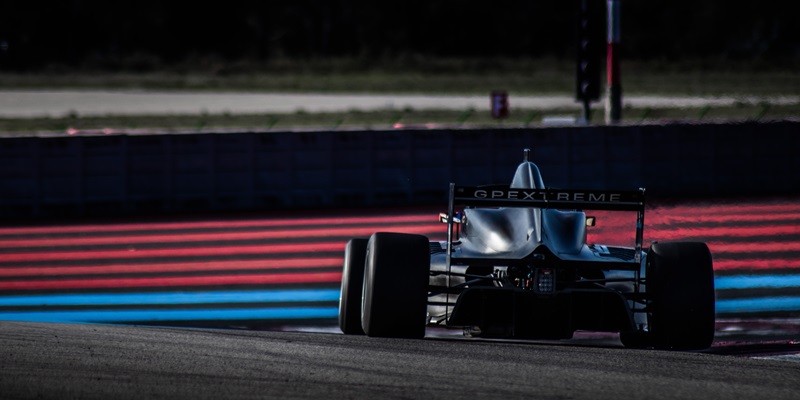
The world of motorsports is constantly evolving, embracing technological advancements to gain a competitive edge. In this pursuit, the TAG Heuer Porsche Formula E team has made a strategic decision to tap into a Secure Access Service Edge (SASE) global backbone. This cutting-edge networking solution not only allows for rapid setups but also delivers high-performance, secure connectivity. Let’s delve into how this revolutionary infrastructure plays a pivotal role in guiding the racing strategy of the renowned racing team.
The Role of Network Infrastructure in Racing Strategy
At the heart of any successful racing team lies a strong network infrastructure that ensures seamless communication between various components of the team. The network infrastructure, in the case of the TAG Heuer Porsche Formula E team, acts as a crucial tool in collecting critical data points from the Electric Vehicles (EVs) and transmitting data-driven instructions to the drivers. These instructions can include real-time updates on driving techniques, energy management, and optimum race strategies. With the ability to gather and process this essential information, the team gains a competitive advantage by making informed decisions on the track.
However, the challenge lies in executing this network infrastructure in each new race location. The technological nuances presented at every venue make it difficult to guarantee seamless real-time communication. Hence, the networking solution needed to possess the capability to be simple to set up and instantly ready for use, no matter where the team finds itself for a race.
The Importance of Flawless Connectivity for Data Transmission
To maintain a competitive edge in the racing world, accurate and reliable data transmission is of paramount importance. The TAG Heuer Porsche Formula E team relies on a considerable amount of data to analyze performance, make race strategy adjustments, and evaluate driver performance. Therefore, the networking infrastructure must deliver virtually flawless connectivity, ensuring minimal disruptions during the transmission of data.
SASE’s Global Network for Seamless Communication
Enter the SASE global backbone, which seamlessly connects drivers on the track, team members on the sidelines, and analysts at the team headquarters. Its global network of Points of Presence (PoPs) ensures that any location, regardless of its geographical distance, can be seamlessly integrated into the team’s network. This connectivity allows team members to collaborate and communicate in real-time, providing on-the-spot analysis, strategy adjustments, and instant updates to drivers in the midst of a race.
Overcoming Latency and Bandwidth Challenges
One of the inherent challenges in real-time data transmission is the issue of latency and limited bandwidth. SASE eliminates these concerns by ensuring that the TAG Heuer Porsche Formula E team is never affected by local latency issues or the meager 50 Mbps bandwidth allocation. Through advanced techniques like IP tunneling and bandwidth optimization, the team maximizes the allocated connectivity, enabling efficient transmission of data without compromising speed or accuracy.
Security Functionalities of SASE
In addition to providing rapid setups and high-performance connectivity, SASE also offers robust security functionality. Traditionally, additional security appliances, deployments, and configurations were required to protect data transmission. However, SASE delivers security functionality over the cloud, eliminating the need for additional hardware or complex configurations. This not only simplifies the setup process but also ensures that the team’s valuable data remains protected throughout the racing season.
Transmitted Data Volume
In the inaugural week of implementing SASE, the TAG Heuer Porsche Formula E team transmitted over 1.2 TB of data. This staggering volume of data included real-time telemetry, driver performance metrics, and battery information, all seamlessly transmitted and analyzed. Such a significant data transmission highlights the efficiency and reliability of the SASE networking solution and its ability to handle large data volumes in a secure manner.
In the high-pressure world of Formula E racing, having a networking solution that allows for rapid setups, high-performance connectivity, and robust security functionalities is a game-changer. The TAG Heuer Porsche Formula E team’s decision to leverage the SASE global backbone has proven to be instrumental in their success. By providing virtually flawless connectivity for accurate and reliable data transmission, SASE ensures that the team can make informed decisions and refine their racing strategy to gain a competitive edge. As the racing industry continues to embrace technology, reliable connectivity and secure data transmission remain crucial factors in achieving success on the track. With SASE, the TAG Heuer Porsche Formula E team is setting new standards in the world of electric racing.