

In today’s rapidly evolving landscape of wireless communication technology, few individuals match the expertise of Dominic Jainy. With a rich background in artificial intelligence, machine learning, and blockchain, Dominic brings a unique perspective to the discussion on the role of advanced network infrastructures, such as the cloud radio access network (C-RAN), in shaping the future. Here, he offers deep insights into the technological and strategic aspects of C-RAN and its impact on 5G and IoT developments.
What is a cloud radio access network (C-RAN)?
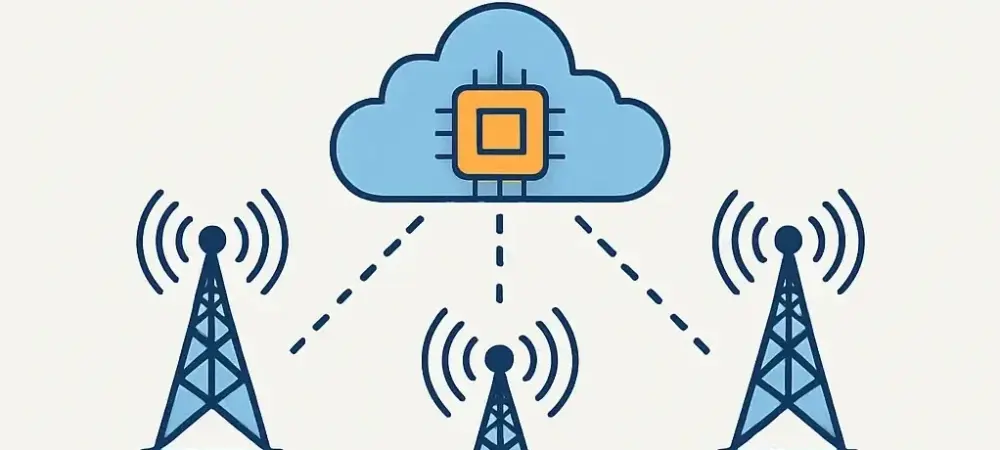
A cloud radio access network, or C-RAN, is a transformative architecture that centralizes the radio access network’s processing into a cloud-based system. In this setup, the “C” can refer to centralized or collaborative, highlighting its dual focus on bringing baseband units (BBUs) together in a centralized hub and fostering collaboration among various network components. Unlike traditional RANs where equipment is distributed and independent, C-RAN consolidates these into what’s known as BBU hotels, allowing for more efficient resource utilization.
What are the primary components of a C-RAN network?
C-RAN networks mainly consist of three critical components. First, a BBU hotel, which acts as a central processing hub where baseband units are concentrated, enhances operational efficiency by allowing tasks to be dynamically allocated based on current network demands. Then, there are the remote radio heads (RRH), which are positioned close to users to facilitate signal transmission. Finally, the fronthaul network connects the BBUs with the RRHs using high-speed optical fibers, ensuring rapid data transmission with minimal latency.
What technologies and standards does C-RAN utilize?
C-RAN leverages several key technologies. One vital standard is the Common Public Radio Interface, which standardizes how RRHs communicate with BBUs, ensuring interoperability across diverse equipment. Wavelength-division multiplexing technology plays a critical role in efficiently transmitting multiple data signals along the same optical fiber. Additionally, millimeter wave (mmWave) transmission is utilized for handling the increased data demands by reaching greater distances with higher data rates.
What are the key advantages of C-RAN compared to distributed RANs?
C-RANs offer numerous benefits, with spectrum efficiency being a standout advantage. By centralizing processing resources, C-RANs reduce the need for extensive hardware, thereby minimizing costs and the physical footprint. Additionally, they demand less from heating and cooling systems compared to their distributed counterparts. Such an architecture inherently simplifies network management and can be easily scaled or adjusted to accommodate changing wireless standards and increasing user bases.
How does C-RAN support the progression of wireless technologies like 5G and IoT?
C-RAN is integral to the advancement of 5G and IoT technologies. Due to its centralized nature, it can seamlessly manage the significant increase in mobile users and the varied standards required for IoT applications. The transition to 5G networks, particularly from LTE, heavily relies on the developments within C-RAN to provide the requisite speed and bandwidth.
What makes the network in C-RAN more simplified, scalable, and flexible?
The architecture of C-RAN supports simplified management and scalability mainly through pooled resources and a reusable infrastructure. With cloud computing platforms offering open access, users can dynamically share resources among BBUs, which promotes flexibility and scalability. This openness allows the network to be reconfigured and expanded effortlessly to meet the escalating demands of modern communication technologies.
Are there any challenges or disadvantages associated with implementing C-RAN?
Despite its many advantages, C-RAN does face some challenges. One is latency, particularly concerning interactions within a BBU hotel, which could potentially degrade performance if not managed correctly. Deploying the fronthaul network also presents hurdles, especially when extending optical fibers over long distances, which requires careful planning and investment to ensure uninterrupted connectivity and high-speed data transmission.
Do you have any advice for our readers?
As wireless communication continues to evolve, staying informed about these innovations is crucial. Embracing technologies like C-RAN could provide competitive advantages, especially as we move deeper into the era of 5G and IoT. It’s essential to keep adapting and looking for ways to integrate these advancements into existing infrastructures to harness their full potential.