

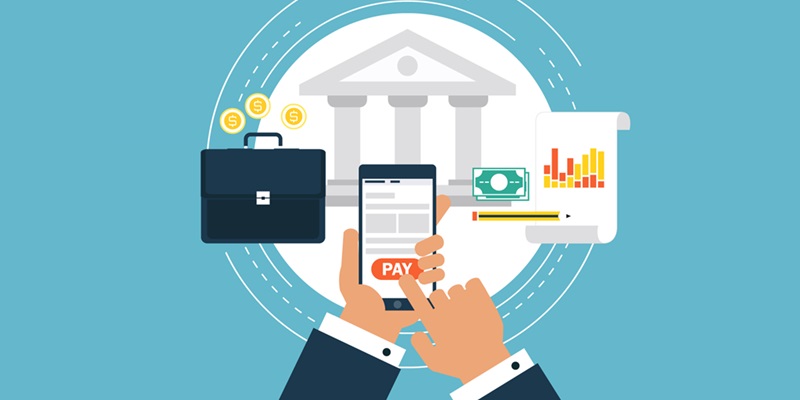
In an era defined by technological advancements, the banking industry has undergone a profound transformation with the development of modern banking software. These innovations have revolutionized the way banks operate, making transactions faster, more secure, and more convenient for customers. Let’s explore the various aspects of this digital revolution and understand how it has shaped the modern banking landscape.
Access to banking services
The most prominent feature of modern banking software is the ability to access banking services online and through mobile applications. Online banking has become a game-changer, allowing customers to conveniently manage their accounts, transfer funds, and pay bills without the need for physical visits to a bank branch. Mobile applications, tailored for smartphones and tablets, provide users with a seamless and user-friendly interface to carry out banking activities anytime, anywhere.
Security measures
To ensure the safety of customer data and transactions, modern banking system software incorporates robust security measures. Encryption techniques safeguard sensitive information, rendering it unreadable to unauthorized individuals. Multi-factor authentication adds an extra layer of security by requiring customers to verify their identity using two or more credentials, such as passwords, biometric data, or security tokens. Biometric identification, such as fingerprint or facial recognition, further enhances security, preventing unauthorized access to accounts.
Data Analysis and Personalization
Banking software empowers banks to gather and analyze vast amounts of customer data. By leveraging advanced analytics tools, banks can gain valuable insights into customer behavior, preferences, and financial needs. This allows them to offer personalized services and recommendations tailored to each individual’s requirements. Moreover, personalized alerts and notifications keep customers informed about their accounts, helping them make better financial decisions.
Automation and AI
Automation and artificial intelligence (AI) play a crucial role in modern banking software. AI-powered chatbots serve as virtual customer assistants, providing real-time support and answers to customer queries. These chatbots are capable of handling routine tasks, such as balance inquiries, transaction history, and account information, freeing up bank employees to focus on more complex issues. AI algorithms also enable the automation of processes, like loan approvals, risk assessments, and fraud detection, minimizing errors and streamlining operations.
Integration with Third-Party Services
Modern banking software allows for seamless integration with various third-party services. Payment gateways enable customers to conveniently make online payments using their bank accounts. Integration with financial planning tools assists customers in managing their finances, budgeting, and saving effectively. Banks can also integrate with accounting software to streamline business operations, enabling seamless synchronization of financial data.
Digital Transformation in Banking
Digital transformation in banking refers to the process of adopting and integrating digital technologies into traditional banking systems. The main objectives include enhancing operational efficiency, improving customer experience, and staying competitive in the digital age. Modern banking software facilitates this transformation, enabling banks to leverage technology to serve customers more effectively and efficiently.
Online Banking
Online banking has revolutionized the way customers access their bank accounts and perform various transactions. By simply logging in through a secure portal, customers can view account balances, transfer funds, pay bills, and even apply for loans or credit cards. The convenience and ease of online banking eliminate the need to physically visit bank branches, saving time and effort for customers.
Mobile Banking Security
Concerns about mobile banking security have been addressed with robust security measures employed by banks. Encryption, secure login procedures, and device authentication protect customer data from unauthorized access or hacking attempts. Banks continually invest in upgrading security protocols to stay ahead of evolving security threats and ensure the safety of customer information and transactions.
The advent of modern banking software has transformed the banking industry into a digital ecosystem that offers enhanced security, convenience, and personalized services to customers. With online and mobile banking, robust security measures, data analytics, automation, and integration with third-party services, banks continue to evolve to meet the ever-changing needs of customers in the digital age. As banks embark on the journey of digital transformation, the future of banking promises even greater innovation and advancement in providing seamless financial services to customers worldwide.