

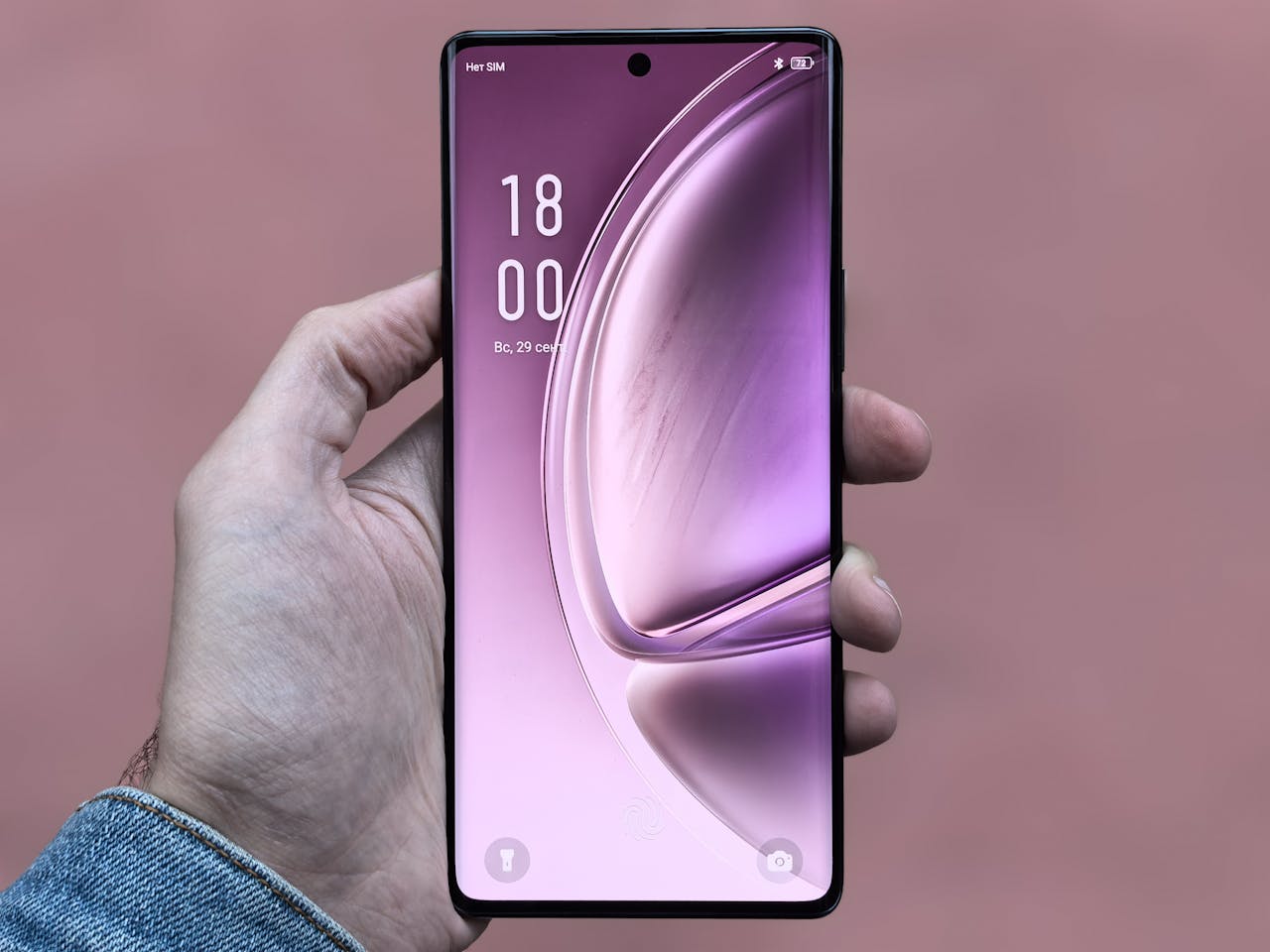
Vivo has been making waves in the smartphone industry by consistently pushing the envelope when it comes to camera technology. The upcoming Vivo S17 Pro is no exception. Leaked rumors suggest that the phone will feature a triple camera setup with impressive specifications that are sure to excite photography enthusiasts. In this article, we will discuss the expected camera setup and what it means for Vivo’s upcoming smartphone.
The Vivo S17 Pro will have a triple camera setup which is a significant improvement over the previous models in the S series. It is expected that the camera setup will include a 50 MP main camera, an 8 MP ultra-wide-angle shooter, and a 12 MP portrait camera. These three cameras will work together to offer users a versatile photography experience.
Leakster reveals all three cameras will be usable
One of the most anticipated features of the Vivo S17 Pro’s triple camera setup is that all three cameras will be usable. This is a welcome change from previous models in the S series, which had a shallow depth sensor that did not contribute much to the quality of the images captured. With all three cameras being usable, users can expect a significant improvement in the quality of their photography.
Previous vivo S smartphones had a 2MP depth sensor that barely contributed to imaging. As mentioned earlier, previous models in the S series had a 2 MP depth sensor that was essentially useless. This was a significant drawback for photography enthusiasts who expected more from a smartphone camera. With the vivo S17 Pro, it seems that the manufacturer has recognized this shortcoming and has made significant improvements to the camera setup.
The new smartphone will have a 50MP main camera with OIS and Sony IMX766V sensor. The main camera on the S17 Pro is expected to be a huge upgrade from the previous model’s 16 MP camera. Additionally, the camera will come with Optical Image Stabilization (OIS) and the Sony IMX766V sensor, which is known for its exceptional image quality. With these features, the main camera on the Vivo S17 Pro is expected to be one of the best smartphone cameras on the market.
The ultrawide-angle shooter will have an 8 MP sensor
Another notable feature of the Vivo S17 Pro’s camera setup is its ultrawide-angle shooter. The shooter is expected to have an 8 MP sensor, which is more than enough in terms of resolution for this type of camera. With this feature, users will be able to capture more of their surroundings and create breathtaking landscape shots.
The third camera on the vivo S17 Pro is expected to be a 12 MP portrait camera that uses the same sensor as the Sony Xperia 1 III, which is known for having one of the best smartphone cameras on the market. This is a significant development, and with this feature, users can expect outstanding portrait shots that rival those of a professional camera.
The camera is likely to have a basic 2x zoom instead of a fancy 5x
While the vivo S17 Pro’s camera setup is certainly impressive, the zoom capabilities are expected to be more basic, with a 2x zoom instead of a fancy 5x zoom. However, this is a minor setback that is unlikely to deter photography enthusiasts from purchasing the phone, especially given the camera’s other fantastic features.
Despite the more basic zoom capabilities, the Vivo S17 Pro’s camera setup represents a massive improvement over previous models in the S series. With a 50 MP main camera, an 8 MP ultra-wide-angle shooter, and a 12 MP portrait camera, all of which are usable, the camera on the Vivo S17 Pro is expected to be one of the best on the market.
There may be an international release of the Vivo V29 Pro with the same camera setup:
While the Vivo S17 Pro is expected to be a highly sought-after smartphone, there is also the possibility of an international release of the Vivo V29 Pro with the same camera setup. This would be great news for photography enthusiasts who are living outside of China and want access to the technology that the Vivo S17 Pro will offer.
Overall, the vivo S17 Pro’s triple camera setup is highly impressive and is sure to draw in photography enthusiasts. With a 50 MP main camera, an 8 MP ultrawide-angle shooter, and a 12 MP portrait camera, all of which are usable, the camera on the S17 Pro is expected to be one of the best on the market. While the zoom capabilities are expected to be more basic, this is a minor drawback compared to the significant improvements in image quality that the phone will offer. We eagerly await the official release of the Vivo S17 Pro to see if it lives up to expectations.