

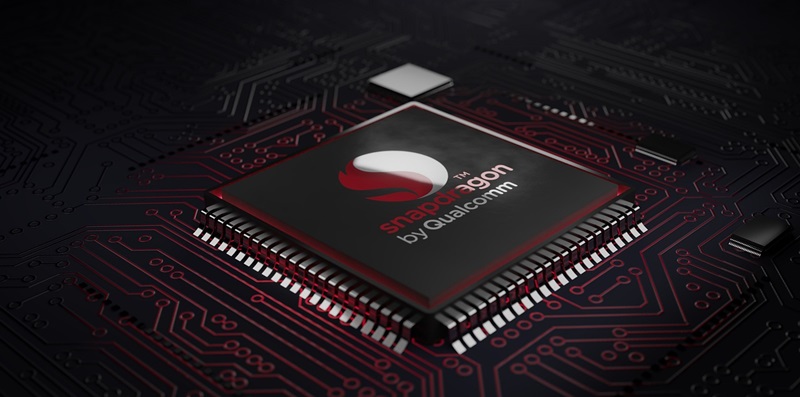
Samsung’s flagship smartphones, the Galaxy S24 series, are generating excitement among tech enthusiasts and fans worldwide. According to reputable industry insider Ice Universe, these highly anticipated devices will be powered by a custom version of the top-tier Snapdragon chip. In this article, we delve into the details of this chipset and explore the remarkable performance improvements it brings to the Galaxy S24 series.
Custom Snapdragon Chipset for the Galaxy S24 Series
Samsung has partnered with Qualcomm to develop a custom version of the Snapdragon chipset exclusively for the Galaxy S24 series. This collaboration aims to enhance the overall user experience by optimizing the chipset’s performance specifically for Samsung’s flagship devices.
Overclocked Snapdragon 8 Gen 3 for Galaxy Chipset
The Galaxy S24 series, including the Flip6 and Fold6 models, will be powered by an overclocked Snapdragon 8 Gen 3 for Galaxy chipset. This new chipset promises significant performance improvements, making the smartphones faster and more efficient than ever before.
Impressive Adreno 750 GPU Clock Speed
One of the key highlights of the custom Snapdragon chipset is the Adreno 750 GPU running at an impressive clock speed of 1,000 MHz. This 28% increase in clock speed compared to its predecessor results in enhanced graphics capabilities and smoother overall performance.
Enhanced Graphics Capabilities and Overall Performance
Thanks to the overclocked Snapdragon chipset and the Adreno 750 GPU, the Galaxy S24 series will deliver exceptional graphics capabilities and a seamless user experience. Whether it’s gaming, multimedia consumption, or multitasking, users can expect a significant boost in performance and responsiveness. Interestingly, reports suggest that the Galaxy S24 family will see a split in its chipset selection. Some models will feature the Snapdragon 8 Gen 3 SoC, while others will be equipped with Samsung’s Exynos 2400 chipset. This move allows Samsung to effectively cater to different markets and user preferences.
Anticipation for Samsung’s Flagship Lineup
As the launch date approaches, anticipation grows for the next generation of Samsung’s flagship lineup. Consumers eagerly await the unveiling of the Galaxy S24 series, hoping to experience the cutting-edge technologies and features it will offer. With an overclocked Snapdragon 8 Gen 3 chipset and the potential for a split in chipset selection, consumers can expect a range of powerful and versatile devices tailored to different markets and user preferences. Whether you prioritize performance, customization, or efficiency, Samsung’s flagship lineup aims to deliver a smartphone that suits your needs.
The Samsung Galaxy S24 series is poised to make a significant impact in the smartphone market. With a custom version of the Snapdragon top chip, an overclocked Snapdragon 8 Gen 3 for Galaxy chipset, and a potential split in chipset selection, these upcoming flagship devices promise enhanced performance, exceptional graphics capabilities, and versatility tailored to different markets and user preferences. As the launch date approaches, tech enthusiasts worldwide eagerly await the unveiling of these powerful smartphones from Samsung.