

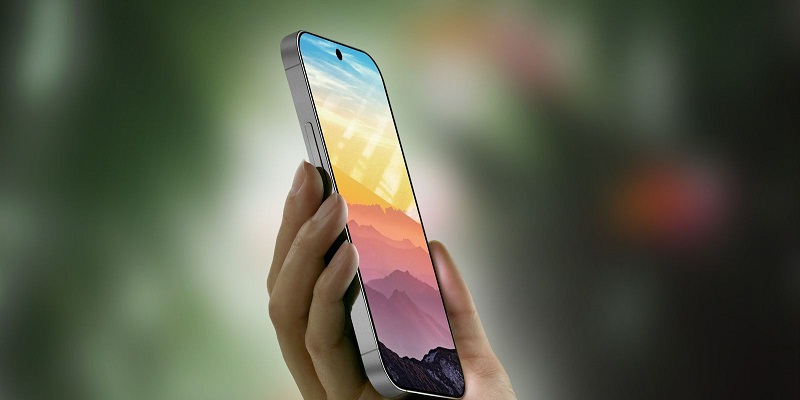
Apple has recently announced its latest addition to the iPhone series, the highly anticipated iPhone 15. This new flagship device introduces the Dynamic Island feature, previously exclusive to the iPhone 14 Pro models. With a host of exciting upgrades and innovative enhancements, the iPhone 15 is set to redefine the standard for smartphone technology.
Display Upgrades
The iPhone 15 showcases an upgraded Super Retina XDR display, featuring a unique pill-shaped cutout. With two size options available, users can choose between a 6.1-inch display for the regular model or a larger 6.7-inch display for the iPhone 15 Plus variant. These enhancements offer a more immersive viewing experience and sharper image quality.
Improved Brightness
Apple has pushed the boundaries of brightness capabilities in the iPhone 15, catering to the demands of outdoor usage and high-definition content consumption. With peak brightness levels reaching up to 2000 nits for outdoor use and 1600 nits for Dolby Vision/HDR content, users can enjoy stunning visuals in any lighting condition.
Design and Durability
The iPhone 15 boasts an array of stylish options, available in five striking colors: pink, yellow, green, blue, and black. Apple has also refined the design, gently rounding the edges for a more comfortable grip. Moreover, the device is both water and dust resistant, offering added durability. The iPhone 15 incorporates Ceramic Shield glass on the front, providing superior protection against accidental drops and scratches.
Updated Back Glass Texture
Apple has elevated the design aesthetic by implementing a matte-textured finish on the back of the iPhone 15. Departing from the glossy finish of previous models, this new texture not only enhances the device’s premium look but also improves grip, and reduces fingerprint smudges.
Upgraded Camera
Photography enthusiasts will be thrilled with the iPhone 15’s upgraded camera capabilities. The primary camera now features a 48-megapixel sensor, which intelligently pixels bins down to 12 megapixels. This ensures incredible detail and sharpness in every shot, even in challenging lighting conditions.
Enhanced Portrait Mode
With the combination of 2x zoom and powerful AI integration, Apple has taken portrait mode to new heights on the iPhone 15. The improved background blur effect creates stunning bokeh, immersing the subject in focus while artfully blurring the surroundings. Moreover, users can adjust the focus even after capturing the photo, allowing them to shift attention to objects in the background or foreground with unparalleled convenience.
In a move long-awaited by Apple enthusiasts, the iPhone 15 has bid farewell to the Lightning cable and embraced the universality of USB-C connectivity. This transition allows for faster charging, seamless data transfer, and the ability to charge AirPods directly from the iPhone.
Wireless Connectivity Upgrades
Setting new standards for wireless communication, the iPhone 15 introduces satellite connectivity. This groundbreaking feature ensures emergency contact in areas without cellular signal coverage, providing users with a lifeline during critical situations. Additionally, Apple has introduced roadside assistance, offering peace of mind during unexpected breakdowns in remote locations.
Pricing and Availability
The iPhone 15 series will be available for purchase with prices starting at $799 for the regular model and $899 for the iPhone 15 Plus variant. Pre-orders for this groundbreaking device are set to begin on Friday, September 15th. Get ready to experience the pinnacle of smartphone technology.
Apple’s iPhone 15 pushes the boundaries of innovation, introducing a myriad of exciting upgrades and features. With the Dynamic Island feature, enhanced display, improved brightness levels, and durability enhancements, the iPhone 15 establishes itself as a revolutionary smartphone. Coupled with the upgraded camera capabilities, advanced portrait mode, and expanded connectivity options, the iPhone 15 sets a new benchmark for the industry. Embrace the future of technology and prepare to embark on an unforgettable smartphone experience with the iPhone 15.