

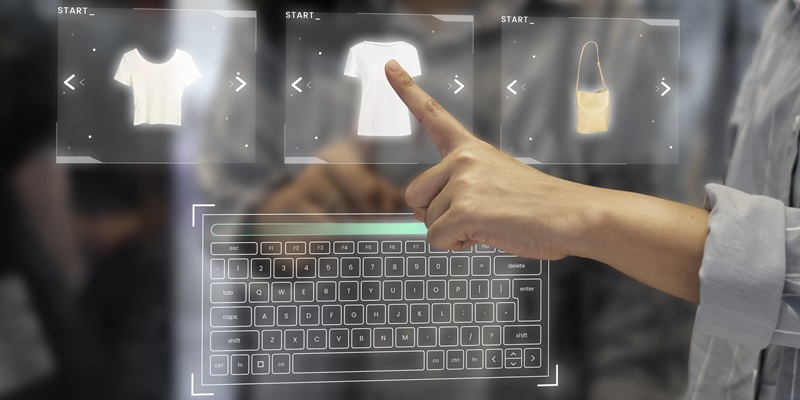
The retail industry has always been at the forefront of embracing technological advancements, and the latest technology making waves in this space is 5G, the fifth generation of wireless networks. With speeds up to 100 times faster than 4G, 5G has the potential to revolutionize the way retailers operate, enhance supply chain management, and transform the overall customer experience.
The impact of 5G on supply chain management for retailers
One of the most significant benefits that 5G brings to retailers is its ability to improve supply chain management. With its ultra-low latency and high-capacity connectivity, 5G enables retailers to track inventory in real-time. This breakthrough technology empowers retailers to monitor their stock levels continuously, allowing them to quickly identify when products are running low and restock them before they run out. As a result, retailers can minimize inventory shortages and ensure smoother operations.
Real-time inventory tracking and restocking with 5G
Gone are the days of manual inventory checks and time-consuming restocking processes. With 5G, retailers can seamlessly track their inventory in real-time. This means they can accurately assess product availability, promptly respond to fluctuations in demand, and create efficient restocking strategies. The ability to access real-time inventory data brings improved accuracy, allowing retailers to streamline operations and minimize stockouts, ensuring they meet customer demands efficiently.
Optimizing the supply chain through accurate data on consumer demand
5G’s ability to provide more accurate data on consumer demand empowers retailers to optimize their supply chain like never before. By gathering insights from real-time customer behavior and preferences, retailers can make data-driven decisions when it comes to manufacturing, warehousing, and distribution. This optimization minimizes waste, reduces costs, and ensures that products reach the right place at the right time.
Enhanced customer experience with faster and more reliable internet connections
Speed and connectivity have a significant impact on the customer experience, and 5G offers a significant upgrade in this aspect. By providing faster and more reliable internet connections, retailers can offer customers a seamless online shopping experience. Whether it’s browsing products, watching product videos, or making purchases, customers can do so more quickly and efficiently. With reduced load times and enhanced responsiveness, 5G offers a more satisfying and interactive digital retail experience.
Incorporating immersive experiences like AR and VR with 5G
5G’s high bandwidth and low latency create endless possibilities for retailers to incorporate immersive experiences like augmented reality (AR) and virtual reality (VR). By leveraging these technologies, retailers can offer customers a truly interactive and personalized shopping experience. Imagine virtually trying on clothes or visualizing furniture placement in your living room. With the power of 5G, these experiences become more accessible, enhancing customer engagement and driving conversions.
Improved customer service through faster and reliable connections
Delivering excellent customer service is crucial for retail success, and 5G plays a vital role in enhancing customer service capabilities. With its ultra-fast and reliable connections, retailers can ensure prompt and efficient communication with their customers. Whether customers are reaching out for support or making inquiries, 5G enables a seamless and uninterrupted communication channel, increasing customer satisfaction and loyalty.
Personalized and efficient service with the use of chatbots and AI tools
5G not only enhances communication, but it also enables retailers to leverage automation tools like chatbots and other AI-powered technologies. By using chatbots, retailers can provide customers with quick and personalized support, answering their queries and resolving issues efficiently. AI-driven tools can analyze customer data to offer personalized product recommendations and tailor the shopping experience, improving customer satisfaction and boosting sales.
Challenges of implementing 5G in retail, notably the cost
Despite the numerous benefits 5G offers, implementing this technology comes with its own set of challenges, notably the cost. Upgrading infrastructure, purchasing new devices, and ensuring network coverage across stores can be a significant financial investment for retailers, especially for smaller businesses. However, the potential rewards in terms of enhanced customer experience and streamlined operations make this investment highly beneficial and necessary to stay competitive in the industry.
Ensuring the security and protection of 5G networks in the retail industry
With increased connectivity comes the need for robust security measures to protect sensitive customer and business data. Retailers must prioritize network security to safeguard against potential cyber threats and data breaches. Implementing secure network protocols, incorporating encryption technologies, and regularly updating security systems are vital steps retailers should take to ensure the integrity and reliability of their 5G networks.
5G technology holds tremendous potential for the retail industry. It empowers retailers with real-time inventory tracking and optimized supply chains, while providing customers with faster internet connections and enhanced shopping experiences. The benefits are undeniable. Though implementing this technology may pose initial challenges, the long-term rewards in terms of increased efficiency, profitability, and customer satisfaction make 5G a significant game-changer for the retail industry. As retailers embrace this transformative technology, they gain a competitive edge in an industry that thrives on innovation and superior customer experiences.