

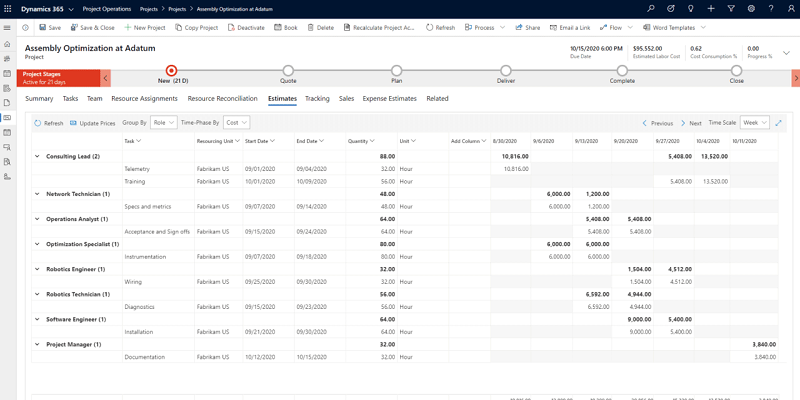
In today’s fast-paced business environment, project management firms are constantly on the lookout for tools that can seamlessly handle the complex nature of their projects. The need for a comprehensive solution that can provide unparalleled visibility, collaboration, and agility has become crucial. Luckily, Dynamics 365 Project Operations promises to be the game-changing software that project management firms have been searching for.
Platform Features and Benefits
Dynamics 365 Project Operations offer unprecedented visibility into project progress, enabling project managers to monitor every aspect in real-time. The platform facilitates seamless communication and collaboration among team members, fostering a cohesive working environment. With its agile methodology, the software enables project managers to quickly adapt to changes, ensuring successful project delivery.
The tool provides a comprehensive and unified view of all projects, eliminating the need for multiple systems and spreadsheets. Project managers can easily navigate through different projects, accessing critical data and reports. This holistic view allows for better decision-making, more accurate forecasting, and improved project outcomes.
Efficient resource allocation is vital for project success, and Dynamics 365 Project Operations simplifies this process. The platform offers robust resource management capabilities, ensuring that the right resources are assigned to the right tasks at the right time. By optimizing resource allocation, project managers can maximize productivity and minimize resource mismatches, reducing costs and delays.
Tracking time and expenses accurately is essential for effective project management. Dynamics 365 Project Operations streamlines this process, providing a user-friendly interface for employees to submit their time and expenses. The platform automatically calculates billable hours, allowing for accurate invoicing, reducing administrative burden, and improving cash flow.
Financial operations within projects are critical for profitability, and Dynamics 365 Project Operations excels in this area. The platform integrates seamlessly with other Microsoft solutions, such as Dynamics 365 Sales, Finance, Human Resources, and the Power Platform. This integration enables efficient financial processes, including budgeting, invoicing, and cost tracking, ensuring maximum profitability and minimizing financial risks.
Gaining actionable insights is essential for staying ahead of the competition, and Dynamics 365 Project Operations delivers just that. The tool provides advanced analytics and reporting capabilities, allowing project managers to analyze project performance, identify trends, and make data-driven decisions. With these insights, organizations can continuously improve their project management practices and drive success.
Dynamics 365 Project Operations Solution
Dynamics 365 Project Operations consolidates all project management operations into one comprehensive solution. It acts as a central hub, bringing together project planning, resource management, time and expense tracking, financial operations, and analytics. The integration with other Microsoft applications provides a seamless user experience, enhancing productivity and collaboration across teams.
Exceptional Deal Management: Elevate Your Bidding Game
Dynamics 365 Project Operations includes exceptional deal management capabilities. Project managers can easily create and manage bids, track their progress, and collaborate with stakeholders. This functionality enables organizations to submit winning proposals, increasing their chances of securing profitable projects.
State-of-the-Art Project Management Tools: Featuring Embedded Microsoft Project Capabilities
Embedded Microsoft Project capabilities within Dynamics 365 Project Operations offer state-of-the-art project management tools. These tools provide project managers with advanced scheduling, planning, and resource management features. With the familiarity of Microsoft Project, project managers can efficiently manage tasks, dependencies, and critical path analysis, ensuring project success.
Optimized Resource Allocation: Say Goodbye to Resource Mismatches
Resource mismatches can lead to project delays and inefficiencies. However, Dynamics 365 Project Operations optimizes resource allocation by matching skills, availability, and project requirements. This intelligent resource allocation ensures that projects are adequately staffed, reducing bottlenecks and maximizing productivity.
Actionable Business Insights: Stay Ahead of the Curve
In the competitive landscape of project management, having actionable business insights is crucial. Dynamics 365 Project Operations provides advanced analytics and reporting tools to empower organizations with the information they need to excel. From project performance analysis to resource utilization trends, these insights help businesses make informed decisions and continuously improve their project management practices.
Dynamics 365 Project Operations is a comprehensive and powerful solution that revolutionizes project management. With its unparalleled visibility, collaboration, and agility, it enhances project outcomes and profitability. By integrating all project management operations into one platform, it streamlines processes, optimizes resource allocation, and delivers actionable insights. Whether it’s elevating deal management, utilizing state-of-the-art project management tools, or staying ahead with actionable insights, Dynamics 365 Project Operations empowers businesses to successfully navigate the intricacies of project management in today’s dynamic business landscape.