

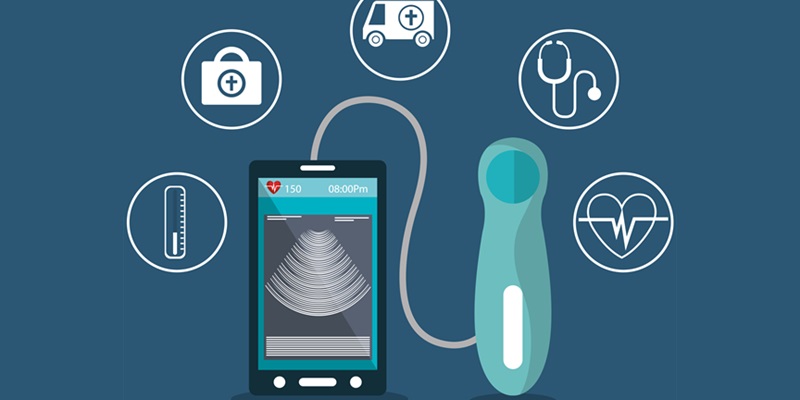
The health technology scene is experiencing a seismic shift, with changes that redefine our engagement with personal health management. What began with smartwatches has evolved significantly as a plethora of AI-powered health-monitoring innovations stream into the market. These devices, which range from stylish wearables to discrete household gadgets, herald a new age of healthcare where accuracy and customization take center stage. No longer mere extensions of smartphone technology, they are sophisticated health guardians that seamlessly integrate into our daily lives, providing individual-focused health data and insights. This revolution not only transforms our perception of health devices but also promises an era where monitoring one’s health is both effortless and highly personalized.
The Rise of Specialized Health-Monitoring Devices
Shifting Gears: Beyond Smartwatches
The evolution of health technology, from basic smartwatches to advanced specialized devices, epitomizes the progression towards personalized, precise health monitoring. This shift underscores the market’s emphasis on devices that offer more than simple fitness tracking, responding to consumers’ desires for actionable health insights.
Today’s wearables are not just step counters; they’re akin to personal health consultants. With state-of-the-art sensors, these devices monitor pivotal health metrics like heart rate variability and sleep patterns, employing AI to interpret complex physiological data. The push towards devices that cater to individual health needs reflects a broader trend: people want convenience and accuracy in managing their health, and the tech industry is rising to meet this demand with innovation and tailored solutions.
Design Meets Functionality
Health tech is undergoing a stylish transformation, moving beyond the era where wearables were strictly utilitarian. No longer limited to obvious wristbands or smartwatches, the newest wave features elegant rings, brooches, and necklaces that seamlessly merge health tracking with fashion. Such chic accessories aim not just to blend in aesthetically but to promote sustained user engagement. By wearing inconspicuous yet functional jewelry, people are more likely to keep these devices on, allowing for better data collection over time. This shift isn’t simply about embracing fashion for the sake of appearance; it’s a calculated strategy to make health monitoring as routine as putting on a favorite piece of jewelry, thereby improving the technology’s integration into everyday life for enhanced well-being.
Harnessing the Power of AI in Personal Health
Advanced Capabilities of AI in Health Metrics
Artificial Intelligence (AI) is the driving force behind the latest health-monitoring technology, transforming raw data into actionable health insights. By analyzing physiological data patterns, AI can predict health trends, tailor fitness guidance, and flag potential health issues early. As these AI algorithms become familiar with a user’s health metrics, they deliver increasingly personalized and accurate advice for enhanced health management.
The adaptive nature of AI in health devices means that user feedback continuously refines its accuracy, offering bespoke health recommendations. The processing power of AI turns the complexities of health metrics into clear, beneficial guidance, making it easier for individuals to understand and act on their health information. This intelligent analysis paves the way for proactive health maintenance and a better understanding of one’s well-being. With AI, individual health monitoring becomes a sophisticated yet user-friendly tool in maintaining one’s health.
The Role of Real-Time Health Monitoring
The health-tech sector is increasingly adopting a subscription-based approach, emphasizing their dedication to continuous, real-time health tracking. Subscriptions often include services that convert raw health data into actionable insights, such as notifying users about unusual heart rhythms or proposing dietary or exercise modifications.
These subscription services provide ongoing updates and customized advice, allowing health monitoring devices to adapt to new health information. This represents a shift from traditional, static health devices to interactive tools that not only track health information but also actively participate in health management. The result is a more dynamic and supportive relationship between users and their health-tech devices, fostering a proactive approach to health maintenance and improvement. With this model, users are equipped to make more informed decisions about their well-being as they receive continuous guidance and recommendations tailored to their unique health profiles.
Innovations in Wearable Health Technology
Spotlight on the Amazfit Halo Ring and WHOOP 4.0
The Amazfit Halo Ring stands out as a cutting-edge tool for athletes, crafted from robust titanium alloy and dedicated to enhancing recovery. Its use requires a Zepp Aura subscription, through which athletes gain vital insights into their physical readiness and recovery processes, critical for improving performance.
In a different approach to personal health tech, the WHOOP 4.0 offers a minimalist design, without screens or buttons, promoting an unobtrusive user experience focused purely on performance. Equipped with GPT-4 AI technology, the device serves as an intelligent and personalized coach. It adapts to the user’s needs, suggesting training and recovery strategies, essentially personalizing the fitness journey.
Both devices exemplify the progress in health and fitness technology, each with unique features tailored to meet the specific needs of users—whether it’s for meticulous monitoring of athletic recovery or for a streamlined, data-driven approach to training and personal wellbeing.
BeamO and Bodylog: Multi-User and Senior-Focused Technologies
The Withings BeamO redefines home health monitoring with its FDA-approved design. This versatile device accommodates multiple users and integrates a variety of sensors to serve diverse health monitoring needs within a family. It exemplifies how AI-powered gadgets are broadening accessibility to health tracking technologies.
For the elderly, the Bodylog chest patch offers focused remote monitoring. Its advanced features include fall detection and vital sign monitoring, essential for senior care. AI technology in the patch alerts caregivers and medical professionals to potential health issues, ensuring the elderly get prompt assistance. This intuitive device thus acts as a critical tool for both safety and wellness in older adults, fostering caregiver confidence and independence for the seniors themselves.
AI’s Deepening Impact on Personal Health Management
From General Monitoring to Tailor-Made Insights
Personal health technology is evolving towards hyper-personalization. Generic wellness advice is outdated as users demand custom-tailored insights to suit their unique health profiles and ambitions. AI’s prowess in handling vast health datasets enables this shift, offering everyone a distinctive health narrative and recommendations that resonate with their personal needs.
AI’s deep analytics and pattern recognition craft tailored health strategies for individuals, showcasing its vital role in day-to-day health management. This marks a significant leap from the traditional approach, as people embrace a wellness journey that’s intimately aligned with their specific lifestyles and goals.
By unlocking the potential of AI in interpreting complex health data, users benefit from a level of personalization in healthcare previously unattainable, ensuring advice and guidance are as unique as the fingerprints of the individuals they serve.
Embracing Proactivity with Technology
Modern health-monitoring gadgets are revolutionizing personal health management by encouraging proactive measures. Far more than passive trackers, these devices serve as agents of health transformation, utilizing predictive analytics to prompt users to make beneficial lifestyle changes preemptively, potentially circumventing health issues.
The innovation lies not only in data analysis but also in bolstering the decision-making process for healthier living. By interpreting the data, AI technology in these devices suggests behavioral modifications. Thus, it enables individuals to proactively navigate their health, taking informed actions toward their wellness goals. This approach marks a significant shift from responsive to proactive health management, positioning everyday technology as an ally in maintaining and improving health.
Enhancing Precision in Health Measurements
AI advancements are revolutionizing health-monitoring devices, making contributions that promise increased precision. These sophisticated tools aim to interpret accurate health data, enhancing our understanding of personal wellness. As AI-driven health gadgets evolve, their algorithms will become more refined, delivering precise health metrics and more personalized wellness advice.
Every update to these AI systems will mean a step closer to understanding the unique health profiles of individuals, translating complex data into a comprehensible health story. This empowers people to make better-informed decisions about their health. The intersection of AI and health technology signifies a future where our devices not only track but also interpret our health in meaningful ways, leading to an era of personalized healthcare informed by intelligent data analysis.
The Integration of AI and Mental Health Tracking
The BMind mirror is at the cutting edge of health technology, blending AI with mental well-being. Using advanced algorithms and natural language processing, it evaluates emotional health, offering a holistic perspective on an individual’s psychological state.
As AI technology weaves into health devices, its potential to detect and address mental health aspects becomes more profound. These advancements mean that devices are not just tracking physical health but are increasingly capable of monitoring and supporting mental and emotional wellness.
This integration delivers a more comprehensive approach to health monitoring, ensuring that mental health is given equal priority alongside physical health. It’s a development that promises to transform the way we understand and care for our overall well-being, making technology an ally in the quest for a balanced, healthy life.