

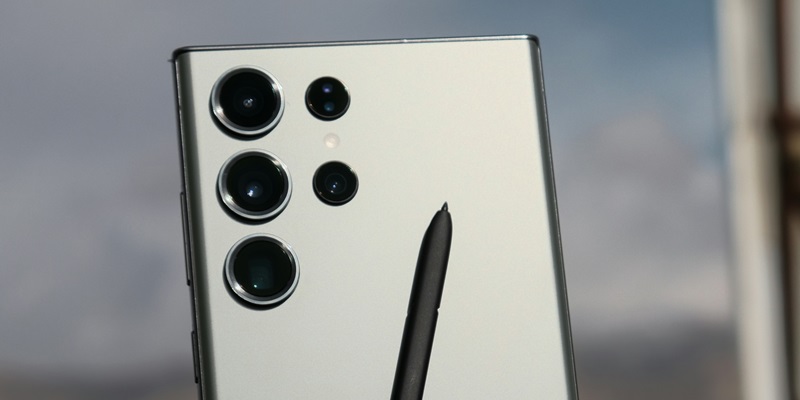
Samsung’s latest flagship Galaxy S24 models have been unveiled, providing a glimpse into the future of smartphones. With an array of new AI-powered features, these devices showcase the incredible potential of artificial intelligence in mobile technology. As the smartphone market becomes increasingly competitive, Samsung’s focus on AI aligns with Google’s own efforts to infuse AI into its Pixel phones, giving the company an opportunity to regain ground against rivals like Apple.
AI-powered features enhance user experience
The Galaxy S24 lineup introduces a range of powerful AI-driven features that aim to enhance the user experience. Among the notable additions are live translation during phone calls, Google’s ‘Circle To Search’ functionality, and advanced image manipulation capabilities. These features not only make the devices more convenient and intuitive to use but also offer an impressive level of functionality that sets them apart from previous models.
The Price of Advancement
While the technological advancements in the Galaxy S24 models are exciting, they come with a higher price tag. The Galaxy S24 Ultra, the flagship of the line, is priced at $1,300, reflecting an 8% increase compared to the previous year’s model. The increased price demonstrates the value that Samsung places on the innovative AI features and advanced technologies incorporated into these devices.
The AI revolution in smartphones
Samsung’s push for AI in smartphones is in line with the industry-wide trend towards integrating artificial intelligence into mobile devices. Google’s efforts with the Pixel phones underscore the popularity and significance of AI-powered features. By prioritizing AI, Samsung has the chance to get ahead in a market where Apple has taken the lead in recent years. The integration of AI into smartphones has the potential to reshape the landscape of mobile technology.
Implications for productivity, creativity, and privacy
The use of AI in smartphones is expected to have far-reaching implications across various aspects of our lives. In terms of productivity, AI-powered features can streamline workflows, improve efficiency, and provide personalized recommendations tailored to individual needs. The advanced image manipulation capabilities, for example, enable users to edit and enhance photos with greater precision and ease.
In terms of creativity, AI can unlock new possibilities for artistic expression. From enhancing photos to generating realistic filter effects, AI algorithms can assist users in unleashing their creativity and taking their artistic endeavors to new heights.
However, as smartphones collect a vast amount of user data to power AI algorithms, concerns about privacy and data ownership may arise. It is important for smartphone manufacturers to address these concerns and ensure that user data is handled responsibly and securely.
Addressing privacy concerns
Samsung is actively addressing the privacy concerns associated with AI-powered smartphones. One significant aspect is the emphasis on keeping AI features on the device itself, minimizing the need for connections to external data centers in the cloud. By keeping data processing and analysis within the device, users can have more control over their data and feel more secure about their personal information.
Embracing AI capabilities
The integration of AI into smartphones has the potential to resonate strongly with younger generations. As smartphones evolve into AI assistants in users’ pockets, younger users, who are more familiar with AI technology, are likely to embrace these capabilities more readily. This opens a world of possibilities and empowers users to accomplish tasks with greater efficiency and convenience.
Shaping the Future of Mobile Technology
The integration of AI into smartphones is a significant milestone in the continued evolution of mobile technology. It heralds a new era where smartphones become not just communication devices, but intelligent assistants that can understand and respond to users’ needs. From improving productivity to transforming creative pursuits, these AI-powered devices offer a glimpse into the endless possibilities that lie ahead.
Samsung’s latest Galaxy S24 models showcase the advancements and potential of AI in smartphones. By infusing these devices with AI-powered features, Samsung is not only staying competitive but also potentially reclaiming its position as a leader in the smartphone market. As AI continues to shape the future of mobile technology, it becomes crucial for manufacturers to address privacy concerns and ensure that users’ data is handled responsibly. The integration of AI opens up a world of new possibilities, empowering users and transforming the way we interact with our smartphones.