

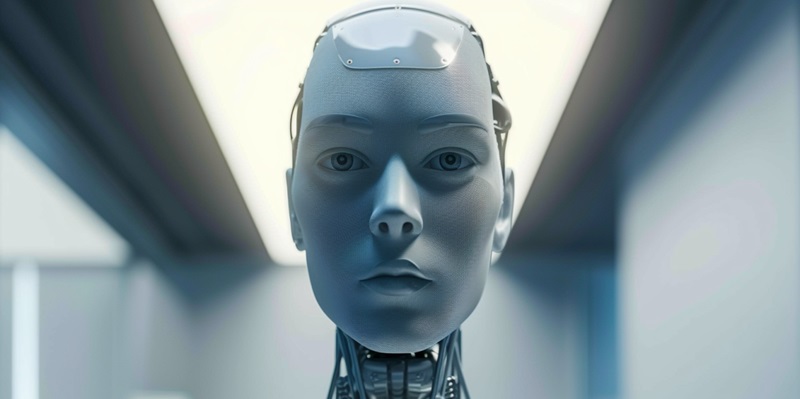
Imagine opening your favorite streaming platform and discovering a vast array of characters that look strikingly realistic yet are completely generated by artificial intelligence. This is no longer the stuff of science fiction. AI face generators are transforming the way we create and consume content in media and entertainment. These powerful tools are not just changing the aesthetics of what we watch—they’re redefining the entire production process, from casting to character design, and opening new doors for creativity and inclusion.
The Creative Frontier: Tailoring Characters to Spec
Breaking Casting Constraints
Long gone are the days when casting directors were restricted to the pool of available talent. Now, AI face generators allow storytellers to conjure any face they can imagine, bringing a new layer of precision to character creation. This technology goes beyond mere novelty; it represents a paradigm shift in how we populate our fictional worlds. Instead of being confined to the limits of human actors, creators can now tailor characters to fit their narrative without compromise, setting a new benchmark for creativity in the industry.
Storytelling Unbounded by Physicality
Nowhere is the impact of AI on creativity more evident than in animation and video games, where the traditional rules of physicality don’t apply. AI face generators are not only enriching these mediums but completely overturning the status quo. With boundaries removed, characters and narratives once deemed too complex or costly to visualize are now at the creators’ fingertips. The result is storytelling that’s as unbridled as the imagination itself, replete with a diversity of faces that mirror the global audience.
Streamlining Production: Efficiency and Cost Reduction
Revolutionizing Character Prototyping
The introduction of AI face generators is revolutionizing the character prototyping stage of production, making it quicker and more dynamic. This allows creative teams to bypass the arduous steps of model scouting and photoshoots, focusing instead on real-time visualization and iteration. It’s a game-changer in the way media is produced, streamlining the pathway from conception to screen and empowering creators with newfound nimbleness and flexibility in character design.
Reducing Production Costs
AI face generators cut down on the high costs traditionally associated with casting and character development. By generating multiple faces instantaneously, production times are slashed, and the need for extensive casts is significantly reduced. This cost-efficiency has a domino effect across the industry, paving the way for smaller studios to compete in an arena once dominated by heavyweights with deeper pockets. The playing field is becoming more level, which suggests a future teeming with diverse, quality content born from unprecedented accessibility to high-end production tools.
Enhancing Audience Engagement: Personalization and Marketing
The Power of Customized Content
In the fiercely competitive landscape of marketing and advertising, personalization reigns supreme. AI face generators herald a new dawn in audience engagement, offering a highly customized viewing experience. Producers can now tailor content to mirror the diverse societies in which we live, cutting across demographics and cultures. This customization makes for more relatable characters and scenarios, which in turn fosters deeper connections between media and its consumers.
Reflecting Audience Diversity
The drive for more authentic representation in entertainment is no longer just an ambition; it’s becoming a reality, thanks in part to AI-generated faces. This technology ensures that the diversity of the audience is mirrored on-screen, promoting an environment of inclusivity and understanding. When content speaks to or reflects an individual’s identity, it resonates on a profoundly personal level, fostering loyalty and a sense of belonging in viewers.
Promoting Inclusivity: Tackling Bias and Broad Representation
AI Against Cultural Bias
AI isn’t just changing the face of media, it has the potential to change its heart. Through the neutral lens of algorithms, AI face generators challenge cultural biases in casting, creating opportunities for stories that encompass the richness of our world’s tapestry. The resulting content has the power to promote empathy and to dissolve the arbitrary barriers that have long defined—and confined—narrative storytelling.
Representing the Unrepresented
Representation matters. AI face generators ensure that the previously unrepresented or underrepresented no longer remain invisible. By democratizing the representation of diverse populations, these tools enable creators to bring forward the voices and faces of those who have long awaited their turn in the spotlight, championing true diversity and giving rise to a media landscape that authentically reflects its viewership.
Driving Economic Advantages: Job Opportunities and Competitive Markets
New Creative Roles Emerging
As the media industry transforms under the influence of AI, so too do the opportunities within it. AI-generated imagery is carving out new career paths for those with the skill to harness its potential, creating a demand for a new breed of creative technologists. These roles not only push the envelope of what’s possible in media production but also support a vibrant and diverse ecosystem where technology and artistry intersect.
Levelling the Playing Field
AI face generators level the competitive playing field by enabling smaller players with limited budgets to produce content that rivals that of larger, more financially endowed entities. This opens up the market to a broader range of contributors, sparking innovation and increasing competition. As more entities gain the ability to create high-quality content, consumers benefit from a wider variety of narratives and perspectives, driving the industry forward in a healthy and inclusive manner.