

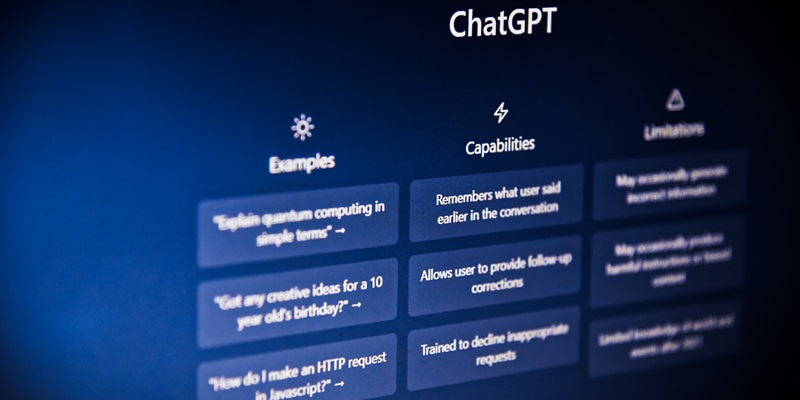
The rapid advancement of technology has significantly transformed the way we communicate and stay connected. With the integration of ChatGPT, a sophisticated language model, with 5G technology, we can expect even more revolutionary changes in these areas. This article explores the potential enhancements and benefits that arise from combining ChatGPT and 5G technology, including improved efficiency and accuracy of voice assistants and chatbots, real-time translation and interpretation services, the role of ChatGPT in smart cities and IoT applications, and the importance of robust frameworks and regulations for privacy protection and preventing misuse of AI technologies.
Improved Efficiency and Accuracy of Voice Assistants and Chatbots
Voice assistants and chatbots have become increasingly popular in assisting users with various tasks. By incorporating ChatGPT into these systems, we can enhance their efficiency and accuracy. ChatGPT’s advanced language understanding capabilities enable more context-aware and detailed responses, resulting in an improved user experience. Additionally, the combination of ChatGPT with 5G technology allows for faster and seamless communication, reducing response times and enhancing overall interaction.
Real-Time Translation and Interpretation Services
Language barriers often hinder effective communication, particularly in international business settings. With ChatGPT integrated into 5G networks, real-time translation and interpretation services can be made more accessible and accurate than ever before. This technology enables instant translations of spoken or written language, facilitating effective communication between individuals who speak different languages. As a result, international collaborations can be strengthened, leading to improved business prospects and cultural exchange.
Role in Smart Cities and IoT Applications
The concept of smart cities aims to leverage technology to enhance various aspects of urban life, including resource management, energy efficiency, and overall quality of life. ChatGPT can play an instrumental role in the development of smart cities and IoT applications. By integrating with 5G networks, ChatGPT can enable intelligent automation and communication between various devices, leading to more efficient resource allocation, better energy management, and improved urban planning. This integration can contribute to making cities more sustainable, efficient, and livable.
Frameworks and Regulations for Privacy and Misuse Prevention
While the integration of ChatGPT with 5G technology brings numerous benefits, it also raises concerns regarding privacy and the potential misuse of AI technologies. It is crucial for developers and policymakers to work together to establish robust frameworks and regulations to safeguard user privacy, protect sensitive data, and prevent unauthorized access or misuse of AI-powered systems. Striking the right balance between technological advancements and ethical considerations is essential to ensure the responsible deployment of ChatGPT and 5G technology.
The integration of ChatGPT with 5G technology holds immense potential for revolutionizing communication and connectivity. From improving the efficiency and accuracy of voice assistants and chatbots to providing real-time translation services, the benefits are wide-ranging. Moreover, the integration of ChatGPT and 5G can elevate the development of smart cities, IoT applications, and automation, leading to better resource management, greater energy efficiency, and an overall enhanced quality of life. However, to fully harness these advancements, it is vital to establish robust frameworks and regulations to protect user privacy and prevent misuse of AI technologies. With the right frameworks in place, ChatGPT and 5G technology can pave the way for a more connected and intelligent future.