

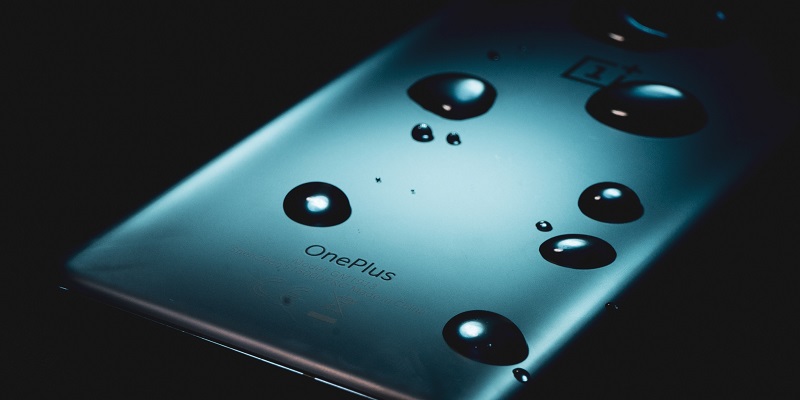
OnePlus, known for its innovation in the smartphone industry, is set to introduce the OnePlus Ace 2 Pro, a highly anticipated device that promises to revolutionize charging technology. The standout feature of this new flagship phone is its groundbreaking 150W SuperVOOC S charging. In this article, we delve into the details of this cutting-edge technology, its impact on battery longevity, and other exciting features of the OnePlus Ace 2 Pro.
SuperVOOC S Charging: Unleashing Unprecedented Speed
OnePlus has developed the SuperVOOC S charging technology in-house, aiming to deliver lightning-fast charging speeds without compromising battery health. The OnePlus Ace 2 Pro’s 150W SuperVOOC S charging sets a new industry benchmark. With this advanced technology, users can fully charge the phone’s 5,000mAh battery in just 17 minutes, surpassing conventional charging rates by a significant margin.
Battery Life and Longevity
While fast charging is impressive, OnePlus doesn’t overlook the importance of battery longevity. The OnePlus Ace 2 Pro’s battery is designed to provide exceptional performance over the long term. The phone’s battery life is advertised to last up to 4 years, and it boasts a retention rate of at least 80% of its original capacity. This ensures that users can enjoy long-lasting power and consistent performance throughout the phone’s lifespan.
Complete charging solutions
To complement the 150W SuperVOOC S charging, the OnePlus Ace 2 Pro comes bundled with a 150W GaN charger and a USB C-to-C cable. The charger supports not only SuperVOOC S but also the USB Power Delivery standard, delivering up to 45W power output. This versatile charger can be utilized to power various portable devices, including laptops, making it a convenient and all-encompassing charging solution.
UFCS Support
The OnePlus Ace 2 Pro proudly becomes the company’s first phone to support the Universal Fast Charging Specification (UFCS) protocol. Developed through a collaborative effort involving the China Academy of Information and Communications Technology, Oppo, Vivo, Xiaomi, and Huawei, UFCS aims to establish compatibility and interoperability between different brands’ fast charging solutions. This move towards standardized fast charging reflects OnePlus’ commitment to improving consumer experience and driving industry-wide advancements.
Unveiling and More Information
The official unveiling of the OnePlus Ace 2 Pro is just around the corner, and fans are eagerly awaiting more details. OnePlus has indicated that more information will be revealed on the company’s Weibo account, keeping enthusiasts and tech enthusiasts alike on the edge of their seats. Be sure to follow their updates to get the latest news and insights regarding the OnePlus Ace 2 Pro’s launch.
The OnePlus Ace 2 Pro is set to redefine the fast charging landscape with its 150W SuperVOOC S charging. By combining lightning-fast charging speeds with battery-conscious technology, OnePlus ensures that users can enjoy both speed and longevity. The inclusion of UFCS support and comprehensive charging solutions further enhance the OnePlus Ace 2 Pro’s appeal. Keep a close eye on OnePlus’ Weibo account for more information about this exciting new device. The future of fast charging is about to arrive, and it’s called the OnePlus Ace 2 Pro.