

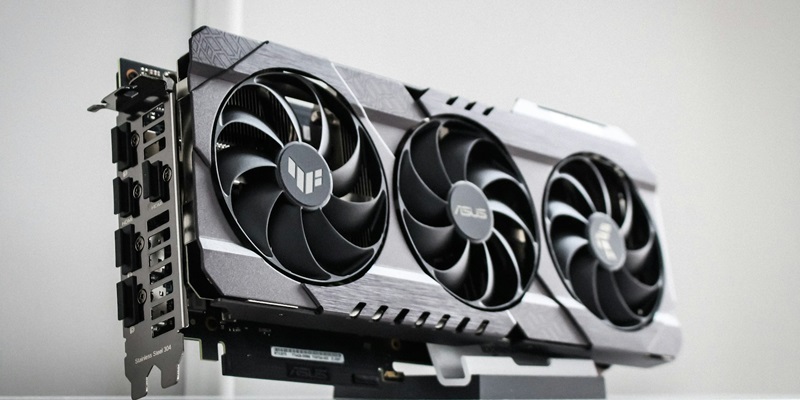
The artificial intelligence surge has spurred a unique movement — enthusiasts are modifying legacy graphics cards for new life. In a noteworthy instance, tech hobbyists have manipulated the NVIDIA GeForce RTX 2080 Ti to pack twice its original VRAM, increasing from 11 GB to an impressive 22 GB. This isn’t merely a small enhancement; it represents a substantial upgrade that’s garnering interest among AI practitioners and avid tinkerers. They see value in these revamped GPUs as cost-effective solutions for handling large-scale data sets and intricate computations that are typical in AI development. As these modders push the limits of older hardware, they’re demonstrating that significant computing power can be achieved with ingenuity, not just high-end, current-generation equipment. This trend is a testament to the creative ways in which the tech community adapts to meet the demands of advancing technology while keeping cost considerations in mind.
The Modification Breakthrough
Doubling Down on VRAM
Enthusiasts have found a way to enhance the power of the RTX 2080 Ti, a GPU that’s already two years old, by doubling its video RAM. This upgrade to 22 GB VRAM has expanded the card’s capabilities, allowing it to tackle AI tasks that were previously out of reach. Memory-intensive processes like training sophisticated neural networks, managing high-resolution imagery, and running expansive simulations are now achievable. The modification essentially elevates the RTX 2080 Ti to be akin to its pricier counterparts—high-performance AI GPUs that boast similar memory capacities. Despite this, it retains a cost advantage, providing those interested in AI research and development with a more affordable yet robust option. The card, through this VRAM augmentation, bridges the gap, offering a new lease on life and a better match for emerging AI-driven challenges that demand substantial memory resources.
A New Lease on GPU Life
Repurposing RTX 2080 Ti graphics cards breathes new life into once premier technology. By modding these GPUs to enhance their VRAM, their applicability, especially in ever-evolving sectors like VR, is significantly extended. This innovative twist on technology lifecycle management not only conserves the potent capabilities of the 2080 Ti for demanding compute tasks but also exemplifies a shift towards sustainability in electronic manufacturing. Through such modifications, older tech is prevented from becoming obsolete or contributing to the growing issue of e-waste. Additionally, this practice offers economic relief to developers seeking powerful computing resources without the premium cost of the latest hardware. The refreshed 2080 Ti’s, thus, become a testament to the potential of repurposed technology to meet current demands while fostering an environmentally conscious approach to tech usage.
Market Dynamics and Buyer Caution
Affordability Meets Performance
Modified graphics cards priced around $500 are shaking up the market, offering a budget-friendly alternative to the high-priced RTX 3090 or 4090 models, which come with significant VRAM. These adjusted cards cater to AI enthusiasts by bridging the financial gap that often restricts access to powerful hardware. The RTX 3090 and 4090 are undoubtedly top-tier, but their cost is a barrier for many. In contrast, the modded options bring down this barrier, effectively democratizing the field of AI research. By making high VRAM capacities more accessible, a broader base of innovators and researchers can now engage in AI development without being sidelined by prohibitive costs. This inclusive approach fosters a more diverse ecosystem of AI development and could accelerate advancements across various sectors by involving a multitude of perspectives and talents in the technological evolution.
Long-Term Stability Concerns
Modifying GPUs to exceed their original specifications can be appealing due to the performance gains, yet it’s essential to consider the potential impacts on their long-term reliability. When hardware operates beyond its intended limits, it can affect its lifespan and dependability. The presence of a blower-style cooler and a dual-slot configuration suggests these GPUs are tailored for server use, where they’re expected to manage demanding, ongoing tasks. Prospective users must evaluate whether the economic advantages outweigh the risks involved. The excitement around these enhancements is clear, but caution is vital. It’s crucial to balance the desire for increased performance with being realistic about the hardware’s durability and the availability of support. Before committing to such modifications, one should thoroughly assess the trade-offs to ensure a judicious decision is made regarding this delicate balance between power and longevity.