

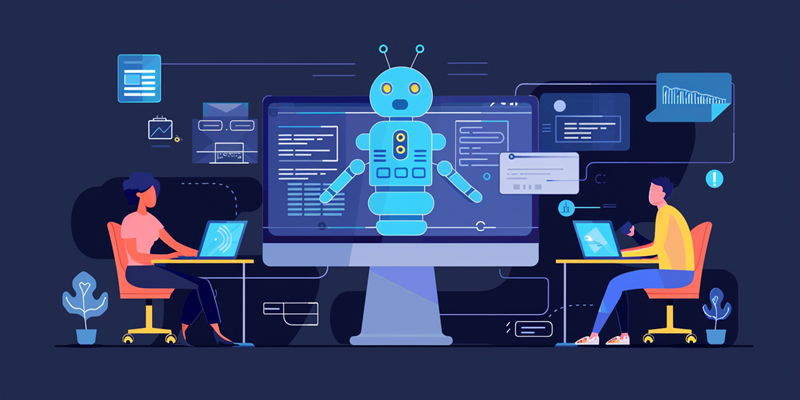
Robotic Process Automation (RPA) and Artificial Intelligence (AI) are revolutionizing the accounting industry with their cutting-edge capabilities. These technologies are not only streamlining operations but also drastically improving productivity levels within the sector. RPA simplifies repetitive tasks, allowing accountants to focus on more complex and strategic work, while AI provides deeper data insights, enabling more accurate forecasting and decision-making.
Moreover, these advancements are playing a critical role in compliance, as they help maintain meticulous records and quickly adapt to changing regulations, reducing the risk of human error. The integration of RPA and AI into accounting practices is also facilitating quicker transaction processing and more efficient handling of vast quantities of financial data, reflecting a significant move toward automation and smarter data management. This digital evolution in accounting promises not only to refine current processes but also to reshape the entire scope of how the industry operates, paving the way for a future where technology and finance coalesce to create more robust, transparent, and effective financial management systems.
The Role of RPA in Accounting Efficiency
Streamlining Repetitive Tasks
Robotic Process Automation (RPA) has been a game changer for the field of accounting. This innovative technology has taken over the monotonous jobs, providing both speed and unparalleled precision. Where once the manual entry of data was a breeding ground for errors, software bots have stepped in to work around the clock, delivering accurate and current financial figures. These strides in efficiency have significantly reduced the need for exhaustive manual work. Accountants now find themselves with freed-up schedules, affording them the opportunity to dedicate their attention to more strategic tasks that benefit from the human touch, such as analysis and advisory roles. The implications of RPA are profound, promising not just cost reductions but also the enhancement of the overall quality and reliability of financial reporting. In this automated era, the accounting industry is witnessing a transformative shift, redefining roles and welcoming a future where the synthesis of human and machine intelligence becomes the cornerstone of accounting practices.
Beyond Basic Processes: Full Workflow Automation
Robotic Process Automation (RPA) has significantly evolved beyond automating just isolated tasks. It now encompasses entire accounting procedures, especially beneficial during the intensive tax season. RPA technology has been transformative in the realm of tax preparation, where it aids in the efficient collection of documents and ensures that the data is accurate. This is crucial in an industry where remaining compliant with the latest tax regulations and standards is non-negotiable. With RPA, accountants can manage and execute their workflows with greater precision and less manual intervention. This technology delivers substantial efficiencies and enhances the reliability of the complex processes involved in tax filing. Consequently, RPA serves as a powerful tool that not only saves time but also improves compliance by reducing the chances of human error, providing substantial support to professionals navigating the demanding tax landscape.
Enhancing the Human Element in Accounting
Job Satisfaction and Value-Added Work
The advent of automation has significantly enhanced job satisfaction within the realm of accounting. Robotic Process Automation (RPA) has taken over the repetitive tasks once handled by accountants, freeing them to focus on more intellectually stimulating and analytical work. This shift in responsibilities has not only improved the day-to-day experiences of existing staff but has also had an uplifting effect on the industry’s attractiveness to potential new hires. Accounting firms that embrace these advanced technologies are seen as progressive and innovative, which is a strong selling point for recruitment and retention strategies. This modernized approach to accounting practices promises a work environment that values creativity and strategic thinking, making the field more appealing to professionals seeking dynamic and rewarding careers. As a result, firms are likely to experience a boost in both employee morale and the caliber of applicants eager to be part of a cutting-edge workplace.
Reshaping the Role of Accounting Advisors
Advisors have begun to harness the capabilities of Artificial Intelligence to deliver more sophisticated analyses and strategic guidance. By leveraging AI, they can forecast trends and identify new opportunities for businesses, offering insights that go beyond traditional accounting practices. These advancements in technology enable accountants to delve deeper into data, providing a richer understanding of a company’s financial landscape and potential future scenarios. This transformative approach enhances the accountant’s role, ensuring they are not just number crunchers but rather strategic partners essential to shaping business strategy. Their expertise in interpreting complex information is now amplified by AI tools, making their counsel more valuable than ever. In the contemporary business environment, where competition and market dynamics are rapidly changing, the accountant’s role has evolved from simple financial management to being a pivotal figure in steering organizational strategy and success.
Strategic Advantages in a Technology-Driven Market
Competitive Edge through Automation
In today’s rapidly evolving marketplace, companies utilizing sophisticated automation technologies are carving out a substantial competitive edge. These tech-savvy firms are not just keeping pace with industry demands but surpassing them, demonstrating remarkable agility and enhanced operational capabilities. Various case studies have shown how these organizations have harnessed the power of automation to not only optimize their workflows but to redefine the benchmarks within their sectors. They’re effectively setting new standards for efficiency and productivity, influencing the trajectory of the industry overall. By embracing tech-driven strategies, other firms can also position themselves to pivot quickly in response to changing market dynamics. This evolution in the pursuit of advanced automation serves as a testament to the critical role that technology plays in enabling businesses to adapt and flourish amidst the challenges of a constantly shifting economic landscape.
Preparing for the Digital Future
The imminent rollout of the Making Tax Digital for Income Tax scheme highlights the crucial role that Robotic Process Automation (RPA) and Artificial Intelligence (AI) play in adhering to stricter and more frequent tax reporting requirements. With the tax landscape becoming increasingly digital, organizations are compelled to embrace these technological advancements or risk falling behind. As taxation norms evolve, enabling technologies such as RPA and AI become indispensable for firms to manage and report their financial data more efficiently and accurately. Adapting swiftly to initiatives like Making Tax Digital can provide companies with a competitive edge, automation efficiency, and compliance assurance. Businesses that quickly integrate such automated processes can better handle the complexities of the digital tax requirements, ensuring they remain compliant and innovative in a transforming financial environment.
Wolters Kluwer: Facilitating the Automation Transition
Driving Innovation in Accountancy Practices
Wolters Kluwer stands as a pioneering force, delivering cutting-edge tools and services tailored for the evolving landscape of modern accounting practices. Their offerings are meticulously crafted to assist firms in seamlessly integrating into an increasingly digital and automated environment. Recognizing the challenges faced by accounting professionals today, Wolters Kluwer emphasizes innovation in their solutions to ensure efficiency, accuracy, and compliance with the latest industry standards. These tools are not only designed to enhance productivity but also to provide strategic insights that can drive business growth. As the accounting sector continues to undergo a significant transformation, Wolters Kluwer is committed to equipping practitioners with the advanced resources needed to navigate and thrive in this dynamic setting. By fostering a tech-savvy culture within firms, they play a critical role in streamlining processes, mitigating risks, and securing a competitive edge in a rapidly changing economic landscape.
Commitment to the Future of Accounting
Wolters Kluwer is not just a provider of accounting tools but a visionary force committed to the evolution of the accounting sector. This company’s ambition surpasses mere tool provision; it’s about cultivating an ecosystem where accounting practices don’t just survive, but flourish with the strategic implementation of cutting-edge technologies. Their mission encapsulates leading transformative change, guiding accounting firms into an era where efficiency and precision are dramatically enhanced through innovation. By doing so, they’re actively drawing a roadmap for a future where the accounting landscape is more resilient, agile, and equipped to tackle the complexities of a dynamic financial environment. Wolters Kluwer’s approach is systemic, focusing on long-term progress and the empowerment of accountants through digital empowerment, signifying their role as both enablers and pathfinders in the ongoing evolution of the accounting profession.