

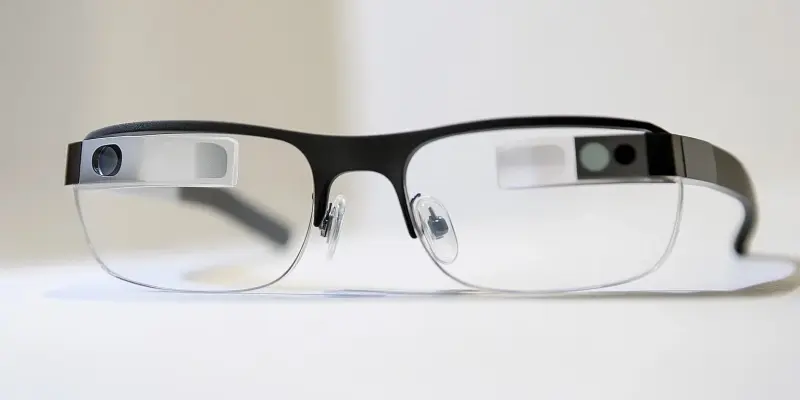
The recent partnership between Up Network and DreamSmart marks a significant leap in the evolution of wearable technology, and this collaboration promises to introduce groundbreaking Web3 AI glasses powered by Google Gemini. By seamlessly integrating advanced artificial intelligence, extended reality (XR), and decentralized Web3 technologies into a single wearable device, these glasses will revolutionize how humans interact with machines in the post-smartphone era. This innovative product, developed under DreamSmart’s StarV brand, aims to set new standards in user experience, making state-of-the-art technology accessible and user-friendly.
Cutting-Edge Features
Advanced AI and Extended Reality
The Web3 AI glasses, which are remarkably lightweight at just 44 grams, are equipped with a myriad of features designed to enhance the user experience significantly. Offering up to eight hours of battery life, these glasses are engineered for all-day wear, ensuring that users can seamlessly integrate them into their daily routines. One of the most notable attributes is the optical guidewave display, which facilitates a smooth XR experience. This advanced display technology is geared towards boosting productivity, offering enthralling entertainment options, and enhancing day-to-day functions, making it a versatile tool for various needs.
Moreover, the glasses leverage the robust capabilities of Google Gemini and other AI agents to deliver real-time, context-aware intelligence. This feature positions them ahead of current offerings from major tech giants such as Google and Samsung. Users can expect an unprecedented level of interaction, as these glasses can comprehend and respond to their needs in real-time, thereby providing a more intuitive and efficient user experience. The combination of AI and XR makes these glasses a powerful companion in both professional and personal settings.
Simplifying Web3 Technology
One of the standout features of the Web3 AI glasses is their ability to simplify the otherwise complex Web3 technology landscape. Historically, Web3 has required users to navigate decentralized systems, manage digital wallets, and engage with blockchain applications, which has deterred mass adoption due to its complexity. The Web3 AI glasses address this challenge by enabling hands-free and natural language interaction, coupled with real-time contextual assistance. This functionality could play a pivotal role in making Web3 technology more accessible to a broader audience, including those new to the crypto space.
By integrating these user-friendly features, the glasses democratize access to Web3, breaking down barriers that have long hindered widespread consumer adoption. The natural language interaction interface allows users to engage with decentralized systems seamlessly, without needing an in-depth understanding of underlying blockchain technologies. This advancement holds significant potential for accelerating the mainstream acceptance and usage of Web3 technologies, as it makes the process more intuitive and less intimidating for everyday users.
Privacy and Incentives
Privacy-First Approach
Another critical aspect of these innovative glasses is their commitment to a privacy-first approach. All user interactions are meticulously processed on-device, which guarantees data sovereignty without sacrificing functionality. This means that users maintain full control over their personal data, which is vital in an era where privacy concerns are paramount. The data is stored anonymously, ensuring that users can enjoy the full range of features without compromising their privacy or security. This approach aligns with the growing demand for technologies that prioritize user privacy and data protection.
Ensuring that all data processing happens locally on the device also minimizes the risk of security breaches and unauthorized data access. This commitment to privacy not only enhances user trust but also sets a new standard for wearable technology. As data privacy continues to be a major concern for consumers worldwide, the Web3 AI glasses’ approach provides a compelling reason for users to adopt this technology, knowing that their data remains secure and fully within their control.
Tokenized Incentives
Tokenized incentives are another feature that sets these glasses apart, as they enhance the user experience by offering tangible rewards for interacting with AI agents and participating in decentralized activities. By allowing individuals to earn tokens through these interactions and contributions, the glasses foster a more engaging and rewarding environment. This incentive model not only promotes user engagement but also reinforces the decentralized ethos of Web3 by rewarding users for their active participation and contributions to the ecosystem.
The tokenized incentive structure could revolutionize how users interact with technology, as it transforms passive usage into an active, participatory experience. By earning tokens, users are motivated to explore and utilize the full spectrum of the glasses’ capabilities, creating a more dynamic relationship with the device. This system not only benefits individual users by offering rewards but also strengthens the overall Web3 ecosystem by encouraging more widespread adoption and engagement.
The Promising Future of Wearable Technology
Signal for Future Developments
The collaboration between Up Network and DreamSmart signifies a major advancement in the realm of wearable technology. By integrating AI, XR, and Web3, the Web3 AI glasses offer a natural and intuitive user experience while prioritizing privacy and data control. This product is set to launch in the first quarter of 2025, with further details on pricing and availability expected to be announced in the coming months. This ambitious initiative by DreamSmart, a company founded in March 2023 in China, and Up Network, established in Singapore in the summer of 2024, indicates a bright future for decentralized, AI-powered wearable technology.
These relatively young companies’ commitment to pushing the boundaries of technology highlights the potential for rapid innovation in the wearable tech industry. As they prepare for the product launch, the anticipation surrounding the Web3 AI glasses continues to build, with industry experts eagerly awaiting to see how this novel device will perform in the market. The collaboration is poised to set new benchmarks in the wearable tech landscape, driving the industry forward and encouraging further advancements.
Conclusion
The recent collaboration between Up Network and DreamSmart represents a significant milestone in the advancement of wearable technology. This partnership aims to launch cutting-edge Web3 AI glasses powered by Google Gemini. By integrating sophisticated artificial intelligence, extended reality (XR), and decentralized Web3 technologies into a singular wearable device, these innovative glasses are set to transform the way humans interact with machines in the era following smartphones. Developed under DreamSmart’s StarV brand, this product aspires to redefine the standards of user experience. By making innovative technology both accessible and user-friendly, it will enable users to effortlessly harness the power of advanced AI and XR capabilities. This collaboration not only highlights the rapid evolution of technology but also sets the stage for future developments. The Google Gemini-powered glasses are not just a leap forward in wearable tech but also a glimpse into a future where AI and XR are seamlessly integrated into our daily lives, enhancing everything from productivity to entertainment.