

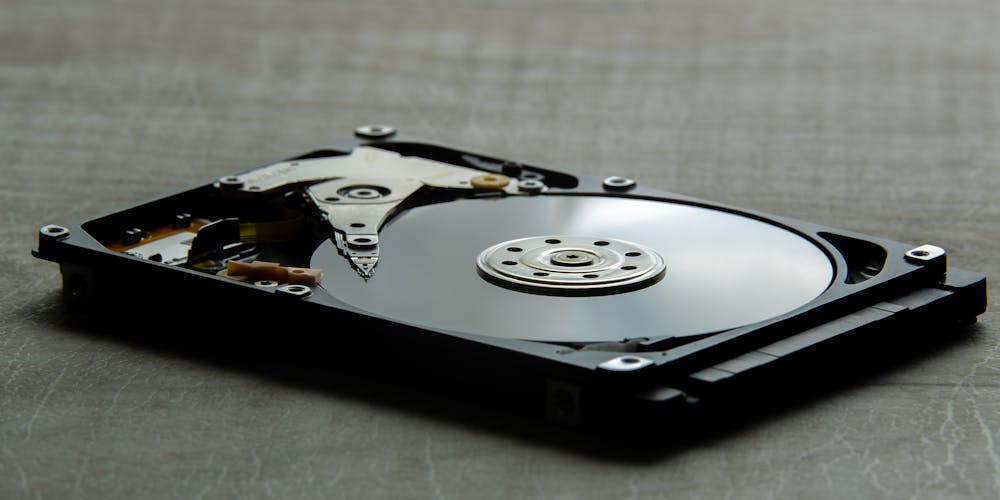
In today’s fast-paced digital age, the immense demand for data storage is growing exponentially, particularly due to the surging advancements in AI technology. Though solid-state drives (SSDs) have become widely favored for their speed, a resurgence in hard disk drive (HDD) technology is on the horizon. This revival is largely attributed to the cost-effectiveness of HDDs, making them an attractive option for extensive data centers that require large-scale, economical storage solutions. Despite SSDs’ advantages, HDDs are not fading into obsolescence. Instead, they are evolving, with new technologies emerging to meet the critical need for affordable, massive storage capacities indispensable for handling the vast data generated in the modern technological landscape. This balance between performance, capacity, and cost means HDDs are likely to remain a cornerstone in the data storage hierarchy, especially where budget constraints are as significant as storage demands.
The Current State of HDDs
The Decline and Persistence of HDDs
The hard disk drive (HDD) sector has experienced a significant downturn due to the rise of solid-state drives (SSDs), which offer superior performance and dependability. HDD shipments have declined precipitously from their zenith in 2010, and they’re projected to plummet to a new low of around 120 million units by the year 2023. Yet, HDDs remain relevant in specific arenas like nearline storage. This is largely because they deliver an economical option for bulk data storage, with a cost-effectiveness that resonates with the needs of extensive data centers. HDDs leverage traditional magnetic recording techniques, which, despite being slower than the technology used in SSDs, provide large capacity storage solutions at a more wallet-friendly price point. This cost advantage ensures that HDDs maintain a foothold in scenarios where the sheer volume of data and cost per terabyte are critical considerations.
An Evolving Market Demanding Capacity
The surge in big data and AI has escalated the need for substantial data storage, as these fields depend heavily on large datasets for training algorithms. Storage capabilities are thus evolving to keep pace, focusing on expanding capacity. With an estimated annual increase in storage requirements of 20%, the emphasis is shifting to high-capacity hard drives (HDDs). These drives are becoming a go-to solution for data centers, offering a cost-effective way to handle the data deluge without incurring extensive construction and maintenance costs. The shift is a strategic move to balance the burgeoning volumes of data with the need to manage them efficiently, ensuring that the data infrastructure is robust enough to support the advanced analytics and machine learning processes that modern technologies necessitate.
The Potential of HAMR Technology
Seagate’s Step Forward with HAMR
Seagate’s groundbreaking heat-assisted magnetic recording (HAMR) technology marks a significant advancement in HDD capacity. Moving beyond earlier recording technologies like perpendicular magnetic recording (PMR), enhanced PMR (ePMR), and Toshiba’s Microwave-Assisted Magnetic Recording (MAS-MAMR), HAMR uses a laser to heat the recording medium. This momentarily reduces the coercivity of the material, permitting much denser data storage. This innovation paves the way for HDDs with unprecedented storage space – we’re looking at drives that could exceed 30 terabytes as early as March 2024. Looking ahead, the technology roadmap suggests a leap to 40TB by 2025, with the promise of reaching or surpassing 50TB not long after, by around 2027-2028. The introduction of HAMR is expected to significantly alter the storage industry by delivering these high-capacity drives, thereby addressing the ever-growing data storage requirements of the modern digital world.
A Market Disruption in the Making
The introduction of HAMR technology may mark a significant juncture in storage solutions, particularly for data-hungry applications such as AI and machine learning. The need for durable, high-capacity, and cost-effective storage is imperative, and HAMR HDDs are well-positioned to meet this need. While SSDs forge ahead with 3D NAND technology and other innovations, they remain more expensive on a per-terabyte basis, making HAMR-equipped HDDs poised to disrupt the market as the go-to choice for data centers looking to expand their storage resources in a sustainable and economical way. By the latter half of the 2020s, the storage industry landscape may be significantly redefined by these technologically advanced HDDs, which promise to offer an efficient storage solution that can keep pace with the burgeoning data needs.