

Introduction to the Galaxy S21 FE Review
In an era where smartphones evolve at a relentless pace, finding a device that balances cost, performance, and longevity is a challenge many consumers face daily, and the Samsung Galaxy S21 FE, launched as a Fan Edition model, promised to deliver flagship-like features at a more accessible price point. However, with its final major software update rolling out, questions arise about its relevance in today’s market. This evaluation aims to determine if the device remains a worthwhile investment for potential buyers seeking value without breaking the bank.
The focus here is on a comprehensive assessment of the phone’s features, performance, and overall value, particularly in the context of its last major update to One UI 8.0 based on Android 16. By examining how the hardware holds up alongside the software’s final iteration, this analysis will provide clarity on the device’s standing. Special attention is given to whether it can still meet modern user needs despite reaching the end of its major OS update cycle.
A critical aspect of this exploration is understanding the implications of limited future software advancements against the backdrop of solid hardware. The goal is to guide buyers in making an informed decision about whether this smartphone aligns with their expectations for functionality and support in the long term.
Overview of the Samsung Galaxy S21 FE
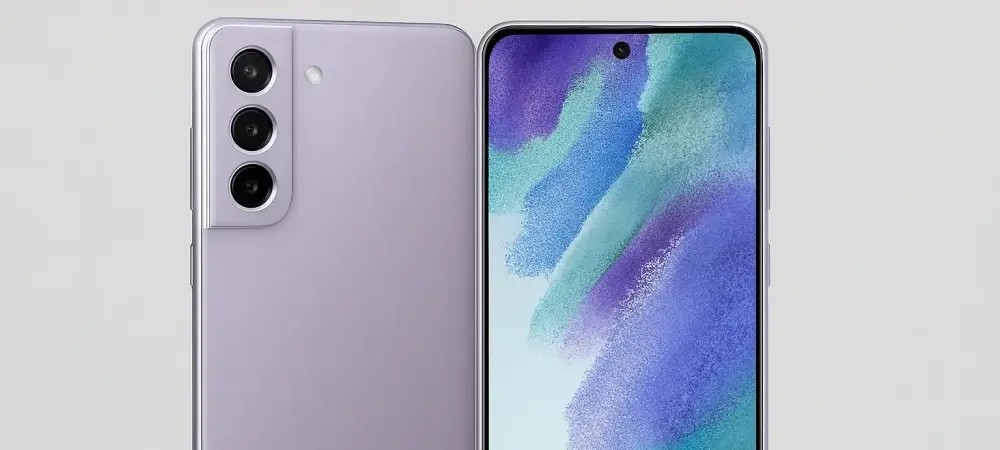
The Galaxy S21 FE, introduced in early 2022, emerged as a compelling option in the mid-range segment by offering near-flagship specifications at a reduced cost. With a sleek design, a vibrant AMOLED display, a capable Snapdragon 888 processor, a versatile triple-camera setup, and a 4500mAh battery, it positioned itself as a device that punches above its price category. Its premium touches, such as wireless charging and IP68 water resistance, further enhanced its appeal to cost-conscious buyers seeking quality.
From a software perspective, the device started with Android 12 and has progressed through subsequent updates, culminating in the Android 16-based One UI 8.0 as its final major OS release. Samsung’s commitment to four years of operating system upgrades and extended security patches has been a standout feature, ensuring that users receive consistent support over an extended period. This dedication to software longevity adds a layer of reliability not always seen in this price bracket.
Among its unique selling points, the Galaxy S21 FE offers a balance of performance and affordability that few competitors can match. The extended security updates, even after major OS upgrades cease, provide reassurance for users concerned about device safety. This combination of hardware prowess and software support makes it a noteworthy contender, even as newer models enter the market.
Performance and Software Experience
When it comes to everyday performance, the Galaxy S21 FE delivers a smooth experience for most tasks, from browsing and streaming to light gaming and multitasking. The Snapdragon 888 chipset, while not the latest, still handles demanding applications with minimal lag, ensuring that casual users and moderate power users find it satisfactory. Battery life remains decent, supporting a full day of typical use, though heavy users might need a mid-day charge.
The recent update to One UI 8.0 introduces several enhancements that refine the user interface, such as updated designs for apps like Samsung Internet and Weather, which now boast more engaging visuals. Additional customization options for the lock screen and Quick Panel, along with improved Modes and Routines functionality, allow for better personalization and automation. These updates ensure that the software feels fresh, even if the device is at the end of its major update cycle.
However, not all features of One UI 8.0 made it to this model, with omissions like AI-driven enhancements and certain camera improvements standing out as notable gaps. The transition to quarterly security updates, as opposed to monthly, also raises concerns about the timeliness of vulnerability patches. While the phone remains secure for now, this shift could impact long-term reliability for users who prioritize staying ahead of potential security threats.
Pros and Cons of the Galaxy S21 FE
One of the primary strengths of the Galaxy S21 FE lies in its robust build quality and vibrant display, which continue to impress despite the device’s age. The versatile camera system performs well in various lighting conditions, making it suitable for casual photography enthusiasts. Samsung’s fulfillment of its promise to deliver four major OS updates further solidifies its appeal for budget-conscious buyers looking for a near-flagship experience without the premium price tag.
On the downside, the cessation of major OS updates means that users will miss out on future software innovations, including cutting-edge features introduced in newer versions of One UI. The absence of some enhancements in the latest update, coupled with less frequent security patches, may deter tech-savvy individuals who prioritize staying current with the latest advancements. This could limit the device’s attractiveness for those who value ongoing software evolution.
Suitability varies depending on user needs; for casual smartphone users who prioritize reliability and core functionality, this device remains a strong choice. However, for tech enthusiasts or those who frequently adopt the newest features, the limitations in software support might be a dealbreaker. Understanding personal priorities is key when considering this model in the current market landscape.
Final Verdict on Software and Hardware Integration
The Galaxy S21 FE presents a mixed bag of enduring hardware capabilities and a software lifecycle that has reached its peak with One UI 8.0. Performance remains adequate for most daily tasks, and the recent update adds a layer of polish to the user experience, even if it lacks some of the latest bells and whistles. The hardware, while not cutting-edge, continues to deliver a satisfactory experience for the price point. Considering its position in 2025, the device holds up as a viable purchase for those seeking a cost-effective smartphone with reliable performance. However, the end of major OS updates means that buyers must weigh the value of solid specs against the reality of limited future software advancements. For many, the extended security patches offer enough reassurance, but the lack of ongoing OS evolution could be a sticking point.
Ultimately, the recommendation hinges on user expectations; the Galaxy S21 FE is still a commendable option for those who value hardware longevity over software freshness. Potential buyers should carefully consider their need for the latest features versus the appeal of a well-rounded device at a competitive price. This balance is crucial in determining if the device fits their lifestyle.
Who Should Buy the Galaxy S21 FE?
In today’s competitive smartphone market, the Galaxy S21 FE carves out a niche for users seeking a dependable, cost-effective device with decent longevity through continued security patches. Its appeal lies in delivering a near-flagship experience at a fraction of the cost, making it an attractive choice for budget-minded individuals who don’t require the very latest software innovations. The hardware remains competent for everyday use, ensuring it meets the needs of many. For potential buyers, this model is ideal for those who prioritize hardware performance and core functionality over cutting-edge software features. Caution is advised for anyone who places high importance on ongoing OS updates or desires the newest enhancements, as the device will not receive further major updates. Evaluating personal usage patterns and expectations for software support is essential before making a decision.
If long-term software support is a priority, exploring newer models with extended update cycles might be a better path. Conversely, for those focused on current performance and budget constraints, the Galaxy S21 FE stands as a practical choice. Moving forward, buyers should consider monitoring Samsung’s discount offers on this model or weigh trade-in options to maximize value, ensuring a purchase that aligns with both immediate needs and future considerations.