

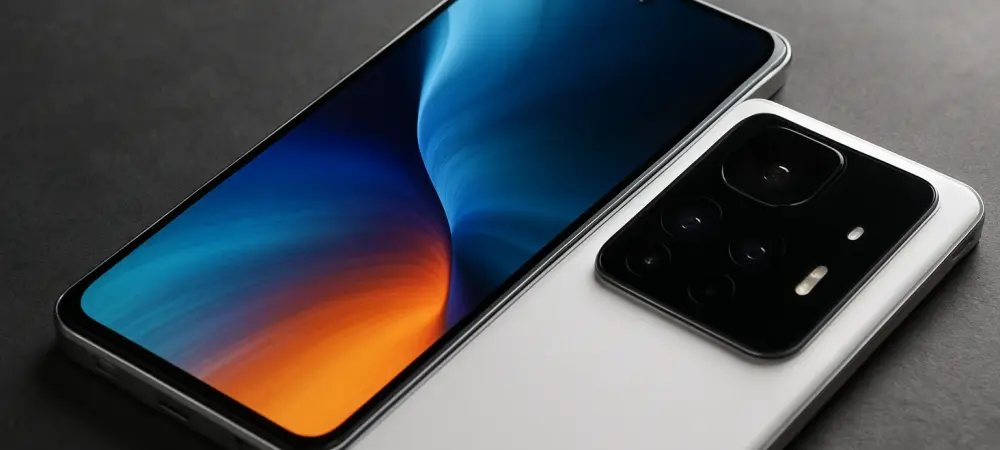
The mid-range smartphone market is often a story of compromise, but the leaked Poco M8 Pro aims to disrupt this trend by combining flagship-level endurance with a peculiarly dated software slate, forcing potential buyers into a difficult decision. This device, rumored to be a rebranded Redmi Note 15 Pro+, enters a crowded field with a clear identity crisis: Is it a performance champion held back by its software, or is its hardware impressive enough to overlook a significant flaw?
Should You Bet on the Leaks
Based on its rumored specifications, the Poco M8 Pro carves out a niche for itself, targeting users who prioritize tangible hardware benefits over software timeliness. The combination of a massive battery, ultra-fast charging, and a premium display at a mid-range price point creates a compelling value proposition on paper. For those who can look past the software situation, it represents a potential powerhouse for media consumption and daily productivity.
However, the decision to invest in this device hinges on a user’s priorities. If receiving the latest security patches and feature drops is paramount, the rumored use of an older Android version could be a deal-breaker. This phone is not for the software purist but rather for the pragmatic user who wants the best possible hardware for their money and is willing to accept a trade-off in the software experience.
What We Know a Look at the Leaked Specs
At its core, the Poco M8 Pro is expected to feature the capable Snapdragon 7s Gen 4 chipset, paired with LPDDR4X RAM and UFS 2.2 storage. While the RAM type and storage speed are not the latest standards, they are serviceable for this market segment. The main attraction is the brilliant 6.83-inch 1.5K AMOLED display, which promises vibrant colors and smooth scrolling thanks to its 120Hz refresh rate.
Beyond the primary components, the device is packed with thoughtful additions that elevate its standing. A robust IP68 rating for dust and water resistance is a rarity at this price, offering peace of mind. Furthermore, connectivity is top-notch with support for Wi-Fi 6E and Bluetooth 5.4, while the inclusion of an IR blaster continues a Poco tradition that many users appreciate for controlling home electronics.
Gauging the Real World Experience
In practical terms, the Snapdragon chipset should provide more than enough power for everyday tasks, social media, and moderate gaming. The experience will likely feel fast and responsive, aided by the high-refresh-rate display. The camera system, featuring a 50MP main sensor, an 8MP ultrawide, and a 32MP selfie camera, appears solid for the price, though the 8MP ultrawide may be a weak link for landscape shots.
Where the M8 Pro is set to truly excel is in endurance. The massive 6,500 mAh battery is class-leading and should easily deliver two days of use for most people. When it does run out, the 100W fast charging promises to get it back to full capacity in a remarkably short time. In contrast, the software experience with HyperOS 2 over a potentially outdated Android 15 is the most significant concern, potentially leading to slower updates and a less refined user interface.
Strengths and Weaknesses at a Glance
The Poco M8 Pro’s primary strengths lie in its exceptional battery life and charging speed, which are set to dominate the mid-range category. This is complemented by a high-quality, fluid display and the durable IP68-rated construction, features often reserved for more expensive flagship phones. These hardware advantages make it a formidable contender for media consumption and heavy usage.
On the other side of the coin, its weaknesses are just as pronounced. The most glaring issue is the software, which is rumored to be a generation behind at launch, raising concerns about long-term support and security. Additionally, the use of slower UFS 2.2 storage could create minor bottlenecks compared to competitors, and the underwhelming 8MP ultrawide camera feels like an afterthought in an otherwise promising package.
The Final Takeaway
The Poco M8 Pro presented a fascinating mix of cutting-edge hardware and questionable software choices. The device successfully delivered on its promise of incredible battery performance and a premium viewing experience, making it stand out in a saturated market. Its robust build and fast charging further cemented its position as a hardware-first champion.
However, the decision to launch with older software overshadowed these achievements, creating a significant caveat for any recommendation. This single choice complicates what could have been an easy win for the brand. Ultimately, the Poco M8 Pro stands as a conditional “buy,” a device whose exceptional strengths are unfortunately tied to an undeniable weakness.
Who Is This Phone For
This phone is built for the user who prioritizes power and longevity above all else. If your primary concerns are getting through multiple days on a single charge, minimizing downtime with rapid charging, and enjoying content on a beautiful screen, the Poco M8 Pro is an excellent choice. It is for the mobile gamer, the streaming enthusiast, and the power user who wants flagship-level endurance without the flagship price.
Potential buyers must, however, be willing to overlook the software situation. If you are not concerned with having the very latest Android version the moment it is released and can live with the HyperOS skin, then the hardware package offers tremendous value. Before purchasing, consider whether the trade-off of top-tier battery life for a less-than-current operating system is a compromise you are willing to make.