

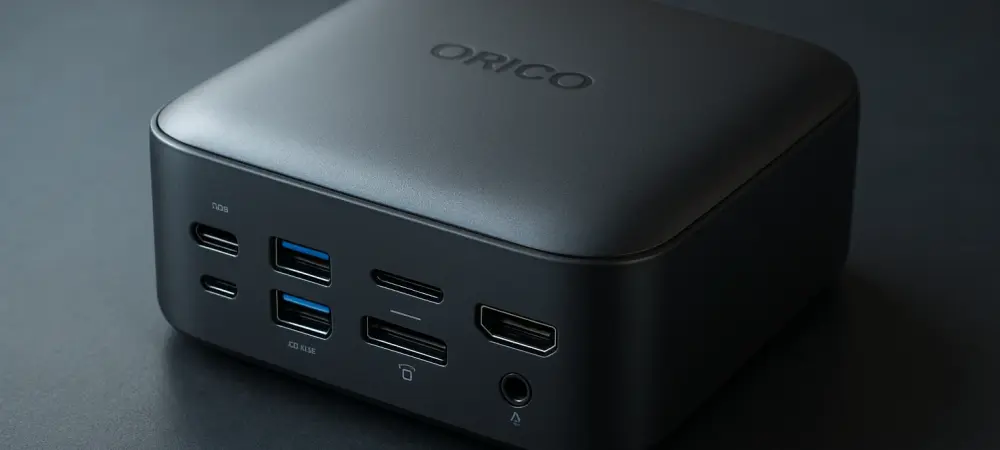
Introduction to a Compact Powerhouse
In a world where desk space is often at a premium and aesthetic appeal matters just as much as performance, finding a mini PC that balances style, power, and affordability can be a daunting task. Enter a device from ORICO, a Chinese manufacturer, that dares to emulate the iconic design of a well-known tech giant while packing modern hardware into a tiny footprint. This review aims to dissect whether this compact machine is a worthy investment for users seeking a blend of eye-catching design and reliable functionality without breaking the bank. The focus lies in evaluating how it caters to budget-conscious buyers who crave both performance for everyday tasks and a visually striking addition to their workspace.
The purpose of this deep dive is to explore if this mini PC can truly deliver on its promises of merging premium aesthetics with practical computing power. Many users today are on the hunt for systems that not only perform well but also elevate the look of their home offices or small setups. This analysis will assess whether this device stands up to the challenge, offering a compelling alternative for those who admire high-end design but prefer a more accessible price point.
Overview of Design and Hardware
This mini PC draws immediate attention with its silver aluminum alloy chassis, heavily inspired by the “Cheese-Grater” look of the 2019 Apple Mac Pro. Its perforated front panel ensures ventilation, while carrying handles and distinctive feet add to the familiar yet striking aesthetic. Measuring a mere 139 x 61 x 185 mm, the compact design is enhanced by advanced manufacturing techniques such as CNC machining, fine sandblasting, and anodizing, resulting in a premium feel that belies its price tag. This meticulous craftsmanship makes it a standout piece for anyone valuing form alongside function.
Under the hood, the device is powered by the AMD Ryzen 7 8845HS processor, a Zen 4-based APU with 8 cores and 16 threads, boasting clock speeds between 3.8 and 5.1 GHz. Accompanying this is the integrated Radeon 780M graphics built on RDNA 3 architecture, suitable for routine tasks and even light gaming at modest settings. A 120W gallium nitride power supply drives the system, proving efficient for a setup without a dedicated GPU, ensuring energy-conscious operation in a small form factor.
Connectivity is another strong suit, with features like WiFi 6, Bluetooth 5.2, dual 2.5G LAN ports, and dual USB4 Type-C ports meeting modern demands for speed and versatility. Customization options further enhance appeal, offering a barebones configuration alongside choices for storage with 1 TB or 2 TB M.2 PCIe 4.0 SSDs and memory up to 32 GB of DDR5 at 5600 MT/s. Such flexibility allows users to tailor the system to specific needs, whether for basic productivity or more demanding workloads.
Performance Analysis for Real-World Use
When it comes to performance, the AMD Ryzen 7 8845HS delivers a commendable showing for a mini PC in this category. It handles everyday tasks such as web browsing, document editing, and media streaming with ease, while also supporting light multitasking without noticeable lag. For casual gamers, the integrated Radeon 780M graphics can manage older titles or less demanding games at low to medium settings, though it’s not suited for the latest AAA releases.
The 120W power supply proves adequate for the system’s needs, maintaining stability during prolonged use without the added bulk of a dedicated graphics card. Connectivity shines in practical scenarios, with WiFi 6 ensuring fast and reliable internet access, while Bluetooth 5.2 seamlessly pairs with peripherals like headphones or speakers. The dual USB4 Type-C ports offer high-speed data transfer, making file sharing or external device integration a breeze, which is ideal for users in dynamic, tech-heavy environments.
Testing the system in real-world contexts, such as content creation or managing multiple browser tabs alongside productivity apps, reveals its capability as a compact workhorse. It handles light video editing and photo processing reasonably well, though rendering times may stretch under heavier loads. For small business owners or remote workers needing robust networking through dual 2.5G LAN ports, this device offers practical solutions in a space-saving package, proving its worth beyond mere looks.
Strengths and Weaknesses in Focus
One of the standout strengths of this mini PC is its iconic design, which mimics a high-end aesthetic at a fraction of the cost, making it an attractive centerpiece for any desk setup. The performance, while not groundbreaking, remains solid for general use, covering a wide array of daily computing needs with ease. Additionally, the extensive connectivity options and customizable configurations provide versatility, appealing to a broad range of users from students to professionals on a budget.
On the downside, the Ryzen 7 8845HS, though competent, falls short when compared to newer Zen 5 processors, potentially limiting future-proofing for tech-savvy buyers. Graphical capabilities are also constrained, rendering it unsuitable for intensive gaming or professional rendering tasks that demand dedicated GPUs. These limitations suggest that while the device excels in style and basic functionality, it may not satisfy users with high-performance expectations.
Ultimately, this mini PC caters best to those who prioritize a blend of aesthetics and practicality over raw power. It fits well in environments where space is limited, and the need for a visually appealing yet functional system takes precedence. Buyers with specialized demands for top-tier hardware might need to look elsewhere, but for the target audience, the balance struck here is noteworthy.
Final Verdict on Value and Appeal
Summarizing the evaluation, this mini PC emerges as a compelling option that fuses striking design with adequate performance and an affordable price point. With a pre-sale cost of US$379 for the barebones model, it undercuts many competitors while offering a premium look and customizable specs. The official sales kickoff on November 30, coupled with discounted pre-order availability, adds further incentive for early adopters looking to snag a deal. The recommendation stands clear: this device is an excellent choice for users in search of a compact, stylish mini PC tailored for general use and lighter workloads. It serves as a practical solution for home offices or secondary systems where aesthetics matter as much as utility. For those within this niche, the value proposition is hard to overlook, making it a smart pick at a competitive price.
Target Audience and Considerations
This mini PC carves out a unique space for tech enthusiasts and casual users who are drawn to Apple’s design language but prefer the cost-effectiveness and AMD hardware of an alternative. It appeals particularly to individuals setting up small workspaces or seeking a secondary machine that doesn’t compromise on style. The blend of recognizable aesthetics with accessible technology positions it as a niche yet desirable product for a specific demographic.
For potential buyers, this device proves ideal for home office setups or environments where desk real estate is limited, offering a functional yet visually pleasing solution. Moving forward, considering the intended use case—be it basic productivity, media consumption, or light creative work—remains crucial before committing. Customization options should also be weighed to match performance needs, especially since integrated graphics may not suffice for all tasks. As a next step, taking advantage of the limited-time pre-sale discount can maximize savings for those ready to invest early. Reflecting on the evaluation, buyers are advised to assess whether their workloads align with the system’s capabilities, ensuring a fit for purpose. Looking ahead, keeping an eye on future updates or iterations from ORICO could provide even more tailored options for evolving user demands in compact computing.